If you want tighter, smoother, more youthful-looking skin, but you’re not ready for surgery, Morpheus8 may be the upgrade your skincare routine has been missing.
Morpheus8 is an advanced radiofrequency (RF) microneedling treatment that stimulates collagen production deep within the skin to tighten, smooth, and remodel tissue. Unlike traditional microneedling, Morpheus8 penetrates multiple layers of the skin and subdermal tissue for more dramatic and longer-lasting improvement.
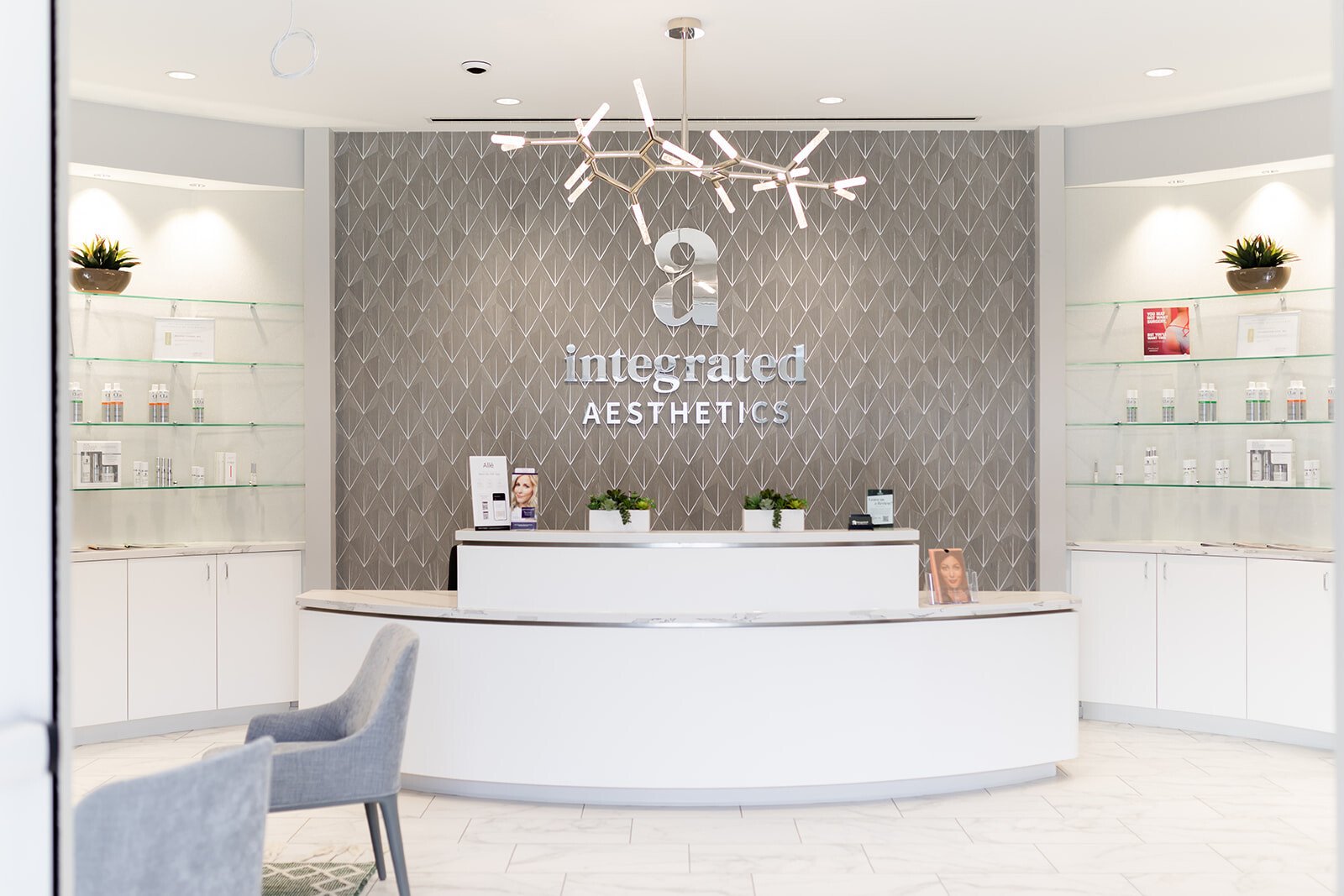
At Integrated Aesthetics in Spring, TX, we customize Morpheus8 treatments to address skin laxity, wrinkles, acne scarring, and uneven texture, all with minimal recovery time.
What Is Morpheus8 and How Does It Work?
Morpheus8 combines:
- Microneedling – Creates controlled micro-injuries to trigger collagen production
- Radiofrequency energy (RF) – Delivers heat beneath the surface to remodel and tighten tissue
This dual-action technology stimulates collagen and elastin at deeper levels than traditional microneedling alone. The treatment can be adjusted in depth and intensity depending on your skin type, concerns, and goals.
Because it works below the surface, Morpheus8 is especially effective for tightening loose skin and improving structural support.
What Does Morpheus8 Treat?
Morpheus8 is designed to remodel and contour the skin from the inside out. It’s especially effective for:
- Fine lines and wrinkles
- Mild to moderate skin laxity
- Jowling and jawline definition
- Crepey under-eye skin
- Acne scars
- Enlarged pores
- Uneven skin tone and texture
Morpheus8 can be used on the face, neck, jawline, and even body areas with mild laxity.
Morpheus8 Downtime: What to Expect
One of the biggest advantages of Morpheus8 is that it delivers noticeable tightening and resurfacing without extended recovery time.
Most patients experience:
- Redness for 1–3 days
- Mild swelling
- Small grid-like marks for a few days
- Temporary skin roughness as collagen rebuilds
Makeup is typically safe after 24–48 hours. Sun protection is essential, especially in places like Texas, where UV exposure is high year-round.
Many patients return to work within 1–2 days.
Is Morpheus8 Safe for All Skin Types?
Morpheus8 is considered safe for most skin tones, including darker complexions, because it delivers energy below the surface rather than aggressively resurfacing the top layer.
However, proper settings and technique are critical to reduce the risk of post-inflammatory hyperpigmentation. Choosing an experienced aesthetic provider in Spring, TX ensures safe and optimized results.
Who Is a Good Candidate for Morpheus8?
You may be a strong candidate if you:
- Want non-surgical skin tightening
- Are noticing early sagging or jowling
- Want to improve acne scars or texture
- Are not ready for a facelift
- Want to enhance or maintain results from dermal fillers
- Prefer natural-looking, gradual improvement
Morpheus8 is often part of a comprehensive anti-aging treatment plan.
How Many Morpheus8 Treatments Do You Need?
Most patients require a series of 3 treatments spaced 4 to 6 weeks apart for optimal results.
Collagen remodeling continues for up to 3 months after each session, meaning results improve over time.
Maintenance treatments may be recommended annually, depending on aging patterns and goals.
Does Morpheus8 Hurt?
Patients typically describe the sensation as moderate but tolerable. A topical numbing cream is applied before treatment. Some providers also offer nitrous oxide (“laughing gas”) for additional comfort.
The treatment is brief, and discomfort resolves quickly.
Why Choose Morpheus8 Instead of Surgery?
Morpheus8 is ideal for patients who:
- Want tightening without scars
- Cannot commit to surgical downtime
- Prefer gradual, natural-looking improvement
- Want preventative anti-aging treatment
While it does not replace a facelift for advanced laxity, it is a powerful option for early to moderate skin aging.
Morpheus8 Frequently Asked Questions
How long do Morpheus8 results last?
Results typically last 12–18 months, depending on your age, skin quality, and lifestyle factors. Because Morpheus8 stimulates your body’s natural collagen production, improvements continue for several months after treatment. Annual maintenance sessions are often recommended to preserve results.
Is Morpheus8 better than traditional microneedling?
Yes. Traditional microneedling improves surface texture by creating controlled micro-injuries in the skin. Morpheus8 combines microneedling with radiofrequency energy, allowing it to reach deeper layers of tissue. This makes it significantly more effective for tightening loose skin and improving moderate laxity.
How much does Morpheus8 cost in Spring, TX?
Pricing varies based on the treatment area and number of sessions needed. Because every patient’s skin and goals are different, a consultation at Integrated Aesthetics in Spring, TX, is required to determine a customized treatment plan and pricing.
How many Morpheus8 treatments will I need?
Most patients benefit from a series of three treatments spaced 4–6 weeks apart. Patients with more advanced skin laxity or acne scarring may require additional sessions. Your provider will create a plan tailored to your skin condition and goals.
When will I see results from Morpheus8?
Some patients notice smoother, tighter skin within a few weeks. However, collagen remodeling continues for up to three months after each treatment, meaning results gradually improve over time.
Ready to Schedule Your Morpheus8 Consultation?
If you’re looking for Morpheus8 near The Woodlands or Spring, TX, our team at Integrated Aesthetics creates customized treatment plans based on your skin condition and long-term goals.
We focus on:
- Conservative, natural-looking results
- Strategic collagen stimulation
- Long-term skin health
Ready to tighten, smooth, and strengthen your skin without surgery? Schedule a consultation with one of our expert providers today to see if Morpheus8 is right for you.
If you’re searching for a powerful skin resurfacing treatment that improves wrinkles, sun damage, and uneven texture, a medium-depth chemical peel may be the solution.
Unlike superficial peels that simply exfoliate, a medium-depth peel stimulates collagen production and corrects deeper skin damage, delivering dramatic, long-term rejuvenation.
At Integrated Aesthetics, Dr. Melissa Chiang offers the advanced Solid CO2 (dry ice) + TCA 35% chemical peel, a physician-performed treatment designed to visibly improve aging and sun-damaged skin.
What Is a Medium-Depth Chemical Peel?
A medium-depth chemical peel removes the entire outer layer of skin (epidermis) and penetrates the upper dermis (papillary dermis).
This controlled injury triggers the body’s natural wound-healing response, which stimulates:
- New collagen production
- Smoother skin texture
- Reduction in fine lines and wrinkles
- Improvement in brown spots and pigmentation
- Minimized pore size
- Brighter, more even skin tone
This type of peel is often recommended for patients with moderate to significant sun damage or visible signs of aging.
What Makes the Solid CO2 + TCA 35% Peel Different?
The CO2 + TCA 35% peel is a two-step medium-depth resurfacing treatment that enhances penetration and results.
Step 1: Solid CO2 (Dry Ice Application)
The skin is treated with solid carbon dioxide, which temporarily disrupts the epidermal barrier. This allows for more uniform penetration of the chemical solution.
Step 2: 35% TCA Application
Trichloroacetic acid (TCA) at 35% concentration is applied in layers until a white “frost” appears. This frost indicates proper dermal penetration.
The deeper the frost, the stronger the collagen-stimulating effect.
This method provides more predictable and effective results compared to superficial chemical peels.
Below is a recent Instagram post highlighting the Dry Ice + TCA 35% medium-depth chemical peel, including how the treatment works and why it’s safe when performed by an experienced provider. It offers a closer look at the technique and the science behind this powerful resurfacing treatment.
View Post HereWhat Does a Medium-Depth Chemical Peel Improve?
A TCA 35% peel is commonly used to treat:
- Sun damage
- Fine lines and deeper wrinkles
- Uneven skin texture
- Enlarged pores
- Hyperpigmentation and brown spots
- Acne scarring (mild to moderate)
- Dull, crepey skin
Patients seeking meaningful skin rejuvenation, not just a temporary glow, often choose this treatment.
Medium-Depth Chemical Peel Recovery Timeline
Understanding downtime is essential before scheduling your peel.
Days 1–3
Redness, swelling, and inflammation develop as the top layer of skin begins to separate.
Days 4–7
Peeling typically begins around the mouth. The damaged outer layer sloughs away to reveal fresh new skin underneath.
Around Day 10
Healing is typically complete. Normal skincare routines, including active ingredients like tretinoin, can resume.
30 Days
Visible collagen remodeling begins.
90 Days
An organized band of new collagen forms in the dermis. Skin appears firmer, smoother, and more youthful.
Collagen production continues for several months following treatment.
Who is a Good Candidate for a TCA 35% Peel?
Ideal candidates for a medium-depth chemical peel include:
- Patients with moderate to severe sun damage
- Fair to medium skin tones
- Individuals who can commit to 7–10 days of downtime
- Patients who are willing to follow strict post-treatment sun protection
Because deeper peels can increase the risk of pigment changes, darker skin types require careful evaluation by an experienced provider.
Why Physician Expertise Matters
A medium-depth chemical peel is not a spa treatment; it is a controlled medical procedure.
Proper patient selection, depth control, and aftercare management are critical for both safety and results. This is why medium-depth peels should be performed by a board-certified dermatologist or plastic surgeon with advanced knowledge of skin anatomy and chemical peel techniques.
Schedule Your Medium-Depth Chemical Peel Consultation
If you’re ready to improve sun damage, wrinkles, and uneven skin texture with a powerful collagen stimulation treatment, a CO2 + TCA 35% medium-depth chemical peel may be right for you.
Schedule your consultation at Integrated Aesthetics with Dr. Melissa Chiang to determine if this advanced skin resurfacing treatment fits your goals.
Real correction. Real collagen. Real results.
If you’re searching for Sofwave treatments near Spring or The Woodlands, TX, you’re likely looking for real skin tightening results, without surgery, needles, or downtime. Sofwave is one of the most advanced non-invasive skin tightening treatments available today, and it’s quickly becoming a go-to option for patients who want visible lifting with minimal disruption.
At Integrated Aesthetics, we’re proud to be one of the few providers offering Sofwave in the Spring and Woodlands area, giving patients access to this next-generation technology close to home.
Why Is Everyone Talking About Sofwave?
Sofwave isn’t just popular with patients; it’s also a celebrity favorite. According to NewBeauty, Kim and Khloé Kardashian have openly shared their love for Sofwave thanks to its ability to lift, tighten, and refresh the skin without surgery or downtime. That kind of endorsement has put Sofwave firmly on the map as a serious, results-driven treatment.
Reference: https://sofwave.com/blog/newbeauty-reports-kim-and-khloe-kardashian-are-obsessed-with-this-skin-tightening-treatment-heres-why
How Does Sofwave Work?
Sofwave delivers synchronous ultrasound parallel beam technology (SUPERB™) to heat the skin at a controlled depth. This thermal stimulation triggers new collagen formation, leading to firmer, smoother, more lifted skin over time.
To keep treatments comfortable, Sofwave includes an integrated cooling system called Sofcool™, which protects and cools the outer layer of skin throughout the procedure.
The result: effective tightening with minimal discomfort and no downtime.
What Areas Can Sofwave Treat?
Sofwave is a versatile, FDA-cleared treatment designed to improve skin laxity, texture, and firmness on both the face and body, all without surgery or needles.
FDA-Cleared Treatment Areas & Concerns
Face & Neck
- Fine lines and wrinkles
- Brows & forehead (brow lifting)
- Midface & jawline definition
- Submental area (under the chin)
- Neck laxity
- Acne scars
Body
- Upper arms (improving the appearance of loose or crepey skin)
- Cellulite (short-term improvement)
By targeting the underlying causes of skin aging, collagen loss, and tissue laxity, Sofwave delivers natural-looking lifting and tightening across multiple areas of concern.
Benefits of Sofwave Treatment
Patients love Sofwave because it delivers real results, without the drawbacks of more invasive procedures.
Key benefits include:
- No surgery. No needles.
- Minimal discomfort with integrated cooling technology
- Safe and effective for all skin types and skin tones
- No downtime, you can return to normal activities right away
- Quick treatments, often taking just 30-60 minutes
- Most patients only need one treatment for noticeable improvement
Unlike some skin tightening devices that carry higher risks for darker skin tones, Sofwave is designed to be safe across all complexions, making it an inclusive option for a wide range of patients.
What Results Can You Expect?
Results from Sofwave develop gradually as your body produces new collagen. Many patients begin to notice improvement within a few weeks, with continued tightening and lifting over the next 3 to 6 months.
The outcome is not an overdone or artificial look; just firmer, smoother, more youthful skin that still looks like you.
Why Choose Integrated Aesthetics for Sofwave in Spring & The Woodlands?
Sofwave is highly technique-driven, meaning results depend heavily on proper assessment and treatment planning. At Integrated Aesthetics, treatments are customized based on your anatomy, skin quality, and goals.
As one of the few Sofwave providers in the Spring and Woodlands, TX area, we offer:
- Experienced, medically guided treatments
- Personalized treatment plans
- Honest recommendations based on your goals
Ready to Try Sofwave?
If you’re searching for a non-surgical skin tightening treatment near Spring or The Woodlands, Sofwave may be exactly what you’ve been looking for.
Schedule a consultation at Integrated Aesthetics to find out if Sofwave is right for you and experience why patients (and celebrities) are obsessed with this next-level skin tightening treatment.
Most new moms have heard of a “mommy makeover”, tummy tucks, breast lifts, and body contouring after pregnancy. But what about your hair? Postpartum hair loss is one of the most common and emotionally challenging changes new moms experience after giving birth.
At Integrated Aesthetics, we’re excited to introduce GetHairMD solutions, bringing a different kind of mommy makeover to help women restore fuller, healthier hair while supporting natural regrowth.
What Is Postpartum Hair Loss?
Postpartum hair loss, or telogen effluvium, is temporary shedding that occurs 2 to 6 months after delivery. During pregnancy, high estrogen levels keep more hair in the growth phase. After birth, the sudden drop in hormones triggers many hairs to enter the shedding phase.
While hair typically naturally regrows within a year, many women seek supportive solutions to shorten the shedding period and improve hair density, similar to what they would with a traditional mommy makeover for their body.
Why It Happens
Postpartum hair loss occurs due to natural changes in the hair growth cycle after pregnancy. Several factors can contribute, including:
- Hormonal shifts: Estrogen levels drop after delivery, triggering more hair follicles to enter the resting phase.
- Nutrient depletion: Iron, vitamin D, and B vitamins may be lower after pregnancy.
- Stress and lifestyle changes: Sleep deprivation and postpartum stress can disrupt normal hair cycling.
- Mechanical damage: Tight hairstyles, frequent heat styling, or chemical treatments can increase breakage.
These changes are considered a normal physiological response after pregnancy and are well documented in medical literature, including guidance from the Cleveland Clinic.¹
Source:
¹ Cleveland Clinic. Postpartum Hair Loss.
https://my.clevelandclinic.org/health/diseases/23297-postpartum-hair-loss
Traditional Supportive Measures
Typically, for postpartum hair loss, there are traditional recommendations for hair restoration, which include:
- Gentle hair care and minimized heat/chemical styling
- Balanced diet and continue taking prenatal vitamins
- Scalp massage to stimulate circulation
- Patience – hair naturally regrows over time
A Different Kind of Mommy Makeover: GetHairMD Solutions
At Integrated Aesthetics, we’re proud to offer GetHairMD, a cutting-edge hair restoration system designed to support postpartum hair regrowth. Think of it as the hair-focused extension of your mommy makeover.
Low-Level Light Therapy (LLLT)
- Red and orange wavelengths stimulate follicles and improve scalp circulation.
- Encourages dormant follicles to re-enter the growth phase.
- Supports healthier, thicker hair while hormones stabilize.
Reference: https://www.integratedaesthetics.com/blog/red-light-therapy-for-hair-loss-what-it-really-does-who-it-helps-and-what-to-expect/
Haircare Products
- Shampoos, conditioners, and serums designed to optimize the scalp environment for regrowth
- Compliments in-office and at-home therapies
How GetHairMD Fits Into Postpartum Recovery
While traditional mommy makeovers focus on body and facial aesthetics, hair restoration addresses another crucial aspect of self-confidence for new moms. By combining innovative technology, personalized clinical guidance, and supportive haircare, GetHairMD helps women feel whole and revitalized from head to toe.
What to Expect from GetHairMD
- Visible improvements can appear in weeks to months with consistent use.
- Initial shedding may occur as follicles transition into the growth phase.
- Best results occur when paired with healthy hair practices and nutrition.
- This approach is non-invasive, low-risk, and can be seamlessly integrated into your postpartum self-care routine.
A New Kind of Mommy Makeover: Hair, Confidence, and You
Hair shedding after pregnancy is a natural part of the postpartum journey, but that doesn’t mean you have to wait for regrowth without intervention. At Integrated Aesthetics, we offer a comprehensive approach to hair restoration, combining advanced solutions like GetHairMD, surgical and non-surgical solutions, expert clinical guidance, and supportive haircare to help new moms restore confidence from head to toe.
With our personalized treatment plans, you can experience a different kind of mommy makeover. One that not only enhances your body but also revitalizes your hair and self-esteem.
Take the first step toward your postpartum hair transformation today. Schedule a consultation at Integrated Aesthetics and discover how our hair restoration solutions can help you feel whole, confident, and revitalized.
Hair changes are a natural part of aging; however, thinning, shedding, or hair loss doesn’t have to be something you simply live with. Today, advancements in non-surgical hair restoration have made it possible to address hair concerns earlier and more effectively. One of the most well-studied options is red light therapy, also known as low-level laser therapy (LLLT), a gentle, science-backed approach designed to support healthier hair growth in both men and women.
As Integrated Aesthetics prepares to introduce GetHairMD, we’re answering the most common questions patients ask about LLLT, so you can better understand how it works, what to expect, and whether it may be right for you.
Does Red Light Therapy Work for Hair Loss?
For many individuals, yes, when it’s used appropriately and for the right type of hair loss.
Red light therapy delivers specific wavelengths of light to the scalp, helping to stimulate hair follicles that have slowed due to age or genetics. This light energy supports:
- Improved circulation to the scalp
- Healthier follicle function
- A longer growth phase for existing hair
Rather than creating new hair follicles, red light therapy helps preserve and strengthen the hair you still have, which is often the primary goal for patients.
How Long Does It Take to See Results from Red Light Therapy?
Hair restoration requires patience, and that’s especially true as we age.
Most patients notice:
- Within 2–3 months: Reduced shedding and improved scalp comfort
- Around 4 months: Early signs of thicker, more resilient hair
- 6 months and beyond: Gradual improvements in fullness and density
Results are subtle at first and build over time. Consistency and realistic expectations are key.
How Often Should You Use Red Light Therapy for Hair Growth?
Most clinical protocols recommend:
- 3 to 4 treatments per week
- 10–30 minutes per session, depending on the system used
This schedule strikes a balance of effectiveness and ease of use, making it practical for long-term maintenance, which is an important consideration for patients focused on lasting results rather than quick fixes.
Is Red Light Therapy Safe for Hair Loss?
Yes. Red light therapy is safe and FDA-cleared for the treatment of hair loss. It is a non-invasive, drug-free option that is comfortable and well-tolerated, with no hormonal side effects. This makes it an appealing choice for patients who want to avoid oral medications, invasive procedures, or who are navigating other health considerations.
Can You Combine Red Light Therapy with Minoxidil?
In many cases, combining treatments offers the most reliable results.
Minoxidil works by improving blood flow and supporting the hair growth cycle, while red light therapy enhances follicle health at the cellular level. Together, they can complement each other, and when guided by a qualified provider who can tailor the plan to your scalp, hair type, and goals.
Do Laser Caps Really Work for Hair Growth?
Laser caps can be effective when they meet clinical standards and are used correctly.
Not all devices on the market deliver the same quality or consistency. Medical-grade laser systems, especially those integrated into structured programs like GetHairMD, are designed to provide:
- Proper wavelengths
- Adequate coverage
- Reliable treatment schedules
This reduces guesswork and improves the likelihood of meaningful results.
Does Red Light Therapy Work for Male or Female Pattern Hair Loss?
Yes. Red light therapy has strong evidence for:
- Male pattern hair loss: A genetically influenced form of hair loss driven by sensitivity to DHT. It typically appears as a receding hairline and thinning at the crown, progressing gradually over time.
- Female pattern thinning: A form of hair loss in women marked by gradual thinning across the crown and top of the scalp, often with the hairline remaining intact. It leads to reduced hair density and overall volume rather than complete baldness.
These are the most common types of hair loss seen in patients. Results vary depending on how advanced the hair loss is, which is why early evaluation and individualized treatment planning matter.
A Thoughtful Approach to Hair Health
Red light therapy isn’t about chasing trends or expecting overnight transformations. It’s about supporting long-term hair health, slowing progressive loss, and preserving the hair you have.
At Integrated Aesthetics, the upcoming GetHairMD program was designed with this exact approach in mind: medically guided care, realistic expectations, and personalized solutions that support your hair goals now and well into the future. If you’re ready to take a proactive step toward healthier hair, schedule a consultation with our team to learn whether red light therapy and GetHairMD are right for you.
Appearance isn’t vanity; it’s a part of how you present yourself in the world. Hair thinning can quietly impact confidence long before it becomes obvious to others, often affecting how you feel day to day.
Hair loss is common at many stages of adulthood, but it’s also one of the most treatable concerns, especially when it’s addressed early. The key to recognizing the signs before hair loss becomes permanent.
Below are the most common indicators that it may be time to consider professional hair restoration options.
Your Hair Looks Normal—But Feels Different
If your hair feels thinner, softer, less resilient, or harder to style, you may be experiencing miniturization. This is where your hair follicles shrink and produce finer strands over time. This often comes before visible hair loss by months or even years.
This subtle shift is typically one of the first red flags that hair loss is beginning.
You’re Seeing More Scalp Than You Used To
A widening part, visible crown, or scalp showing through under office lighting or video calls can signal pattern hair thinning. This is especially common in women and men in midlife and rarely reverses without some kind of intervention.
If you’re adjusting hairstyles to camouflage thinning, it’s likely time for a medical-grade solution, not just another styling product.
Increased Shedding That Doesn’t Resolve
Noticing excessive hair in the shower, on your pillow, or during grooming for several months can indicate:
- Hormonal shifts
- Stress-related hair loss
- Nutritional depletion
- Metabolic or weight changes
Chronic stress and rapid lifestyle shifts can accelerate shedding, and waiting can allow more follicles to transition to dormancy (when a hair follicle stops actively producing hair but remains alive beneath the scalp).
Hair Loss After Weight Loss or Medical Changes
Significant weight loss, illness, or medication changes (including GLP-1 therapies like semaglutide or tirzepatide) can trigger telogen effluvium, a condition where hair sheds in response to systemic stress.
While some cases are temporary, many individuals notice their hair never fully returns to its original density without targeted hair restoration.
Noticeable Changes in Your Hairline or Temples
Gradual recession at the hairline or thinning at the temples is common and progressive. Once follicles stop producing hair entirely, non-surgical treatments become less effective, and you will most likely need to explore surgical hair restoration options such as hair transplantation.
In these cases, early intervention with solutions like GetHairMD allows for discreet, preventative treatments rather than corrective ones later.
Hair Isn’t Growing Back the Same
If you notice that your hair regrowth appears:
- Finer
- Slower
- Weaker
- Less pigmented
These can all be indicators of declining hair follicle health. At this stage, restorative treatments can strengthen existing and preserve density, often avoiding the need for more invasive procedures.
You’re Spending Time (and Money) Managing the Problem
Many people notice hair loss, and they begin:
- Scheduling more frequent hair appointments
- Using volumizing fibers or concealer hair products
- Avoiding certain hairstyles or angles in photos
When maintenance becomes a workaround rather than a real solution, hair restoration offers a more efficient and long-term approach.
You Have a Family History of Hair Loss
Genetics is inevitable and plays a significant role in hair loss. If close family members experienced thinning or balding, changes you notice now are unlikely to stabilize on their own.
The most successful hair restoration outcomes occur when treatment starts before visible baldness develops.
Why Early Hair Loss Intervention Matters
Those who are considering hair restoration often value:
- Discreet treatments with minimal downtime
- Evidence-based solutions, not over-the-counter promises
- Efficient and customizable treatment plans
- Natural, undetectable results
Modern hair restoration, both non-surgical and surgical, can be tailored to fit demanding schedules while delivering meaningful, long-term improvement.
Non-Surgical vs. Surgical Hair Restoration: Knowing Your Options
Depending on the cause and severity of hair loss, treatment may include:
- Non-surgical therapies such as platelet-derived therapies (e.g., PRP/PRF), regenerative treatments (e.g., exosomes), and medical-grade topicals
- Surgical hair restoration for advanced or permanent loss
When weighing out your options, this is where a professional evaluation determines which approach preserves existing hair, restores density, and aligns with your goals.
A More Informed Way to Treat Hair Loss
If you’re noticing changes in your hair, and especially if those changes affect confidence or self-image, the best time to act is now.
Hair restoration is not about chasing youth. It’s about maintaining confidence, self-image, and a sense of control as your appearance changes.
A personalized consultation can help determine whether early intervention, non-surgical restoration, or surgical options are right for you, before hair loss becomes more difficult to reverse.
If you’re ready to explore the next steps, Integrated Aesthetics offers a full spectrum of hair restoration solutions—from medical-grade programs like GetHairMD to advanced non-surgical and surgical options. Scheduling a personalized consultation helps identify the cause of hair loss and determine the most effective treatment plan to restore hair health, density, and confidence.