Board-Certified Plastic Surgeon & Facial Rejuvenation Specialist at Integrated Aesthetics | Highly recognized expert in advanced surgical and non-surgical facial aesthetics, custom male blepharoplasty, and complex facial rejuvenation in the North Houston area.
Published: August 5, 2026 | Updated: August 5, 2026
Procedure at a Glance
Clinical Metric
Patient Case Specifications
Patient Profile
52-Year-Old Male | Resident from The Woodlands / Spring, TX Area
Primary Concerns
Advanced skin laxity and structural aging signs around the eyes. Notable hooding of the upper eyelids and prominent fat herniation/loose skin across the lower lids, causing a chronically fatigued appearance.
Precision upper eyelid skin excision combined with lower eyelid fat management and muscle tightening to address structural laxity while preserving a distinct, masculine contour.
Anatomical Zones Treated
Upper and lower eyelids bilaterally (all four quadrants).
Downtime / Recovery
7 to 10 days for initial swelling and bruising to subside; return to light daily activities and remote work within one week.
Result Timeline
Initial structural improvements visible immediately; stable, refined, and completely natural rejuvenation documented at 11 weeks post-procedure.
For many men in The Woodlands and Spring, Texas, the physical demands of a high-powered career, an active outdoor lifestyle, and natural aging show up first in one specific place: the eyes. When lifestyle changes, diet, and medical-grade skincare no longer combat heavy upper eyelids or persistent under-eye bags, a highly specialized procedure called a Quad Blepharoplasty becomes the ideal solution for restoring a well-rested and powerful appearance.
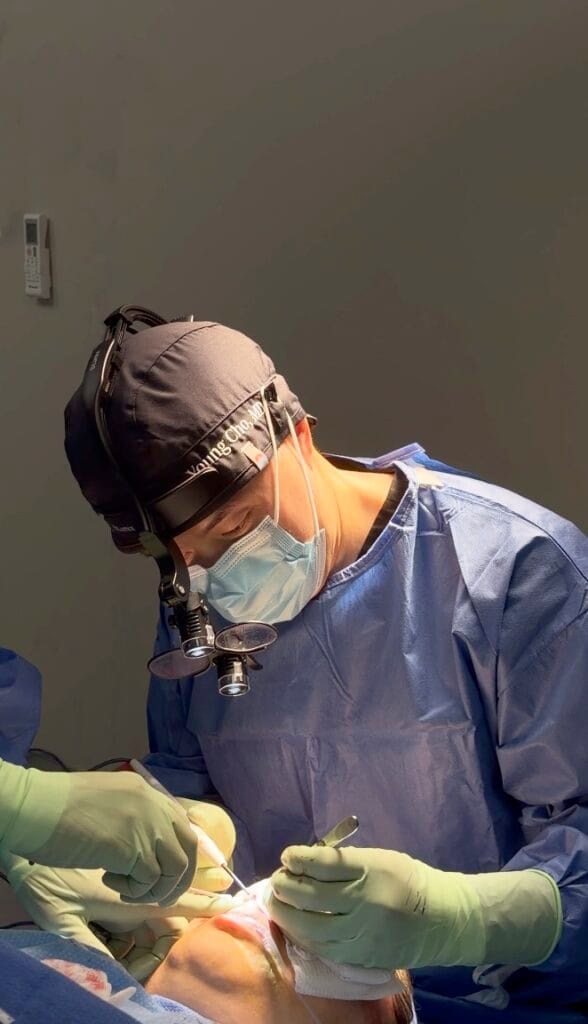
At Integrated Aesthetics, our surgical philosophy centers on delivering precise, natural-looking outcomes that align perfectly with our patients’ unique anatomy. This clinical case review highlights my surgical approach for a 52-year-old male patient who wanted to correct severe skin laxity and restore vitality to his appearance.
Patient Presentation: The “Chronically Fatigued” Appearance in Men
This 52-year-old male patient visited our North Houston practice, expressing a frustration we often hear from male patients in the area: his face simply did not match his internal energy levels. He noted that heavy upper eyelids and prominent bags beneath his lower eyes made him look constantly tired, stressed, or older than his true age, ultimately affecting how he felt about his outward appearance.
Upon comprehensive facial and structural assessment, I identified key signs of age-related tissue breakdown around the orbital region:
Upper Eyelid Hooding: Significant skin laxity in the upper lids had created redundant folds draping over his natural creases, adding weight to his brow and creating a closed-off, heavy appearance.
Lower Eyelid Laxity & Structural Hollows: The lower lids displayed a combination of loose skin and mild orbital fat protrusion (commonly called under-eye bags). This dynamic created distinct shadows that gave the illusion of chronic exhaustion.
To address these concerns cohesively, we developed a surgical plan for a complete quad blepharoplasty to restore clean, youthful contours without changing the fundamental character of his face.
The Surgical Strategy: Why Male Eyelid Surgery Demands a Distinct Blueprint
A “Quad,” or quadruple blepharoplasty, refers to treating all four eyelid quadrants in a single surgical session: both the left and right upper and lower lids. Performing these procedures together ensures completely harmonious facial rejuvenation, preventing an artificial contrast between a refreshed upper eye and an aged lower eye.
Engineering the Masculine Aesthetic
Male plastic surgery requires a completely different surgical plan than female procedures. A man’s facial structure relies on sharper lines and specific anatomical boundaries. When performing a male blepharoplasty in our Spring-area surgical suite, I adhere to strict principles to protect a strong, characteristically masculine look:
Preserving Natural Brow Position: A man’s brow naturally sits flatter and lower along the orbital rim than a woman’s. I carefully calculate the upper lid skin excision to ensure the brow is never pulled artificially high, which completely avoids a “surprised” or feminized look.
Conservative Fat Management: In the lower eyelids, aggressive fat removal can leave a man looking hollowed out. Instead, I focus on smoothing and repositioning the tissue to preserve a seamless transition between the lower eyelid and the cheek.
Invisible Incision Placement: Surgical incisions are meticulously hidden within the natural crease of the upper eyelid and immediately below the lower eyelash line. Once healed, the structural adjustments are fully realized, but the entry points remain entirely hidden from view.
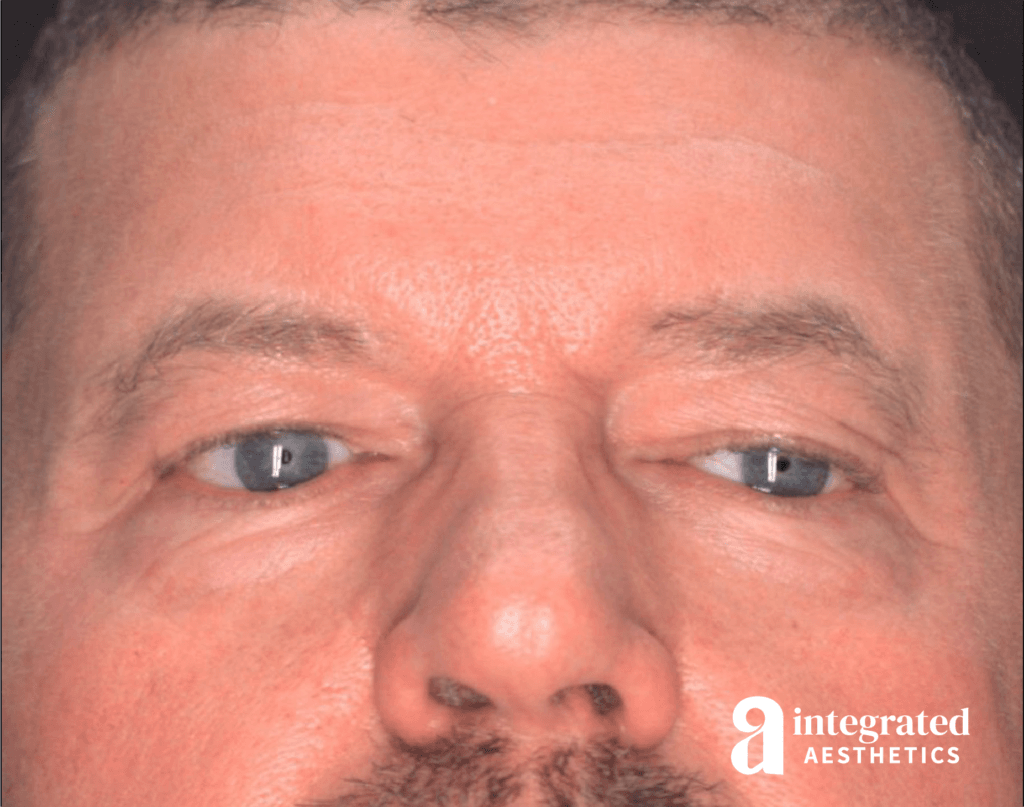
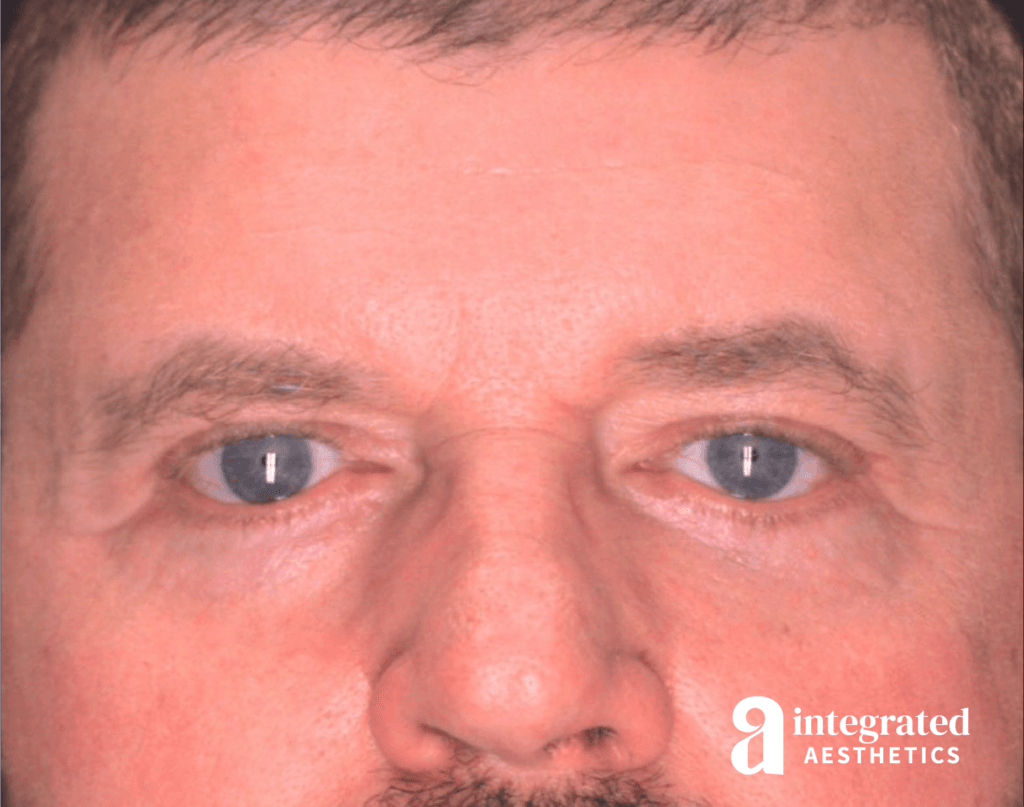
The true measure of a successful male eyelid rejuvenation is a refreshed look that looks entirely natural in motion. The clinical timeline below showcases the patient’s structural stability following initial healing:
To view the official clinical progress photos showing this patient’s results at 11 weeks post-treatment, visit our live Integrated Aesthetics Gallery.
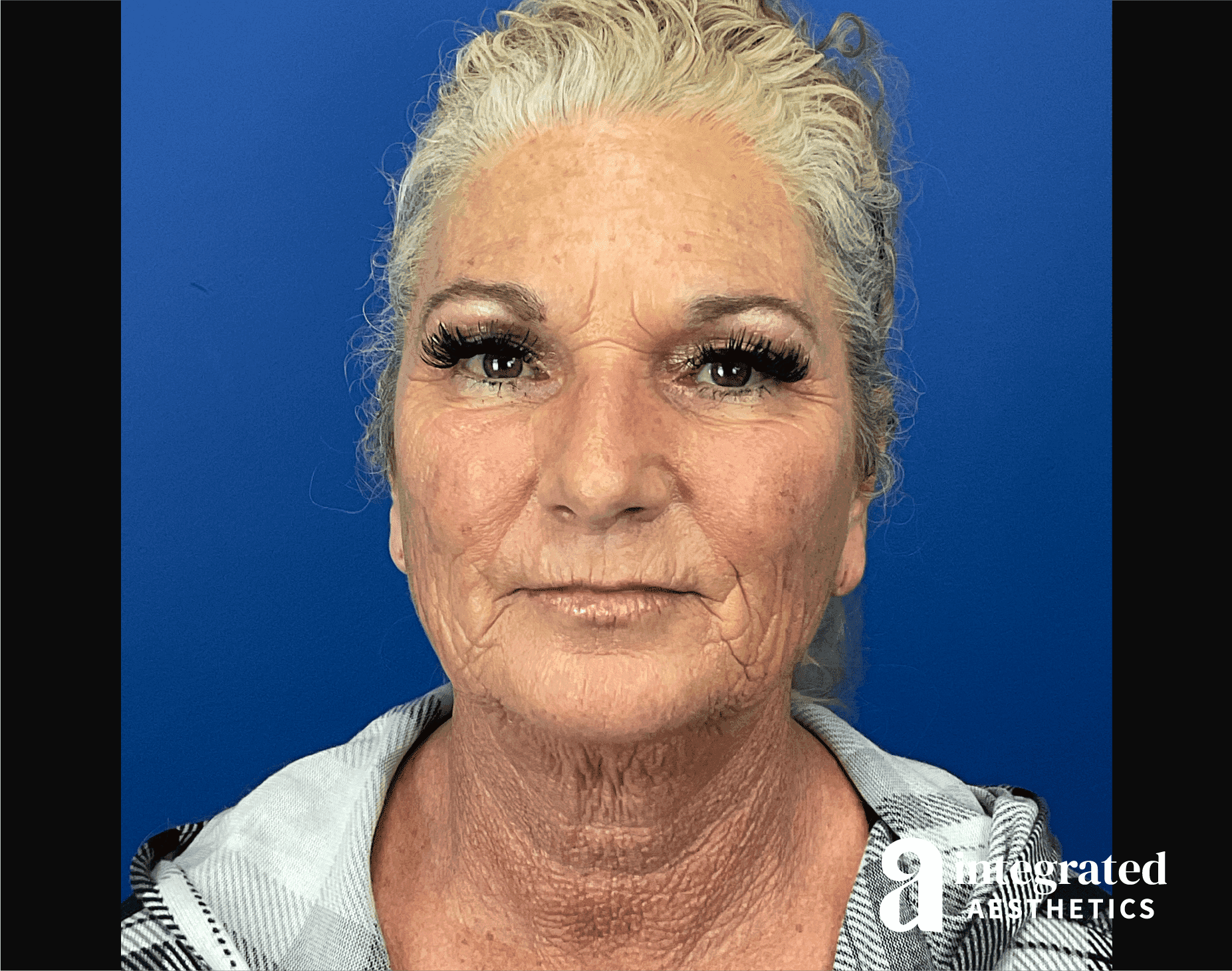
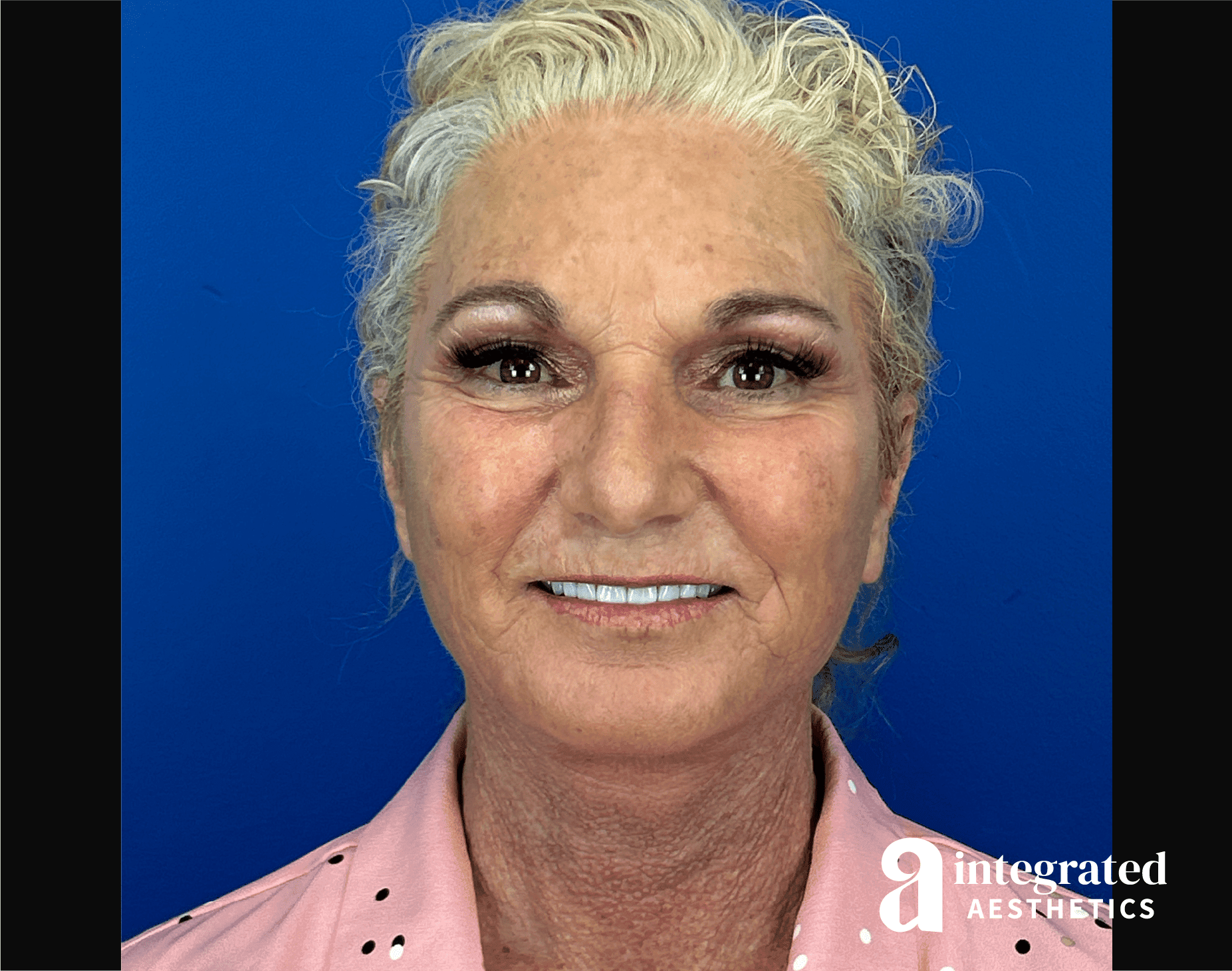
At 11 weeks post-op, the severe skin laxity has been completely resolved. The heavy hooding of the upper lids is gone, opening up his gaze, and a smooth, youthful contour has replaced the tired bags under his eyes.
Because the vast majority of surgical swelling has subsided by this stage, the patient is enjoying a boost in confidence. He now looks incredibly well-rested and revitalized, yet the surgical work itself remains completely unnoticeable.
Ready to Refresh Your Appearance with Long-Lasting Results?
This case study illustrates how customized surgical techniques can safely reverse advanced signs of aging around the eyes while preserving your natural masculine features. If you are ready to correct heavy eyelids, under-eye bags, or skin laxity, explore your options with Dr. Young Cho:
Will a quad blepharoplasty alter the natural shape of my eyes?
No. When performed correctly by a board-certified plastic surgeon, a quad blepharoplasty does not alter your fundamental eye shape or expression. The procedure strictly removes redundant, sagging skin and smooths out bulging fat pads, restoring your eye appearance to a tighter, more youthful baseline of how it looked years prior.
What is the typical recovery timeline for male eyelid surgery?
Most male patients experience mild to moderate swelling and bruising for the first 7 to 10 days. Stitches are typically removed within a week, at which point most patients feel comfortable returning to work, social activities, and light daily routines. Visible signs of surgery are usually completely resolved by 3 to 4 weeks.
Can I combine a blepharoplasty with non-surgical treatments?
Absolutely. Many of our patients choose to pair their eyelid surgery with non-surgical treatments to optimize their global facial rejuvenation. For instance, combining Dr. Young Cho’s surgical eyelid procedures with Dr. Chiang’s expertise in laser skin resurfacing or medical-grade neuromodulators can beautifully enhance overall skin texture and tone across the entire face.
Board-Certified Plastic Surgeon at Integrated Aesthetics | Expert in advanced structural facial rejuvenation, comprehensive deep plane facelifts, and custom multi-modality surgical procedures designed to restore native anatomy.
Published: July 22, 2026 | Updated: July 22, 2026
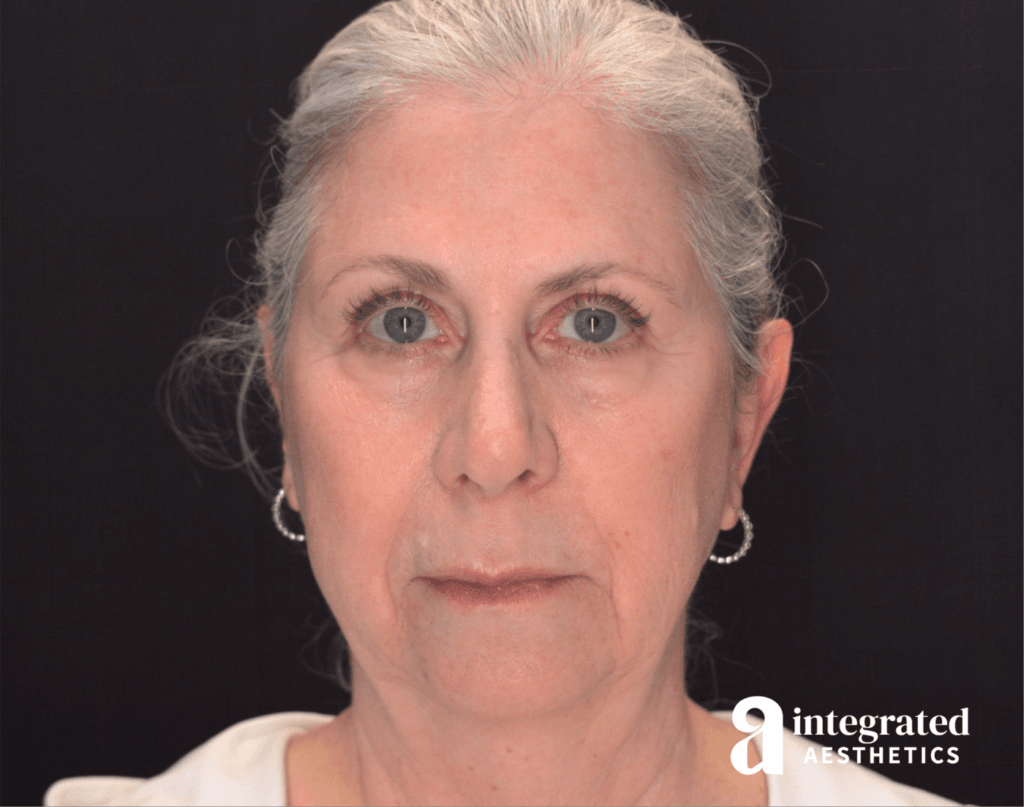
If you have been researching real facelift before and after photos in The Woodlands, looking for the best facelift surgeon near Spring, TX, or searching for natural facial rejuvenation options that completely avoid an overdone, “pulled” look, you are not alone.
At Integrated Aesthetics, board-certified plastic surgeon Dr. Young Cho specializes in advanced surgical facial rejuvenation and deep structural restoration. In this clinical case review, we explore how Dr. Cho achieved an elegant, balanced transformation for a 73-year-old female patient from our local North Houston area using a comprehensive, multi-modality approach.
Procedure at a Glance
Clinical Metric
Patient Case Specifications
Patient Profile
73-Year-Old Female | Resident of The Woodlands / Spring, TX Geographic Area
Primary Concerns
Advanced facial tissue laxity, heavy and descended brows, midface volume depletion, moderate-to-severe jowling, neck laxity with platysmal muscle banding, loss of mandibular definition, and an elongated upper lip.
Extended Deep Plane Face & Neck Lift | Endoscopic Brow Lift | Autologous Facial Fat Grafting | Subnasal Lip Lift
Recovery & Settling
Initial surgical healing at 10 to 14 days; primary structural settling and final balanced contouring documented at two months post-operative.
Clinical Objective
Re-architect deep tissue structures, restore youthful midface volumes, and refine the jawline outline while preserving total natural expression.
Why Patients Choose an Extended Deep Plane Facelift Over a Traditional Facelift
In the past, traditional facelifts relied heavily on pulling and tightening the surface of the skin. While this can temporarily smooth out fine lines, it places unnatural tension on the skin layer, which can lead to an overly tight, wide, or “windswept” appearance while doing very little to correct the heavy, descended deep structures that actually cause lower face aging.
An Extended Deep Plane Facelift changes the corrective vector entirely. Instead of separating the skin from the underlying tissue and pulling it taut, Dr. Cho operates beneath the true supportive muscle layer of the face, the Superficial Musculoaponeurotic System (SMAS). By releasing the internal retaining ligaments that anchor descended tissues, Dr. Cho seamlessly repositions the entire muscle framework and deep fat pads back upward to their native, youthful positions.
For patients searching for the most reliable facial plastic surgery solutions in North Houston, the extended deep plane approach offers distinct clinical advantages:
Unmatched, Natural Articulation: The surface skin is never pulled independently; your native expressions, smile, and facial movements remain completely unaffected.
Comprehensive Jowl & Neck Correction: Releasing the deep facial ligaments allows for a superior, crisp definition along the jawline and smooth contouring throughout the neck.
Long-Lasting Structural Longevity: Lifting the heavy muscle layer rather than the skin provides a structurally sound foundation, allowing results to endure beautifully for a decade or more.
Invisible, Well-Hidden Incision Healing: Because the skin is closed under absolute zero tension, incisions heal into exceptionally discreet, faint lines hidden within the natural contours of the ear and hairline.
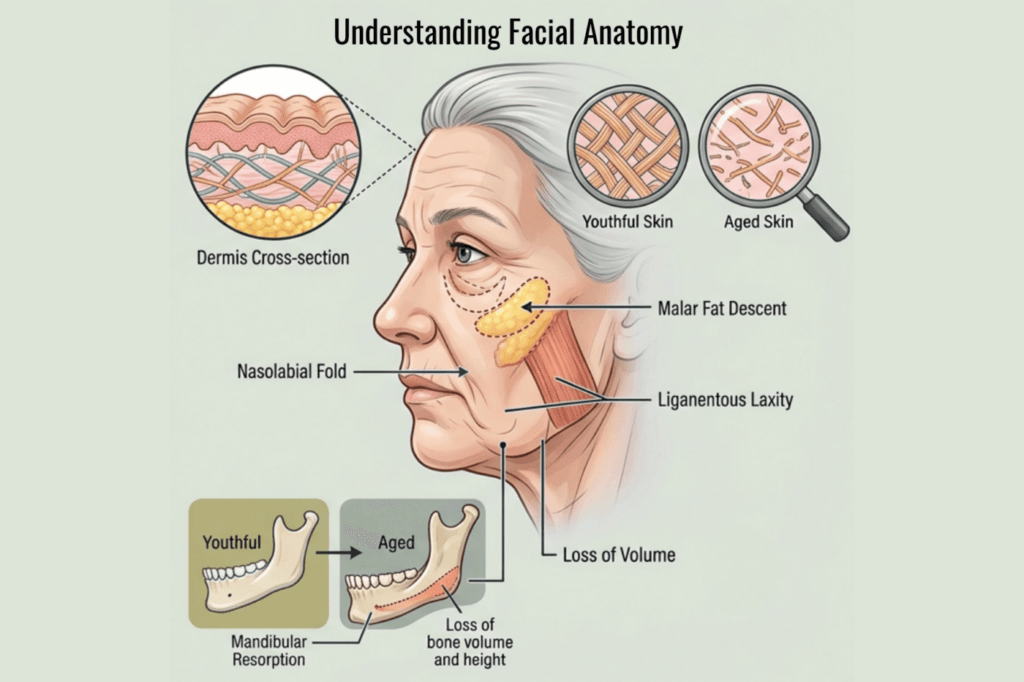
From a clinical perspective, surface wrinkles are merely a secondary symptom of a much deeper, multi-layered structural shift. As the face moves through the decades, it experiences a predictable anatomical progression:
Dermal Degradation: The skin naturally loses its essential collagen and elastin networks, leading to surface thinning and environmental laxity.
Gravitational Soft Tissue Descent: The youthful fat pads of the midface and cheeks gradually slide downward, leaving hollows beneath the eyes and creating heavy folds around the mouth (nasolabial folds).
Ligamentous Laxity: The internal structural ligaments that hold facial tissues against the skeleton weaken, allowing soft tissue to accumulate along the jawline, forming jowls.
Skeletal Resorption: The facial bones themselves slowly lose density and volume over time. The jawbone softens, reducing the structural projection needed to keep the neck and lower face taut.
Patient Presentation & Evaluation
When this 73-year-old patient arrived at our office in Spring, TX, she felt a distinct disconnect between her inner vitality and her outward reflection. While she maintained an active, healthy lifestyle, progressive facial heaviness and a softening jawline gave her a tired appearance.
During her detailed clinical consultation, Dr. Cho performed a complete multi-layered facial evaluation, identifying several interconnected structural targets:
Upper Face: Mild brow descent was placing excess tissue over the upper eyelids, contributing to a heavy upper face expression.
Midface: Structural volume loss in the cheeks had caused a hollow appearance, worsening the depth of her nasolabial folds.
Lower Face: Significant tissue descent along the mandibular border had blurred her jawline profile.
Neck: Advanced skin and muscular loosening in the neck had obscured her profile angle.
Mouth Proportions: The distance between the base of the nose and the vermilion border of the upper lip had lengthened, a classic sign of aging that thins the lip and hides the teeth.
The Surgical Perspective: “Achieving an exceptional, elegant facelift result relies entirely on understanding structural vectors and balance. True facial rejuvenation is never about pulling skin tighter across a deflated foundation. By operating deep within the deep plane layer, we lift and anchor the true muscle architecture, removing all tension from the skin. When we pair this structural lift with autologous fat grafting to restore natural volume, we recreate the smooth, crisp lines of youth while preserving the patient’s absolute authentic identity.” — Dr. Young Cho
Clinical Progress Documentation
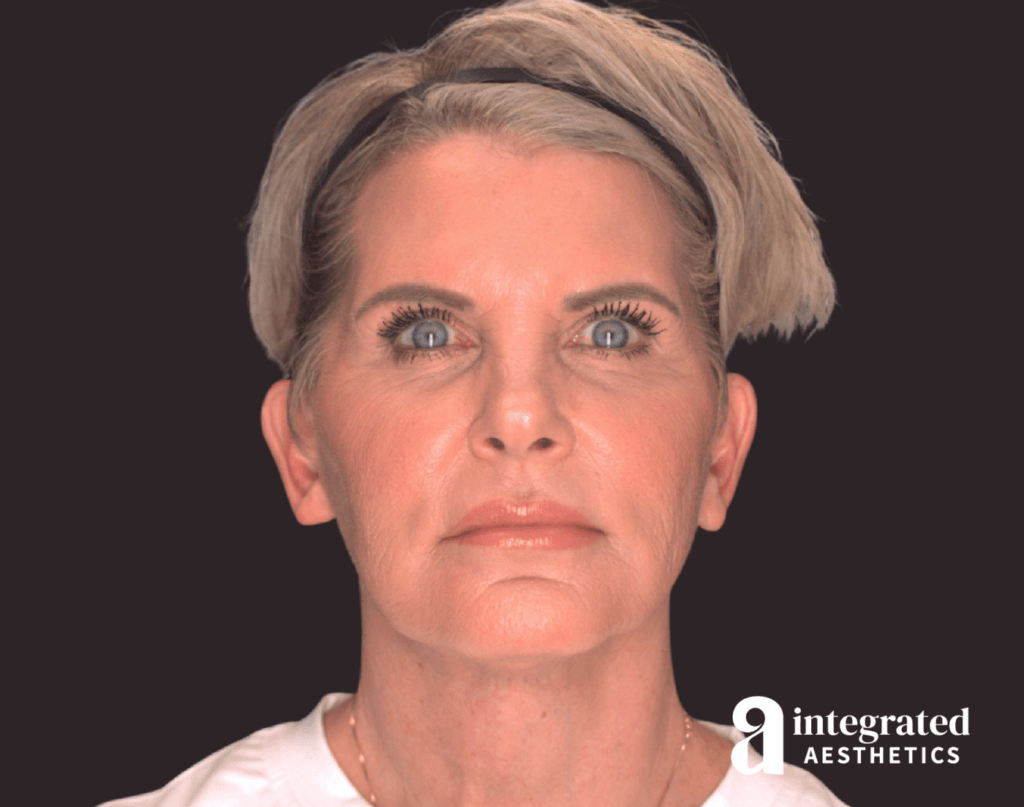
The hallmark of an expert deep plane procedure is an elegant, balanced profile that looks entirely un-operated during both rest and active facial movement.
To view the official clinical progress photos showing this patient’s transformation at two months post-treatment, explore our live Integrated Aesthetics Comprehensive Gallery.
This case study illustrates how advanced, comprehensive surgical techniques can profoundly restore a face experiencing advanced anatomical changes. If you are ready to explore your options or speak directly with our team about a customized surgical treatment plan, explore our main site to get started.
What makes an Extended Deep Plane Facelift different from a traditional SMAS facelift?
A traditional SMAS facelift pulls and tightens the surface skin after separating it from the muscle framework and may plicate or excise a portion of the SMAS to a more lifted position. An Extended Deep Plane Facelift operates entirely beneath the muscle layers to release the tight internal ligaments pinning down old tissue. This allows the muscle and fat complex to be shifted upward as a single unit, removing all tension from the skin for a softer, longer-lasting, and completely natural result.
What is the typical recovery timeline for a facelift patient in the Spring or The Woodlands area?
Most deep plane facelift patients complete their primary healing phase within 10 to 14 days, allowing a comfortable return to social settings, office work, and public outings by week 3. While tissues look natural very early on, the final, subtle structural refinement continues to settle beautifully over a two-month period.
Why is facial fat grafting frequently combined with a deep plane facelift?
Facial aging involves both gravitational sagging and volume loss from bone and fat pad thinning. While a deep plane facelift repositions descended muscle and tissue frameworks, it cannot replace missing volume. Combining the lift with autologous fat grafting allows Dr. Cho to simultaneously restore youthful, soft fullness to areas like the cheeks and hollow under-eyes.
Board-Certified Plastic Surgeon & Deep Plane Facial Anatomy Specialist at Integrated Aesthetics | Expert in combining deep-plane tissue suspension with autologous fat transfer and advanced laser resurfacing modalities.
Published: July 2026 | Updated: July 2026
Procedure at a Glance
Surgical Metric
Patient Case Specifications
Patient Profile
65-Year-Old Female | Resident of Spring / The Woodlands, TX
Primary Deficits
Advanced facial sagging, jowling, and severe volume loss following major weight loss.
Combined Interventions
Deep Plane Mid/Lower Facelift + Neck Lift + Natural Facial Fat Grafting + Endoscopic Brow Lift + CO2 Laser Resurfacing
Anatomical Focus
Lifting structural deep tissues (Sub-SMAS), multi-level fat grafting, eyelid fat repositioning, and laser dermal tightening.
Downtime / Recovery
10 to 14 days for initial surgical recovery and bruising resolution. Swelling from micro-fat transfers settled completely within 3–4 weeks.
Result Profile
Fully restored youthful volume, a naturally lifted jawline, and dramatically smoother skin texture documented at 7 weeks post-op.
Significant weight loss is an incredible milestone for your health, but it often leaves an unexpected challenge: a noticeable loss of facial volume and sagging skin. When we lose weight, the structural fat pads in our face shrink, and overstretched skin can lose its natural elasticity. This often results in a hollowed, prematurely aged appearance around the cheeks, jawline, and neck.
Recently, a 65-year-old female patient visited our practice at Integrated Aesthetics, serving The Woodlands and Spring, TX, seeking a comprehensive solution to these exact concerns. By combining advanced deep-plane surgical techniques with facial fat grafting and laser skin resurfacing, we were able to completely restore her youthful contours. Here is a look behind the scenes at her customized transformation.
The Strategy: Why a Traditional Facelift Wasn’t Enough
When dealing with the dual challenge of loose skin and severe volume depletion from weight loss, a traditional “skin-only” facelift falls short. Pulling the skin too tight creates an artificial, “windswept” look without addressing the underlying structural emptiness.
To give this patient a completely natural, refreshed look, I designed a multi-layered procedure:
1. The Deep Plane Facelift & Neck Lift
Instead of just pulling the skin, a deep plane facelift allows me to enter the deeper anatomical layers of the face (the sub-SMAS layer). By releasing the deep retaining ligaments, I can gently lift the fallen muscles and fat pads of the cheeks and jawline back to their original, youthful position. This creates a beautifully crisp jawline and eliminates jowls without placing any tension on the skin itself.
2. Restoring Volume with Natural Fat Grafting
Lifting the tissue fixes the sagging, but it doesn’t fix the hollowness caused by her weight loss. To restore a soft, youthful plumpness, we performed autologous fat grafting. We harvested the patient’s own natural fat cells, purified them, and meticulously transferred them into areas of deficit—specifically around the midface, temples, and under the eyes (periorbital fat transposition).
3. Lifting the Brow & Reclaiming Smooth Skin
To open up her eyes and address a heavy brow, an endoscopic brow lift was performed through tiny, hidden incisions in the hairline. Finally, to address fine lines, sun damage, and skin laxity, we finished the procedure with fractionated CO2 laser resurfacing. This advanced laser removes damaged outer skin layers while stimulating deep collagen production, tightening the skin from the outside in.
Dr. Cho’s Clinical Insight:
“Addressing the post-massive weight loss face requires treating structural gravity and severe volumetric emptiness as two halves of the same anatomical puzzle. If you only pull, you reveal the skeleton; if you only fill, you create an unnatural weight. The deep plane framework allows us to safely suspend the deep structural layers while using autologous fat to restore the natural, soft bounce of youth.”
Real Recovery: What to Expect
Many patients in the Spring and Woodlands areas ask me about the downtime associated with combining multiple facial procedures. Transparency in recovery allows patients to plan their lives effectively. *
Days 1–14 (Initial Healing): The first two weeks are focused on rest. Most bruising and initial surgical swelling resolve within 10 to 14 days, at which point most patients feel perfectly comfortable running errands and returning to social activities. *
Weeks 3–4 (Settling In): While the incisions heal quickly, the micro-fat transfers cause a bit of residual fullness. This settles completely within 3 to 4 weeks, revealing the soft, natural contours of the face.
Week 7 (The Reveal): By her seven-week post-operative appointment, her results were beautifully apparent. Her skin was firm and radiant; her jawline was cleanly defined, and the hollowed appearance from her weight loss was replaced with healthy, youthful volume.
Clinical Outcomes and Healing Progress
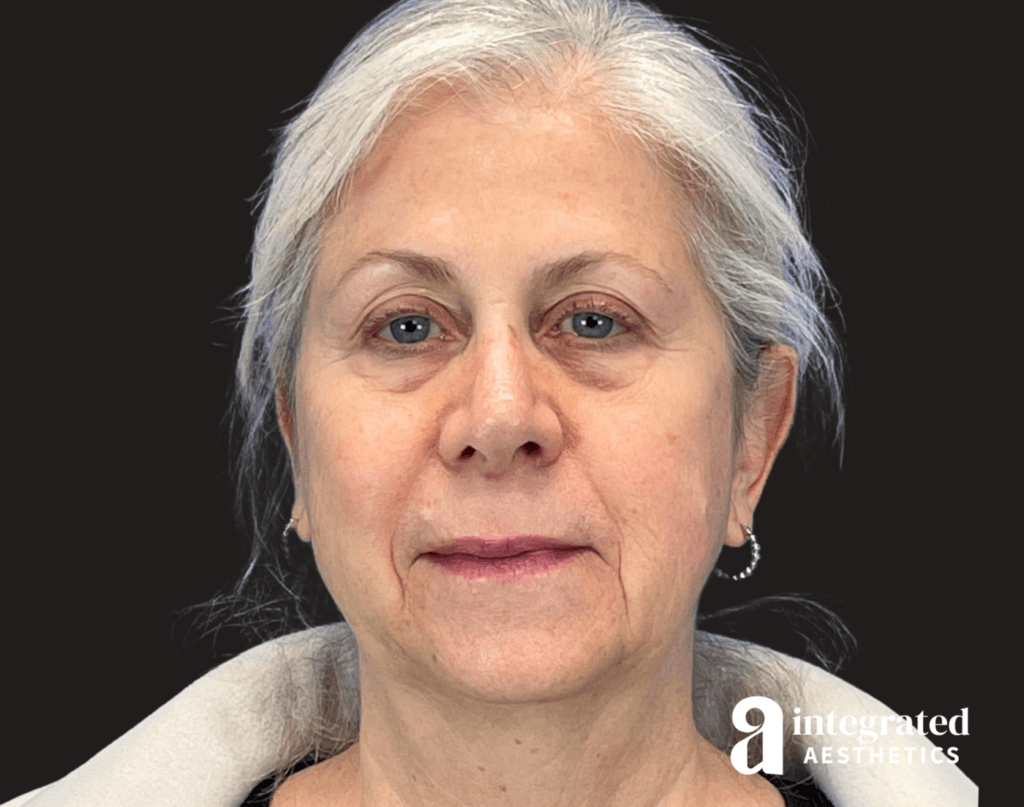
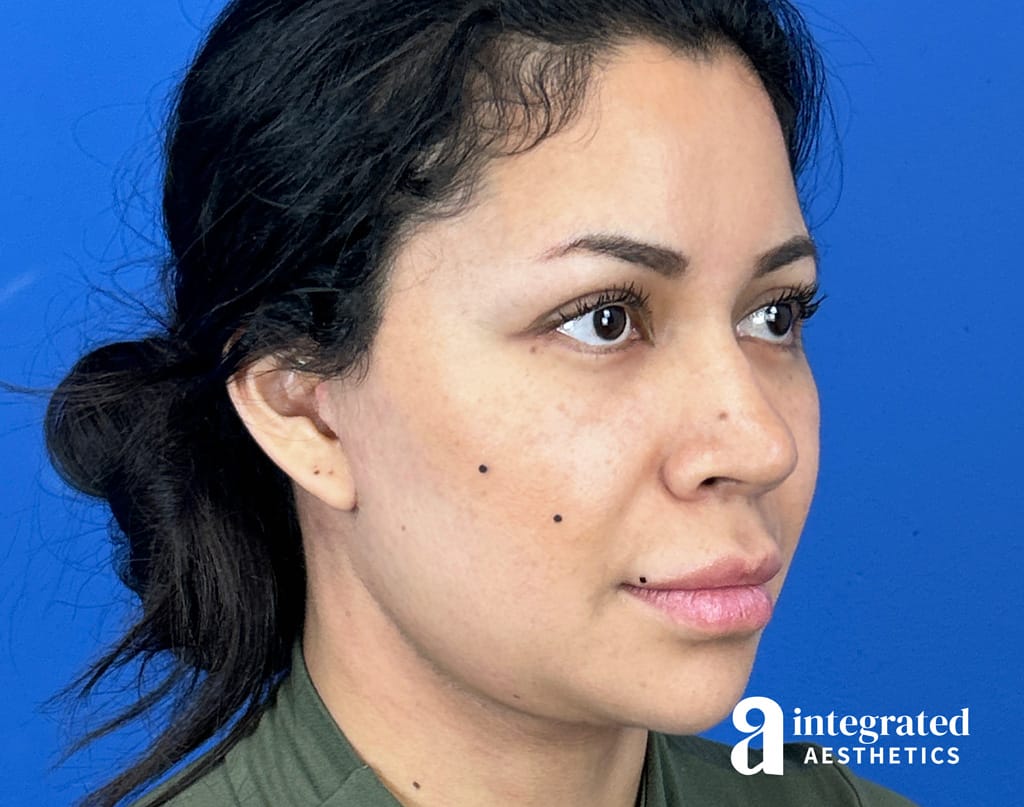
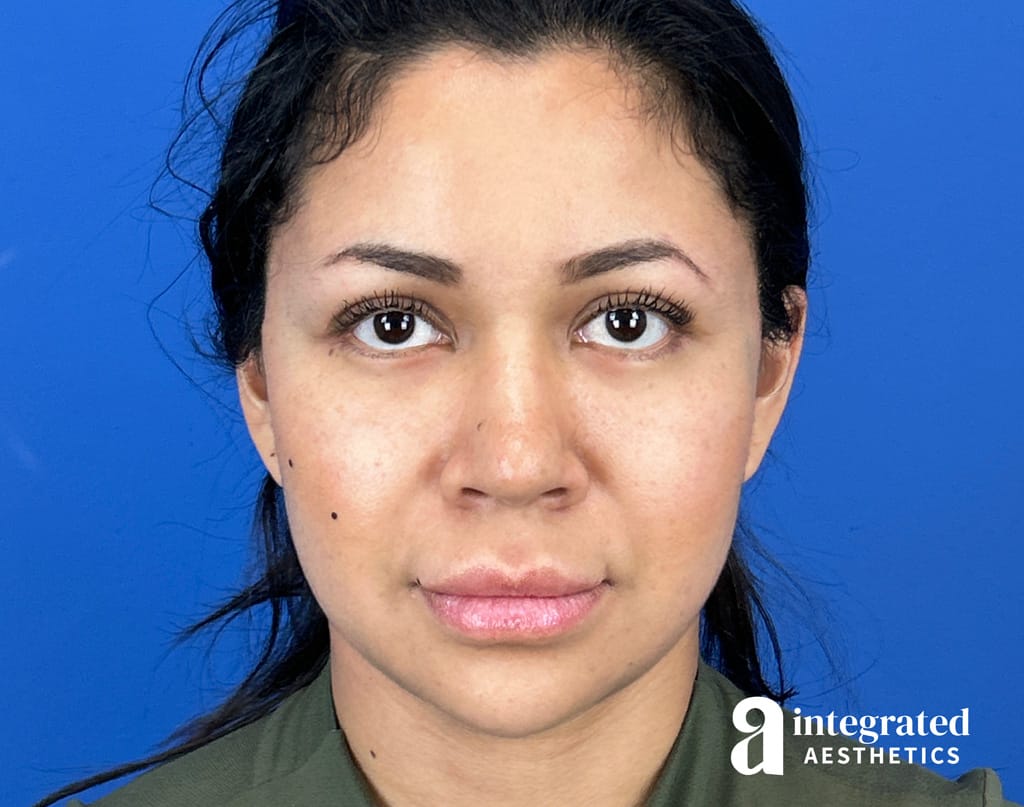
By combining deep structural lifting with targeted volume replacement, the patient achieved a naturally refreshed appearance that preserved her personal features and reversed the severe facial hollowing caused by her weight loss. Her early results are documented below:
To view the un-retouched clinical photos showing this patient’s results at seven weeks post-procedure, visit our live Integrated Aesthetics Case Gallery.
Want to Learn More About Combining Facelift and Volume Treatments?
This case review highlights the benefit of combining surgical lifting with natural fat transfer to restore structural volume loss. For a detailed look at how deep plane techniques can refresh your appearance, read our definitive surgical guide:
Every face ages differently, especially after a major health milestone like weight loss. Achieving a natural result requires an intimate understanding of facial anatomy and a customized blend of surgery, volume restoration, and advanced laser therapy.
If you are exploring your options for facial rejuvenation in North Houston, I invite you to schedule a private, one-on-one consultation at our state-of-the-art office. Together, we will build a plan tailored precisely to your anatomy and aesthetic goals.
Frequently Asked Questions
How does a deep plane facelift differ from a traditional facelift?
A traditional facelift primarily pulls and tightens the skin and the top superficial layer of muscle, which can sometimes look unnatural if over-tightened. A deep plane facelift goes beneath the muscle layer to release natural retaining ligaments. This allows me to lift the entire structural foundation of the face vertically, resulting in a more youthful, completely un-operated appearance that lasts significantly longer—typically 10 to 15 years.
Is it safe to combine a deep plane facelift with fat grafting and laser resurfacing?
Yes, and for patients with advanced volume loss from aging or weight loss, combining these modalities delivers the safest, most harmonious result. By performing natural fat grafting alongside the deep plane lift, we address both structure and volume simultaneously. The CO2 laser targets surface laxity and texture. Combining them avoids the need for multiple recovery periods and delivers a comprehensive rejuvenation that a single procedure cannot match.
What is the typical recovery time for a multi-procedure facial lift in Spring, TX?
Most patients should plan for roughly 10 to 14 days of “social downtime.” During this initial two-week window, most of the surgical bruising and swelling resolves, allowing you to return to normal daily errands and social outings comfortably. Minor residual swelling from the fat grafting can take 3 to 4 weeks to completely blend into your natural features.
Board-Certified Plastic Surgeon & Facial Optimization Specialist at Integrated Aesthetics | Yale-educated surgeon and speaker certified in the international MD Codes™ structural injection framework, bringing a surgical eye to non-surgical pan-facial rejuvenation.
Published: June 24, 2026 | Updated: June 24, 2026
Procedure at a Glance
Clinical Variable
Patient Case Specifications
Patient Profile
66-Year-Old Female | Resident of Spring / The Woodlands, TX
Primary Concerns
Loss of lower face structural support, prominent jowling, and down-turned mouth corners creating an artificial sad resting expression.
Dermal Filler: 7 Syringes of Voluma XC (3 in midface/cheeks, 4 in chin/pre-jowl sulcus).
Downtime / Recovery
Minimal social downtime. Patient experienced mild localized swelling and light point-tenderness which resolved entirely within 48 hours.
Result Profile
Restored midface projection, crisp jawline contour, and elongated neck profile documented at 1 month post-injection.
For patients looking to achieve significant facial rejuvenation without undergoing standard surgery, modern cosmetic medicine offers precise, multi-layered alternatives. Many patients in their 60s who come to my North Houston plastic surgery practice assume that a surgical facelift is their only option to treat a heavy jawline or sagging neck tissue. However, by applying a surgical understanding of deep facial anatomy to non-surgical structural injection techniques, we can achieve substantial lifting directly in the office.
At Integrated Aesthetics, we approach structural aging through our signature 5Rs Framework to Facial Rejuvenation. In this case study, I outline how I used R2 (Replenishing Lost Volume) using advanced injectables to design a non-surgical liquid facelift for a 66-year-old female patient from our local Spring and The Woodlands community.
Patient Presentation: Assessing the Structural Deficits of the Lower Face
When this 66-year-old patient presented to me, she expressed frustration with a heavy, tired appearance in her lower face and neck. She noted that her jawline definition had blurred over the past decade and that the down-turned corners of her mouth gave her an artificial “sad” expression at rest.
Even when designing a non-surgical treatment plan, I evaluate the face with a reconstructive surgeon’s eye. I look past surface wrinkles to examine the interconnected system of bone and deep fat pads. My clinical assessment revealed several key anatomical changes:
Midface Deflation: Atrophy of the deep malar fat pads, which removes structural support from the midface and causes soft tissues to slide downward toward the mouth.
Mandibular Bone Resorption: Natural bone thinning along the chin and jawline, which reduces the skeletal framework needed to keep the skin taut.
The Execution: The Precision of MD Codes Facial Balancing
To address these underlying causes of aging without surgery, I used the MD Codes System. As a plastic surgeon, I highly value this system because it maps precise structural points across the face to rebuild support where it has been lost. This allows us to structurally “lift” the face rather than simply chasing lines, completely avoiding the overfilled, puffy appearance associated with older injection styles.
Structural Volumization and Deep Tissue Lifting (R2 – Replenish)
I began by placing Juvéderm Voluma XC, a highly cross-linked hyaluronic acid gel designed for deep structural augmentation, directly over the skeletal framework:
Cheeks (3 Syringes total): Formulated across the lateral zygomatic arch and sub-orbicularis oculi fat pad. Rebuilding the midface structure lifts the tissues below, softening the nasolabial appearance and marionette lines without filling them directly.
Chin and Jowls (4 Syringes total): Directed into the mental mentum, pre-jowl sulcus, and along the mandibular angle. This step projects the chin forward and strengthens the jawline, smoothing the appearance of jowls and tightening the skin along the upper neck line.
Clinical Documentation: Before and After Progress
The success of an injection treatment relies on creating natural, balanced results. This patient’s transformation shows how a customized liquid facelift can restore structure and definition to the lower face and neck, delivering a beautiful outcome that delays her need for the operating room.
To view the un-retouched clinical photos showing this patient’s results at two months post-treatment, visit our live Integrated Aesthetics Case Gallery.
This case study highlights what can be achieved using non-surgical injectables alone. To learn more about how we combine both surgical and advanced non-surgical treatments to completely refresh your look, read our comprehensive guide to facial optimization at Integrated Aesthetics:
How long do the results of a liquid facelift last?
When using a thick, premium structural filler like Juvéderm Voluma XC with the MD Codes method, the structural support along the cheeks and jawline can last up to 18 to 24 months.
Is a liquid facelift painful?
Patient comfort is our absolute priority. We apply a strong medical-grade topical numbing cream before the treatment, and the dermal fillers themselves are formulated with lidocaine (a local anesthetic) that continuously numbs the area during the injection process. Most patients describe the feeling as a mild pressure rather than sharp pain.
As a plastic surgeon, when do you recommend a liquid facelift over a surgical facelift?
A liquid facelift is an excellent option for patients with mild-to-moderate tissue laxity who want an anti-aging reset without surgical downtime, or for those who are not medical candidates for surgery. However, if a patient has severe skin redundancy and deep muscular separation in the neck, I will discuss a surgical extended facelift to achieve their long-term structural goals.
Board-Certified Plastic Surgeon & Facial Reconstructive Expert at Integrated Aesthetics | Yale-educated surgeon specializing in deep-tissue SMAS anatomy manipulation and complex facial aging reconstruction.
Published: June 15, 2026 | Updated: June 15, 2026
Procedure at a Glance
Clinical Metric
Patient Case Specifications
Patient Profile
35-Year-Old Female | Light Skin Tone
Anatomical Concerns
Early-onset facial aging, structural descent of the midface, loss of natural volume, heaviness in the lower eyelids, and brow descent.
Surgical Execution
Deep Plane Facelift & Combined Facial Rejuvenation
Treatment Modalities
Deep Plane Facelift, Facial Fat Grafting, Endoscopic Brow Lift, Bilateral Lower Blepharoplasty, and Morpheus8 (Face & Neck).
Result Timeline
Incredible natural contouring, smoothing, and volume restoration documented at just 1 month post-procedure.
There is a common misconception that facelift surgery is strictly reserved for patients in their late 50s or 60s. However, biological aging is unique to everyone. When a younger patient experiences structural tissue descent—where the fat pads and deep muscular layers begin to drop—relying exclusively on dermal fillers can quickly lead to facial distortion, an “overfilled” appearance, or what the aesthetic industry calls “filler fatigue.”
At Integrated Aesthetics, we focus on treating the root cause of aging anatomically. In this clinical review, I will detail a comprehensive, custom-tailored facial rejuvenation demonstrating how a Deep Plane Facelift, combined with volume restoration and skin resurfacing, provided an incredible, natural result for a 35-year-old female patient from The Woodlands area.
Patient Presentation: Early Facial Aging and Structural Descent
This 35-year-old female patient presented to our practice seeking options for facial aging. Despite her younger age, she felt her face had taken on a tired appearance that did not reflect her energetic lifestyle.
Upon physical evaluation, her facial structure showed several complex concerns that went beyond simple surface wrinkles:
Midface & Lower Face: Descent of the cheek fat pads and deep structural tissue, contributing to a heavier lower face and the very early stages of jowling.
Periorbital Aging: Heaviness and tissue laxity under the lower eyelids, compounded by early brow descent (ptosis), which created shadowing around the eyes.
Volume & Skin Quality: Loss of youthful facial volume (fat) and a need for generalized skin tone and texture refinement.
Because her concerns involved the descent of deep anatomical structures, non-surgical options alone would be insufficient. We crafted a highly customized, multi-modality surgical plan to restore her face to its natural, rested baseline.
The Surgical Plan: Deep Plane Repositioning & Synergistic Modalities
To safely lift and reshape her facial framework without creating a “pulled” or unnatural appearance, I utilized a Deep Plane Facelift. By moving beneath the SMAS layer and releasing the retaining ligaments, we can reposition the muscle and fat vertically, lifting the architecture of the face without putting tension on the skin.
Anatomical Details of the Combined Procedure
Deep Plane Facelift: The midface tissues and deep cheek fat pads were elevated back into their youthful, convex position to restore smooth transitions across the jawline and midface.
Facial Fat Grafting: To complement the structural lift, autologous fat was grafted into areas of volume depletion. This 3-D restoration returns the soft, natural plumpness inherent to a youthful face.
Endoscopic Brow Lift: A minimally invasive brow lift was performed to gently elevate the forehead tissue, opening up the upper third of the face and removing the “heavy” look.
Bilateral Lower Blepharoplasty: The lower eyelid fat compartments were repositioned and smoothed to seamlessly blend the transition between the eye and the cheek.
Morpheus8 (Face and Neck): To refine the skin’s surface elasticity and promote ongoing collagen production, we completed the surgery with Morpheus8 radiofrequency microneedling across the full face and neck.
Clinical Results: A Naturally Restored Appearance at 1 Month
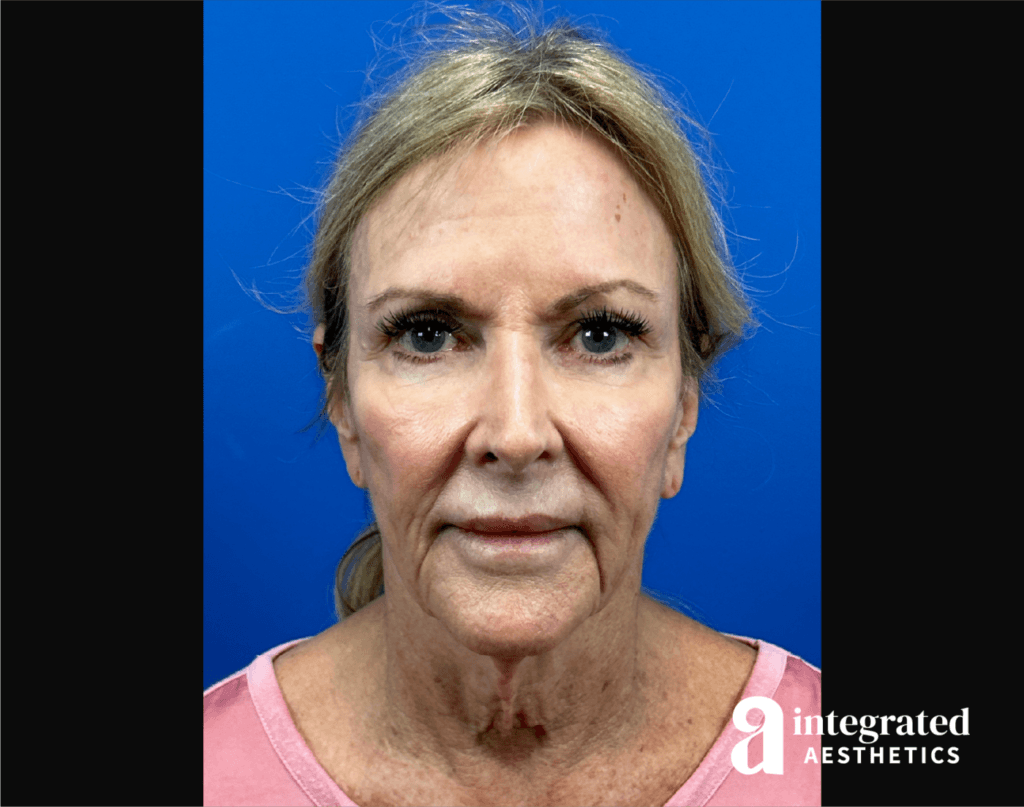
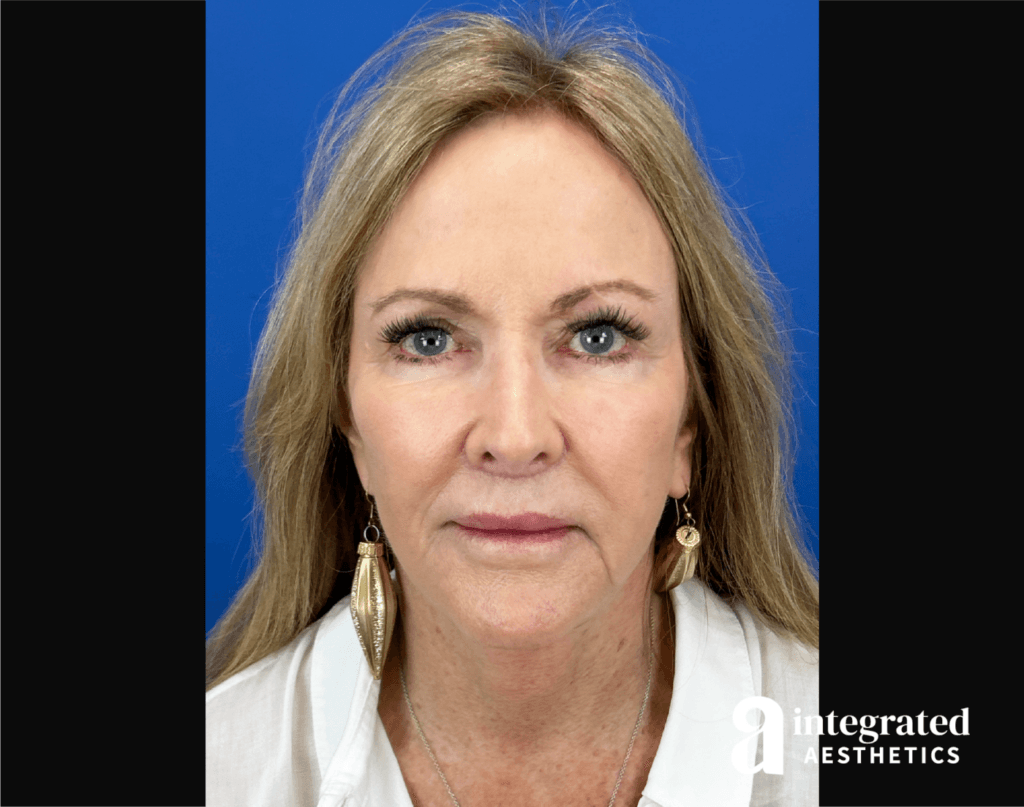
By comprehensively addressing the bone structure, muscle, fat, and skin simultaneously, the patient healed beautifully. Her facial contours look natural, refreshed, and completely un-operated on. Her outcomes at just one month post-procedure are documented below:
Un-retouched clinical photos showing patient results at 1 month post-procedure.
This case study proves that age is just a number when it comes to highly customized facial rejuvenation. To learn more about our surgical options, deep plane techniques, and patient safety protocols at Integrated Aesthetics, explore our primary service guide:
Not necessarily. While 35 is younger than the traditional facelift demographic, candidates are chosen based on anatomical presentation, not chronological age. If you are experiencing structural descent that fillers cannot adequately or naturally correct, a deep plane facelift provides a definitive, natural-looking solution by treating the root cause.
Why combine fat grafting and Morpheus8 with a facelift?
A facelift addresses sagging tissues, but it does not restore lost volume or improve skin texture. By adding facial fat grafting, we replenish youthful volume that degrades over time. Simultaneously, Morpheus8 radiofrequency microneedling remodels the skin’s surface, improving elasticity and tone for a truly comprehensive rejuvenation.
What is the recovery like for these combined procedures?
Combining procedures is highly advantageous because it treats multiple aging vectors simultaneously and consolidates the healing process into a single recovery period. Swelling and bruising are typical during the first 1–2 weeks. As seen in this patient case, noticeable refinement and highly natural results are visible by the 1-month mark, with microscopic healing continuing to improve the final outcome over the following months.
Board-Certified Plastic Surgeon & Facial Reconstructive Expert at Integrated Aesthetics | Yale-educated surgeon and international speaker specializing in advanced deep-tissue SMAS anatomy manipulation and complex facial aging reconstruction.
Published: June 10, 2026 | Updated: June 10, 2026
Procedure at a Glance
Surgical Metric
Patient Case Specifications
Patient Profile
61-Year-Old Female | Retired Firefighter | Spring, TX Local
Anatomical Concerns
Severe structural laxity in the midface, lower face, and neck; deep, etched-in wrinkles; heavy jowling; and environmental damage from heat, chemical vapor, and smoke exposure.
Surgical Procedure
Extended Facelift (Comprehensive lower face, midface, and deep structural neck lift)
Anatomical Approach
Extended SMAS (Superficial Musculoaponeurotic System) release, deep retaining ligament dissection, and muscular suspension.
Anesthesia & Facility
General Anesthesia | Performed in our state-of-the-art, accredited surgical suite in Spring, TX.
Recovery Timeline
Surgical swelling and bruising peaked at 7–10 days; returned to normal social and light professional routines at 2 weeks; final natural results achieved at 2 months.
Environmental factors can significantly accelerate the natural facial aging process. For individuals exposed to harsh conditions, such as extreme heat, toxic chemicals, and smoke, the structural components of the skin can break down prematurely. This case study details a surgical facial rejuvenation demonstrating how an extended facelift can restore definition and reverse severe environmental damage.
At Integrated Aesthetics, we utilize our 5Rs Framework to Facial Rejuvenation to address aging at every layer. In this clinical review, I detail how I used R4 (Reposition the Tissue) to restore youthful facial structure for a 61-year-old retired female firefighter from the Spring, TX area.
Patient Presentation: Assessing Environmental Aging and Loss of Support
This 61-year-old female patient came to our practice seeking options for severe facial aging. As a career firefighter, her face had been exposed to extreme heat, smoke, and environmental toxins for decades. These factors, combined with a history of smoking, caused significant elastosis, breaking down her skin’s elasticity and causing deep, etched-in lines.
Upon evaluation, her facial structure showed several complex concerns:
Severe Midface Sagging: Total descent of the cheek fat pads, which deepened her nasolabial folds and flattened her midface.
Pronounced Jowling: Loose tissue along the lower jawline that completely obscured her natural jaw structure.
Severe Neck Laxity: Significant sagging of the neck skin and muscles, creating vertical bands and a heavy, aged profile.
Because her concerns involved deep structural changes, non-surgical options would not provide the comprehensive result she desired. She required an extended surgical lift to address the underlying muscle and tissue layers.
The Surgical Plan: Extended Deep Plane SMAS Dissection and Muscular Suspension
To safely lift and reshape tissues damaged by heat and smoking, I performed an extended facelift and structural neck lift. This technique focuses on repositioning the underlying deep tissue structures rather than simply pulling the surface skin, avoiding a tight or unnatural appearance.
Anatomical Details of the Surgical Procedure
Extended Deep Plane SMAS Release: I extended the surgical dissection deep beneath the Superficial Musculoaponeurotic System (SMAS) layer. Releasing the retaining ligaments in the midface allowed me to lift the deep cheek fat pads back to their natural, youthful position.
Lower Face and Mandibular Definition: The lax muscular framework along the lower jaw was lifted and secured, removing jowling and creating a smooth, defined jawline.
Deep Structural Neck Lift: I tightened the platysma muscle and removed excess subplatysmal fat, flattening vertical bands and defining the angle between the chin and the neck.
Skin Management: After addressing the deep structural layers, the excess, environmentally damaged skin was trimmed away and closed with precise, low-tension techniques to ensure minimal scarring.
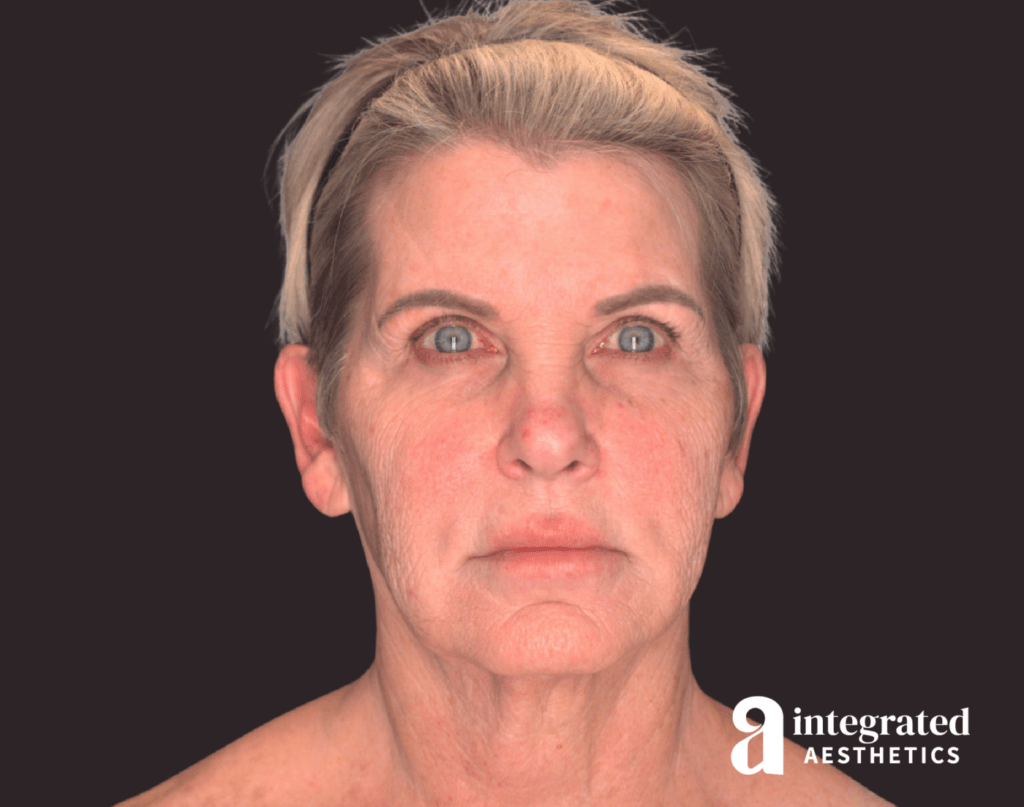
Despite significant pre-existing skin damage from environmental exposure, repositioning the deep muscle layers allowed the patient to heal with natural, long-lasting facial contours. Her final outcomes are documented below:
To view the official clinical photos showing this patient’s results at two months post-procedure, visit our live Integrated Aesthetics Surgical Gallery.
This case study demonstrates the power of deep-tissue facial repositioning. To learn more about our surgical options, recovery timelines, and patient safety protocols at Integrated Aesthetics, read our comprehensive guide:
How does smoking affect facelift surgery and recovery?
Smoking constricts blood vessels, which reduces oxygen delivery to healing tissues and increases the risk of skin healing complications or noticeable scarring. I require all patients to stop smoking completely for a specific period before and after surgery to ensure safe healing and optimal results.
What is the benefit of an extended facelift compared to a traditional mini lift?
A mini lift only addresses superficial skin laxity along the lower jawline. An extended facelift repositions the deep muscular layers (SMAS) of both the midface and neck, providing a more comprehensive, natural-looking lift that addresses deep wrinkles and severe sagging.
Where are the surgical incisions placed for an extended facelift?
Incisions are carefully hidden along the natural contours of the ear structure, extending up into the temple hairline and around the back of the ear lobule. This precise placement ensures that scars fade into natural skin creases and remain well-concealed.
Breast augmentation has always been one of the most popular cosmetic procedures, but the style of augmentation has quickly started to change. Today, more women are choosing smaller breast implants, natural-looking breast augmentation, and results that enhance rather than overpower their figure.
At Integrated Aesthetics, we’re seeing this shift more and more. Patients want outcomes that feel authentic, age gracefully, and support an active lifestyle. The trend toward subtle, proportionate enhancement isn’t just aesthetic — it’s empowering.
Why Women Are Choosing Smaller Breast Implants
Several cultural and lifestyle factors drive the move toward natural breast augmentation:
Aesthetic trends favor subtlety. The “quiet luxury” movement has influenced cosmetic preferences. Women want refined, proportionate results that blend seamlessly with their natural shape.
Comfort and lifestyle matter more. Smaller implants feel lighter, more natural, and better suited to fitness, sports, and daily movement.
Long-term results are a priority. Patients are thinking ahead. Smaller implants often age better, reduce strain on breast tissue, and may lower the likelihood of future revision surgery.
Revision and downsizing trends are rising. Many women with older, larger implants are now choosing implant removal or downsizing, which is influencing first-time patients to start with a more natural look.
What “Natural-Looking Breast Augmentation” Really Means
Natural doesn’t mean “minimal change.” It means enhancement that matches your proportions and complements your anatomy.
A natural breast augmentation typically includes:
A modest increase in volume
Implants that match the width of the chest
Soft, subtle upper pole fullness
A shape that moves and feels like natural breast tissue
The goal is harmony — results that make clothing fit better, restore confidence, and still look like you.
Benefits of Choosing Smaller Breast Implants
Smaller implants offer several advantages that many patients appreciate long-term:
More comfortable and lightweight
More natural movement and feel
Lower risk of tissue thinning or stretching
Better compatibility with athletic lifestyles
A more graceful aging process
Reduces the likelihood of future revision surgery
When implants complement your natural proportions, the results tend to stay beautiful for years.
Advanced Planning for Natural Results
Modern surgical planning makes natural results more achievable than ever. At Integrated Aesthetics, we use advanced imaging, precise measurements, and a personalized consultation process to help patients choose the right implant size and shape.
This is not a one-size-fits-all procedure. It’s a collaborative, customized approach that blends artistry with surgical expertise.
Who Is Opting for Smaller Implants?
This trend spans all ages, but we see three groups most often:
Women in their 30s and 40s restoring volume after pregnancy or breastfeeding
Patients with older implants who want to downsize for comfort or aesthetics
Across all groups, the motivation is the same: natural confidence.
A More Empowered Approach to Breast Augmentation
The shift toward smaller implants isn’t just a trend — it reflects a broader movement toward authenticity, balance, and long-term satisfaction. Women are choosing results that feel sustainable, comfortable, and true to their personal aesthetic.
If you’re considering breast augmentation or thinking about downsizing older implants, scheduling a consultation at Integrated Aesthetics with Dr. Young Cho is the best place to begin. Together, we can explore options that align with your goals and create results that feel beautifully natural.
Weight‑loss medications like Ozempic, Wegovy, and other GLP‑1 receptor agonists have transformed countless lives. Patients are experiencing improved metabolic health, reduced appetite, and significant weight loss.
However, with major weight loss comes major body changes, and one of the newest conversations in aesthetics is something many are calling “Ozempic Breasts.” This term describes the volume loss, sagging, and skin laxity that can appear in the breasts after rapid or substantial weight loss.
As a result, more women are choosing to downsize their breast implants, revise previous augmentations, or pursue breast lift procedures to restore a natural, balanced shape.
Let’s break down what’s happening and how modern aesthetic surgery can help.
What Are GLP-1s?
GLP‑1 receptor agonists are medications originally developed to treat Type 2 diabetes. Today, they’re widely prescribed for weight loss due to their ability to:
Reduce appetite
Slow gastric emptying
Improve insulin sensitivity
Support long‑term weight management
Popular GLP‑1 medications include Ozempic, Wegovy, Mounjaro, and Zepbound. While the benefits are significant, the rapid fat loss they trigger can lead to changes in areas of the body that naturally store fat–including the breasts.
What Are “Ozempic Breasts”?
“Ozempic Breasts” is a non-medical but increasingly popular term describing breast changes after GLP-1-related weight loss. These changes can include:
Loss of upper‑pole fullness
Deflated or “empty” appearance
Skin laxity
Drooping or sagging
Visible implant edges in patients with previous augmentation
Since the breasts are made up of a large amount of fatty tissue, rapid weight loss can dramatically alter their shape and volume.
What Causes This Issue?
The primary cause is fat loss, which GLP-1 medications accelerate. When the breast tissue shrinks faster than the skin can contract, the result is:
Deflation: The breast envelope becomes looser.
Loss of support: Ligaments and skin stretch and thin.
Implant visibility: Existing implants may appear too large or sit unnaturally.
Patients who previously loved their implant size may now feel their breasts look disproportionate to their new, slimmer frame.
Why Are More Women Downsizing Their Breast Implants?
There has been a noticeable shift toward smaller, more natural‑looking breast augmentation results, and GLP‑1 weight loss has played a part in this trend.
Women are choosing to downsize because:
Their body proportions have changed after weight loss.
Larger implants may now feel too heavy or out of balance.
They want a more athletic, natural silhouette.
Skin laxity makes larger implants harder to support.
They prefer a subtle enhancement rather than a dramatic look.
This shift reflects a broader aesthetic movement toward refinement, proportion, and natural beauty.
How Can We Address Ozempic Breasts?
The right solution depends on your anatomy, goals, and the degree of volume loss. Common treatment options include:
1. Breast Implant Downsizing
Switching to smaller implants or complete removal can restore harmony to your new body shape. Downsizing often pairs well with a breast lift to correct sagging.
2. Breast Lift (Mastopexy)
A lift reshapes the breast, removes excess skin, and repositions the nipple for a youthful, elevated look. This is especially important after significant weight loss.
3. Implant Exchange with Breast Lift
For patients who want to maintain volume but improve shape, exchanging older implants for newer, more natural‑feeling options can help.
4. Fat Grafting
Fat transfer can add subtle volume and improve contour, especially when combined with a lift or implant revision.
5. Combination Procedures
Many patients benefit from a breast lift and downsizing, or a lift and implant exchange to achieve the most natural, long‑lasting results.
You Don’t Have to Live With “Ozempic Breasts”
GLP‑1 medications have empowered so many people to reclaim their health—but your aesthetic confidence matters, too. If you’re experiencing breast changes after weight loss, you’re not alone, and you have options.
At Integrated Aesthetics, Dr. Young Cho specializes in breast implant revision, downsizing, and post‑weight‑loss breast rejuvenation. With a personalized, artistic approach, he can help you achieve a natural, balanced, and confident result that fits your new body.
Ready to Restore Your Shape?
Schedule a consultation with Dr. Young Cho at Integrated Aesthetics to explore your options and create a treatment plan tailored to your goals.
Considering breast augmentation? Discover why Motiva® breast implants are the trusted choice for natural-looking, safe, and durable enhancements. Backed by cutting-edge technology and designed for every woman seeking authentic, expert-approved results, Motiva implants set the standard for growth-focused breast augmentation.
This comprehensive guide provides clear, expert answers to your top questions, empowering you to make confident, informed decisions about your aesthetic journey with natural results.
What Are Motiva® Breast Implants?
Motiva implants are a newer generation of silicone breast implants designed with advanced materials and technology to improve comfort, safety, and aesthetic results. They’re known for:
A naturally soft feel
A smooth, elastic shell that adapts to movement
Enhanced safety features like the BluSeal® barrier
A wide range of shapes and sizes for personalized results
What Makes Motiva Implants Different From Traditional Silicone Implants?
Motiva implants stand out because of their innovative design:
Ergonomix® Technology — allows the implant to mimic natural breast movement, sitting fuller at the bottom when upright and rounder when lying down.
TrueMonobloc® Shell — increases durability and flexibility.
ProgressiveGel® — a cohesive gel that feels soft yet maintains shape.
SmoothSilk® Surface — an ultra‑smooth nanosurface designed to reduce irritation and inflammation.
These features make Motiva implants a popular choice for women seeking a natural look and feel with advanced safety considerations.
Are Motiva Implants Safe?
Safety is one of the biggest reasons Motiva implants have gained global popularity. Key safety features include:
BluSeal® — a visual indicator that helps surgeons confirm the implant shell is intact.
Low‑risk nanosurface — designed to reduce complications associated with textured implants.
Durable shell design — engineered to withstand stress and reduce rupture risk.
Motiva implants are used in more than 80 countries and have a strong safety record supported by ongoing clinical research.
Do Motiva Implants Look and Feel Natural?
Yes — this is one of their biggest advantages. Patients often choose Motiva because:
The gel is soft and responsive.
The implant moves naturally with the body.
The shape adapts to posture and activity.
If you want a result that looks elegant and feels like natural breast tissue, Motiva is worth considering.
Who Is a Good Candidate for Motiva Breast Implants?
You may be a great candidate if you:
Want a natural‑looking enhancement
Prefer a soft, flexible implant
Are concerned about safety and long‑term durability
Want a smooth‑surface implant option
Are seeking a modern alternative to traditional silicone implants
A consultation with a board‑certified plastic surgeon, like Dr. Young Cho, is the best way to determine if Motiva implants match your goals and anatomy.
How Long Do Motiva Implants Last?
Like all breast implants, Motiva devices are not considered lifetime devices. However, their advanced shell design and cohesive gel are engineered for long‑term performance. Many patients enjoy results for many years before considering replacement.
Your surgeon will monitor your implants over time to ensure they remain healthy and intact.
What Is Recovery Like After Motiva Breast Augmentation?
Recovery is similar to traditional breast augmentation, though many patients report:
Less tightness due to the implant’s flexibility
A more comfortable early healing period
A smooth transition as the implants settle
Most patients return to light activities within a few days and resume full activity as directed by their surgeon.
How Do I Know If Motiva Implants Are Right for Me?
Choosing the right implant is a personal decision based on:
Your anatomy
Your lifestyle
Your desired look and feel
Your long‑term goals
Motiva implants offer a unique combination of softness, safety, and natural movement — but the best way to know if they’re the right fit is through a personalized consultation.
Ready to Learn Whether Motiva® Breast Implants Are Right for You?
Motiva breast implants represent a new era in breast augmentation, one focused on natural aesthetics, advanced safety, and patient‑centered design. Whether you’re seeking subtle enhancement or a fuller silhouette, Motiva offers options that adapt beautifully to your body and lifestyle.
Discover your options with Dr. Young Cho at Integrated Aesthetics, where advanced technology meets personalized artistry. Schedule your consultation today and take the next step toward feeling confident, empowered, and beautifully you.
Body contouring continues to evolve, offering patients more ways than ever to sculpt their ideal silhouette. While traditional options like liposuction, tummy tucks, and non‑invasive fat reduction remain popular, a new technique is gaining attention for its ability to create dramatic waist definition: rib remodeling.
Often described as a way to achieve “snatched” curves, rib remodeling is emerging as a low‑risk, highly effective option for patients seeking a slimmer, more contoured waistline. In this blog, we’ll explore what rib remodeling is, how it works, and whether it may be the right addition to your body‑contouring journey at Integrated Aesthetics.
What Is Rib Remodeling?
Rib remodeling is a surgical body-contouring procedure designed to reduce the waistline by reshaping (not removing) the lower ribs. Unlike traditional rib removal, rib remodeling focuses on repositioning the lower three ribs to create a narrower waist while preserving the ribcage’s protective function.
According to the American Society of Plastic Surgeons (ASPS), rib remodeling is described as a low-risk and highly successful procedure that can help patients achieve a more defined, hourglass figure with minimal downtime and scarring.
How Is Rib Remodeling Performed?
Rib remodeling typically takes less than an hour to complete. During the procedure:
Two or three small incisions are placed on the lower back on each side
Ultrasound guidance is used to help the surgeon identify the ribs and the surrounding anatomy
A special device (piezotome) is used to score the surface of the ribs
The ribs are gently repositioned inward to create a slimmer waist
No ribs are removed, and no large scars are created
This approach allows for an immediate reduction in the waistline while maintaining the structure of the ribcage.
Rib remodeling is considered a very safe procedure, especially because the ribs are gently reshaped rather than removed. The ribcage continues to function normally, and when the surgery is performed by a skilled, board‑certified plastic surgeon, complications are rare.
How Rib Remodeling Enhances Body Contouring?
Rib remodeling can be performed on its own, but many patients choose to combine it with other contouring procedures, such as liposuction, for more dramatic results.
When paired with liposuction or waist‑snatching techniques, rib remodeling can:
Create a 2-to-4-inch reduction in waist circumference
Enhance the appearance of an hourglass or V‑shaped torso
Provide instant, visible results
Deliver long‑lasting contouring that shapewear cannot replicate
Patients are advised to also follow a post‑operative corset protocol, which can further enhance the outcome.
What Does Recovery Look Like?
Recovery from rib remodeling is typically quick and manageable:
Most patients return to light activities within a few days
A supportive corset‑style garment is worn for three months to stabilize the ribs
Results are visible immediately and continue to refine as swelling decreases
Patients who follow the corset protocol closely often see the most dramatic waist reduction
Just like with any other body contouring procedure, consistent garment wear is vital for optimal healing and contouring.
Who’s a Candidate for Rib Remodeling?
Ideal candidates for rib remodeling typically:
Are in good overall health
Have a BMI under 30
Maintain an active lifestyle
Want a more defined waistline or hourglass shape
Are committed to wearing the postoperative corset
Discover If Rib Remodeling Is Right for You at Integrated Aesthetics
If you’re looking for a transformative way to enhance your waistline and elevate your body‑contouring results, rib remodeling may be the innovative solution you’ve been searching for. At Integrated Aesthetics, board-certified plastic surgeon Dr. Young Cho offers advanced techniques designed to fit your unique anatomy and aesthetic goals.
Whether you’re exploring rib remodeling on its own or considering it as part of a comprehensive contouring plan, Dr. Cho and our expert team are here to guide you with personalized recommendations and exceptional care.
American Society of Plastic Surgeons. What Is Rib Remodeling and Is It Right for You? ASPS News. https://www.plasticsurgery.org/news/articles/what-is-rib-remodeling-and-is-it-right-for-you. Accessed 2024.
Join us for an exciting in-person event, Shrink, Tighten, and Tone - Powered by InMode,
where we introduce the latest advancements in aesthetic treatments and cutting-edge technology coming to our
practice that are designed to help you look and feel your best!
Thursday, October 17, 2024 ‘Lunch and Learn’ (12PM -1PM) and Happy Hour
(4-7PM)
Accessibility: If you are vision-impaired or have some other impairment covered by the
Americans with Disabilities Act or a similar law, and you wish to discuss potential accommodations
related to using this website, please contact our Accessibility Manager at (281) 247-5142.
Promotions
At Integrated Aesthetics, we offer our clients many ways to accomplish their goals with us through
custom treatment plans and special offers.
View our Specials