We all love a good summer glow, but the “glow” doesn’t always stick around the way we want it to. After months of sunshine, pool days, and maybe a little less-than-perfect sunscreen application, you might be noticing some not-so-welcome souvenirs: sunspots, uneven tone, or patches of pigmentation that just won’t fade.
The truth is, even if you’re consistent about using SPF, UV rays can sneak through and trigger melanin production, leading to discoloration. The good news? You don’t have to live with it. Modern treatments, like IPL, Morpheus8, and chemical peels, are designed to hit the reset button on your skin.
Let’s break it down, so you know exactly how to tackle post-summer pigmentation.
What’s Actually Happening with Pigmentation?
Think of pigmentation as your skin’s way of overreacting to sun exposure (and sometimes hormones or irritation). When UV rays hit the skin, they trigger melanin, the pigment that gives skin its color, to ramp up production. Over time, this extra pigment can leave behind visible dark spots, patches, or an overall uneven tone.
Here’s what that can look like after summer:
Sunspots (Solar Lentigines / Age Spots): Flat brown spots that appear on the face, chest, shoulders, and hands. They darken with repeated sun exposure and are a classic sign of “sun damage”.
Freckles: Small, light-brown clusters that get darker and more noticeable in summer. Often genetic, but definitely sun-activated.
Melasma: Larger, patchy brown or gray-brown areas, usually on the cheeks, forehead, or upper lip. Sun exposure is a major trigger, and hormones and heat can worsen it, making melasma one of the trickiest pigment issues to treat.
Post-Inflammatory Hyperpigmentation (PIH): Dark marks left behind after acne, irritation, or minor injuries. Sun exposure makes them linger longer and appear darker.
General Hyperpigmentation: Sometimes discoloration isn’t in defined spots but shows up as blotchy, dull, or uneven skin caused by chronic sun damage.
The takeaway? Whether it’s freckles that darken, stubborn melasma patches, or new sunspots popping up, sun exposure is the common culprit.
Lasers & Light Treatments: Your Post-Summer Reset
Laser Genesis
Think of Laser Genesis as your “skin gym.” It’s gentle, has no downtime, and gradually improves redness, mild pigmentation, and overall skin health. Perfect if you’re dipping your toes into laser treatments.
Fractional CO2 Laser
The powerhouse for combating sun damage. Fractional CO2 resurfaces skin, tackles stubborn sun damage, fine lines, and texture issues all at once. Yes, there’s downtime, but the results are worth it.
IPL (Intense Pulsed Light)
The photofacial everyone raves about. IPL targets brown spots and redness, breaking them up so your body naturally clears them away. You’ll notice freckles and sunspots fade, leaving your complexion looking fresh and even.
Beyond Lasers: Other Pigmentation Fighters
Microneedling
Microneedling boosts cell turnover by creating micro-channels that enhance the absorption of pigment-correcting serums and may facilitate pigment release. It’s especially useful for melasma, as it avoids heat-based triggers.
Morpheus8
Microneedling’s upgrade. Morpheus8 combines radiofrequency with microneedling, so you get enhanced correction of sun damage, skin tightening, and collagen remodeling all in one.
Chemical Peels
By exfoliating away damaged surface layers and hastening skin turnover, chemical peels reveal fresher, brighter skin underneath. They can be customized from mild to intense depending on your skin type and needs.
Why One Treatment Isn’t Always Enough
Optimal skin rejuvenation often results from a strategic combination of treatments rather than relying on a single modality. Techniques such as superficial chemical peels, microneedling, Morpheus8, and IPL tend to deliver enhanced outcomes when performed in a series, allowing cumulative benefits to build over time.
Treatment synergy is key—by layering and sequencing procedures, providers can tailor protocols to address specific skin concerns and individual skin types. Examples include:
IPL + chemical peels: Targets surface pigmentation and reds, while enhancing radiance
Microneedling + medical-grade skincare: enhances your skin care routine
Think of it as a personalized skincare formula; your provider selects and combines the right ingredients to meet your skin’s unique needs and goals.
Don’t Skip the Aftercare
Your treatment is just the first step—what you do afterward is just as important for protecting your results and preventing pigmentation from returning. Think of aftercare as the foundation for long-term skin health.
1. Prioritize Sun Protection
Apply a broad-spectrum SPF 30+ every day, regardless of weather or season.
Reapply every two hours when outdoors.
Pair sunscreen with physical protection like wide-brim hats and sunglasses for extra defense.
2. Keep Skin Hydrated and Calm
Use a gentle, nourishing moisturizer to support healing and barrier repair.
Avoid harsh scrubs, exfoliants, or active products until your provider gives the go-ahead.
Drink plenty of water to keep your skin plump and healthy from within.
3. Use the Right Skincare Products
Vitamin C helps brighten skin and protect against free radicals.
Retinol or Retinoids encourage healthy cell turnover.
Pigment-correcting ingredients like niacinamide and tranexamic acid help maintain results.
Sticking with medical-grade formulas recommended by your provider can ensure the safety and effectiveness of your skincare products.
4. Stay Consistent with Maintenance
Pigmentation is persistent, and it often tries to come back. Following a maintenance plan is the best way to keep your results:
Schedule follow-up treatments such as IPL, microneedling, or chemical peels as advised.
Regular check-ins with your provider allow adjustments based on how your skin is responding.
5. Support Your Skin with Healthy Habits
Eat antioxidant-rich foods to support skin repair and protection.
Prioritize quality sleep so your skin has time to heal and regenerate.
Manage stress, since hormonal fluctuations can worsen pigmentation.
The bottom line: Treatments can deliver dramatic results, but your aftercare routine determines how long those results last. Protect, nourish, and maintain your skin, and your complexion will stay brighter, clearer, and healthier long after summer ends.
Who’s a Candidate?
Almost anyone dealing with sun damage or uneven tone is a candidate for at least one of these treatments. The key is matching the right option to your skin type, pigmentation depth, and the amount of downtime you can tolerate. That’s why a professional consultation is so important.
Time to Glow Again
Sunspots and pigmentation don’t have to be your permanent end-of-summer souvenir. With the right combination of laser, light, and skin treatments, you can refresh your complexion and maintain your glow all year long.
Ready to fade the spots and love your skin again? Book your consultation today, and we’ll help you build the perfect treatment plan just for you.
The Link Between Social Media and Mental Health Is Deeper Than You Think
It’s no secret that social media plays a big role in shaping the way we view ourselves and others. Platforms like Instagram, TikTok, and Snapchat are filled with filtered selfies, curated beauty routines, and “before and after” transformations. While these images may inspire, they can also alter reality and lead to unrealistic beauty standards.
Studies consistently show that prolonged exposure to idealized, edited content is linked to poor body image, low self-esteem, anxiety, and even depression, especially among young adults and women. This is where mental health, social media, and plastic surgery crossing paths becomes especially important.
How Social Media Fuels the Demand for Cosmetic Procedures
In the world of aesthetics, we’re seeing more patients than ever seeking treatments influenced by what they see online. From the rise of social media, requests for facial balancing, lip flips, and jawline contouring, many patients arrive with a photo in hand, which can often be filtered and impractical.
Terms like “Snapchat dysmorphia” have emerged to describe people who want to look more like their edited selfies than their real selves. The pressure to look perfect can lead patients down a path of constant comparison, causing dissatisfaction and even anxiety before they’ve ever consulted with a qualified provider.
Cosmetic procedures can be empowering, but when they’re motivated by self-criticism or social pressure, they often leave patients chasing unattainable results.
Mental Health and Aesthetic Medicine Go Hand in Hand
The reality is, looking good and feeling good are deeply connected. But too often, the emotional wellness side of cosmetic treatments is overlooked.
At Integrated Aesthetics, we take a holistic approach to beauty. We believe the best results come when we align your aesthetic goals with your emotional well-being. That’s why we focus not only on what treatments are right for your features, but also on what supports your mindset and overall health.
Exomind: A New Era of Non-Invasive Mental Health Support
As part of that approach, we offer Exomind by BTL, a groundbreaking, drug-free solution designed to support mental wellness using advanced transcranial magnetic stimulation (TMS).
This non-invasive technology uses targeted pulses to help regulate the brain’s emotional and cognitive neural pathways, offering support for:
Stress and anxiety reduction
Emotional balance
Mental clarity
Improved mood and focus
In a world where constant comparison can lead to burnout and body image issues, Exomind helps patients feel grounded, clear, and emotionally resilient. Whether used on its own or alongside aesthetic treatments, it gives patients the internal support they need to feel calm, confident, and balanced.
Why Exomind Is a Game-Changer in Aesthetic Wellness
By addressing mental stress at its root, Exomind can help patients make more intentional decisions about their appearance that are not based on social pressures. It’s not about chasing perfection. It’s about finding alignment between how you look and how you feel.
Key benefits of integrating Exomind with aesthetic treatments:
Patients experience less pre-treatment anxiety
Greater satisfaction with results
Fewer feelings of comparison or uneasiness
Enhanced focus on self-care and confidence
When your mind is in balance, your aesthetic goals become more empowering and sustainable.
A Holistic Path to Mind-Body and Confidence
Plastic surgery and aesthetic treatments will always evolve with trends, but real confidence is timeless. As the pressure of social media continues to grow, it’s more important than ever to prioritize mental health as part of your beauty routine.
With cutting-edge technologies like Exomind, we’re helping patients take a more integrated individual approach to their aesthetic journey.
At Integrated Aesthetics, we offer both advanced cosmetic treatments and non-invasive mental health support so you can look and feel like the best version of yourself.
If you are ready to experience Exomind for yourself or want to learn more about what it can do for you, schedule your personalized consultation today. Discover how emotional wellness and aesthetic confidence go hand in hand, because true wellness begins when your mind and body are in sync.
If pills, pumps, or awkward devices have left you feeling frustrated, you are not alone. Many men with erectile dysfunction simply want a solution that restores spontaneity without side effects or surgery. Integrated Aesthetics now offers ApexRF for erectile dysfunction, a breakthrough radiofrequency (RF) and electromagnetic stimulation (EMS) treatment that rebuilds the very tissue responsible for firm, reliable erections.
Here’s how ApexRF treats the root causes of ED—so you can focus on intimacy, not inconvenience.
Why Conventional ED Solutions Often Fall Short
PDE5 inhibitors like Viagra® and Cialis® rely on adequate blood flow and must be timed perfectly, while vacuum pumps and constriction bands interrupt the moment. Surgical options are available, but involve operating-room risks and recovery time.
ApexRF targets collagen fibers and micro-circulation inside the penis to revitalize the structures that create natural erections without drugs or downtime.
How ApexRF Rebuilds Erectile Tissue from the Inside Out
Instead of masking symptoms, ApexRF takes a structural approach to treating ED by targeting the key tissues responsible for firmness, responsiveness, and long-term erectile function.
Controlled RF Heat gently warms the corpora cavernosa (two sponge-like cylinders inside the penis that quickly fill with blood during arousal, creating the bulk of erection firmness) and tunica albuginea (the tough, elastic collagen sheath encasing each corpus cavernosum, whose stretch-and-seal action traps blood to sustain rigidity), triggering fibroblasts to build fresh collagen and elastin.
EMS Pulses contract smooth muscle to encourage oxygen-rich blood to flood the treated area.
Neo-Angiogenesis follows, as your body forms new vessels that sustain healthier blood flow long after the series is complete.
The result is stronger structural support, improved rigidity, and more dependable performance as early as four weeks after your final session.
Because ApexRF strengthens collagen and boosts vascularity, many men find they no longer need medication or can use a lower dose.
ApexRF vs. Shockwave Therapy, Pills, and Surgery
There are a number of ED treatments and solutions currently available. Here is how they compare, at a glance:
Feature
ApexRF
Shockwave (LI-ESWT)
Pills (Viagra/Cialis)
Penile Implants
Non-invasive
✓
✓
✓
✗
Drug-free
✓
✓
✗
✓
Addresses tissue quality
✓
Partial
✗
✓ (surgical)
Downtime
None
None
None
4-6 weeks
Session time
15 min
20-30 min
N/A
1-2 hrs surgery
Longevity
Months-years
Variable
4-36 hrs/dose
10-15 yrs implant
What a Typical Six-Session Program Looks Like
Your non-invasive ED treatment journey begins with a private consultation, during which we review your medical history, evaluate hormone levels, and discuss lifestyle factors that may influence erectile function.
Once candidacy is confirmed, we map the treatment area. The ApexRF device’s small applicator then delivers temperature-controlled radiofrequency and electromagnetic pulses in a precise, 15-minute session while real-time sensors keep the skin surface cool.
You can return immediately to normal activities—including intimacy—because there are no post-treatment restrictions or downtime. To maximize collagen remodeling and vascular improvements, you will visit us twice a week for three consecutive weeks, completing a total of six sessions.
We schedule follow-up assessments at three and six months to document gains in rigidity, duration, and overall sexual satisfaction, making adjustments if needed to maintain your results.
Am I a Candidate for ApexRF ED Treatments?
We recommend ApexRF for men who:
Experience mild to moderate ED or “performance inconsistency.”
Have contraindications or poor response to PDE5 inhibitors.
Prefer a drug-free, needle-free ED treatment.
Want to enhance results from testosterone therapy or shockwave treatments.
Severe vascular or neurogenic ED may still benefit, though additional modalities could be advised.
Real-World Benefits Reported by Patients
Following the six-session ApexRF series, patients consistently share many tangible improvements in ED:
Longer duration before losing firmness during intercourse.
Faster recovery between intimate sessions.
Elevated confidence
Many couples also note heightened satisfaction thanks to greater spontaneity and reduced anxiety.
Why Choose Integrated Aesthetics for ED Treatments with ApexRF?
As a comprehensive men’s wellness clinic serving The Woodlands, Spring, and the greater Houston area, we can pair ApexRF with hormonal optimization and stress-management coaching when appropriate. This holistic strategy helps you achieve sustainable results while protecting your overall health.
Struggling with ED? Call Integrated Aesthetics at (281) 247-5142 to schedule a confidential ED treatment consultation with one of our male plastic surgeons, Dr. Young Cho or Dr. Mihail Climov, and reclaim the confidence of natural, dependable performance.
We all love the idea of looking effortlessly polished, but let’s be real, that “I woke up like this” glow usually takes a lot of effort. The good news? With the right high-performance treatments, you can cut down your daily routine and still look like your best self.
Whether you’re in your 20s and thinking about prevention or in your 40s or 50s, focused on maintenance, these five go-to treatments are the secret to staying low-maintenance in the long term. From smoother skin and fewer wrinkles to less time spent shaving or doing damage control, they’re a smart investment in your beauty routine and time management.
At Integrated Aesthetics in Spring and The Woodlands, TX, we’re all about helping you work smarter, not harder when it comes to self-care. Keep reading for the five treatments our patients swear by for making life (and looking good) a whole lot easier.
1. Laser Hair Removal: Smooth Skin, No Razor Required
What it does: Laser hair removal uses concentrated light energy to target and destroy hair follicles beneath the skin’s surface. Over a series of treatments, this process significantly reduces or eliminates hair growth in treated areas. It’s safe, fast, and effective for most skin types with advanced laser technology.
Why it’s worth it: Imagine a life without shaving, waxing, or worrying about stubble before heading to the pool. Laser hair removal gives you long-term smoothness in areas like the underarms, bikini line, legs, arms, face, and back. With each session, you’ll notice less hair, finer regrowth, and fewer ingrowns.
Low-maintenance payoff: Skip the razors, cancel the waxing appointments, and enjoy smooth, touchable skin with limited maintenance.
2. Wrinkle Relaxers: Wrinkle Prevention Made Easy
What it does: Wrinkle relaxers like Botox or Daxxify are neurotoxins that temporarily relax the small facial muscles that cause dynamic wrinkles, like crow’s feet, forehead lines, and frown lines. While treatments like ‘Baby Botox’ use smaller doses for more subtle, preventative results, making it perfect for younger patients or first-time users.
Why it’s worth it: Consistent Botox treatments soften expression lines, prevent deeper wrinkles from forming, and create a smoother, more youthful appearance without looking overdone. In 10–15 minutes, you can hit pause on aging and enjoy results that last up to 3–4 months.
Low-maintenance payoff: Fewer lines, smoother skin, and no need to cake on makeup or use filters to feel confident.
3. DiamondGlow Facial: Clean, Plump, and Glowing in One Go
What it does: The DiamondGlow is a 3-in-1 dermal infusion facial that exfoliates dead skin with a diamond-tipped wand, extracts debris from your pores, and infuses your skin with medical-grade serums customized for your concerns (like dryness, acne, or pigmentation).
Why it’s worth it: Unlike traditional facials, DiamondGlow goes deeper by clearing congestion, boosting hydration, and improving overall skin health instantly. There’s zero downtime, and the glow is real. It’s perfect before a big event or as part of a monthly routine. It can also be combined with other treatments like laser genesis or chemical peels to enhance your results.
Low-maintenance payoff: With clearer, brighter, and more balanced skin, you’ll find yourself reaching for less makeup and fewer spot treatments.
4. Superficial Chemical Peel: Fresh, Smooth, and Brightened in One Step
What it does: A superficial chemical peel uses gentle acids (like mandelic, salicylic, or lactic acid) to dissolve the topmost layer of dead, dull skin cells. This light exfoliation speeds up cell turnover, unclogs pores, and helps fade surface pigmentation, fine lines, and rough patches—all without the downtime of a deeper peel.
Why it’s worth it: Think of it as a reset button for your skin. A series of superficial peels can gradually smooth texture, even out tone, and refresh your complexion with minimal redness or flaking. They’re safe for most skin types and can be customized for specific goals—whether that’s brightening, acne management, or that just-back-from-vacation glow.
Low-maintenance payoff: With softer, more even-toned skin, your skincare products absorb better, makeup goes on smoother, and your natural radiance does most of the work for you.
5. Skin Tightening Treatments: The Non-Surgical Lift
What it does: These advanced, non-invasive skin tightening devices work beneath the surface of the skin to stimulate collagen and elastin production, the key proteins that give skin its structure and firmness.
Sofwave uses ultrasound energy to lift and tighten.
Ultherapy delivers focused ultrasound deep into the skin to achieve a surgical-level lift without incisions.
Why it’s worth it: Whether you’re seeing early signs of sagging or just want to maintain your youthful structure, these treatments firm the skin and redefine your contours naturally over time, with results that build gradually and last.
Low-maintenance payoff: A lifted, contoured look with no needles, no downtime, and no surgery means you can delay (or avoid) more invasive procedures while still aging beautifully.
Stay Polished with Less Effort, We’ll Show You How
At Integrated Aesthetics, we believe beauty should fit seamlessly into your life, not take it over. Our expert providers in Spring and The Woodlands, TX, specialize in customized treatment plans that enhance your natural features, simplify your routine, and deliver real, long-term results.
Ready to simplify your self-care and feel effortlessly refreshed? Book a consultation with one of our expert providers at Integrated Aesthetics. We’ll create a personalized plan to keep you glowing, confident, and beautifully low-maintenance all year long.
Summer means shorts, swimsuits, and sundresses, and many patients with cellulite are looking for solutions that help them feel more confident in their skin. If you’re dealing with dimples, rippling, or uneven texture on your thighs, buttocks, or other areas, know this: you’re not alone, and you have options.
In this blog, we explain what causes cellulite, why no two cases are exactly alike, and the advanced treatment options for cellulite that actually work.
What Causes Cellulite?
Cellulite is one of the most common cosmetic concerns—and it’s also one of the most misunderstood. Cellulite is the result of several factors acting together beneath the surface of your skin, and can occur anywhere fat and skin interact. It can be caused by:
Genetics and Hormones
Genetics play a major role in factors that affect cellulite formation:
How and where your body stores fat
The strength and structure of your connective tissue
Your skin’s thickness
Hormones, particularly estrogen, influence fat distribution and skin quality, which may explain why cellulite is far more common in women than men.
Fibrous Septa Bands
Underneath your skin are vertical bands of connective tissue called septa that tether the skin to the muscle below. When these septa become overly tight, thickened, or fibrotic, they pull the skin downward, forming dimples and pushing fat cells upward around them. This effect creates the familiar “cottage cheese” or “orange peel” appearance of cellulite.
Fat Distribution and Metabolism
People who are fit and healthy often still experience cellulite. This is because cellulite is not solely dependent on how much fat you have—it’s also about how your fat is structured and metabolized beneath the skin. Even small, localized fat deposits on thin individuals can push up against the skin while septa bands pull down to create the uneven, dimpled texture.
Skin Laxity and Aging
As we age, our skin naturally produces less collagen and elastin (the proteins that keep it firm and resilient). Thinner, weaker skin makes the underlying fat and connective tissue more visible, and the loss of skin elasticity also allows fat cells and fibrous bands to create more pronounced lumps and depressions.
Lifestyle Factors
Although cellulite is largely structural and biological, certain lifestyle choices can make it more noticeable. Factors such as poor circulation, inactivity, smoking, poor diet, and dehydration can weaken the skin and connective tissues and make cellulite appear worse over time.
Your cellulite may appear mild, moderate, or severe depending on which of these factors is most prominent.
Our Approach: Matching the Right Treatment to the Root Cause
You and your anatomy are unique. At Integrated Aesthetics, we assess the cause and severity of your cellulite and build a customized treatment plan using one or more of the most effective technologies available today. These include:
Collagen-boosting injectables
Energy-based skin tightening
Mechanical release of fibrous bands
Fat remodeling techniques (surgical and non-surgical)
“Thank you Integrated Aesthetics for the outstanding customer service you provided me! Talking to Dr. Cho confirmed what I read about him online. He was very knowledgeable and an expert in his profession. I found him to be kind and caring and took the time explaining the details, the pros and cons of each of the options available for my situation. I didn’t feel being rushed despite the numerous questions I had with him. He was very patient.”
—5-star Google review
Cellulite Treatment Comparison
Here’s a breakdown of how each treatment works and what it’s best suited for.
Why Choose Integrated Aesthetics for Cellulite Treatment?
Cellulite may be complex, but your treatment plan doesn’t have to be. Our team of expert providers uses the latest medical technologies and an artful understanding of body aesthetics to help you get the results you deserve. We specialize in tailored procedures that align with your goals and lifestyle and prioritize your safety, satisfaction, and well-being every step of the way.
Call (281) 404-5454 to book a consultation at our Woodlands or Spring, TX location, or fill out our online consultation request form and let us help you find the right path to smoother, more youthful skin—just in time for summer.
For years, facelifts were thought of as something you did later in life—maybe in your 60s or even 70s. But that mindset is rapidly shifting, and it’s changing the face of cosmetic surgery, literally. From celebrities like Kris Jenner openly sharing their own facelift journeys, to more and more people in their 40s and even late 30s taking the leap, one thing is clear: the facelift is having a moment.
So what’s behind this change? Why are more people opting for surgical facial rejuvenation earlier than ever before, and how do you know if it’s time for you to consider it?
We asked our very own board-certified plastic surgeon, Dr. Young Cho, to help us break it down.
Why Are People Getting Facelifts Younger Than Before?
Social media, Zoom calls, and high-definition everything have changed the way we see ourselves and the way others see us. The pressure to look fresh, rested, and youthful at all times is real, especially in a world where filters and photo editing are the norm.
This trend recently made headlines when Kris Jenner, age 69, revealed her most recent facelift results that practically aged her backward 10 or more years. But many are choosing to move forward even earlier, not necessarily because they “look old,” but because they want to stay ahead of the aging curve.
When Is the Right Time for a Facelift?
There’s no magic age for a facelift. The best time is when you are starting to notice changes that non-surgical options can’t quite fix or address.
Here are a few signs it might be time:
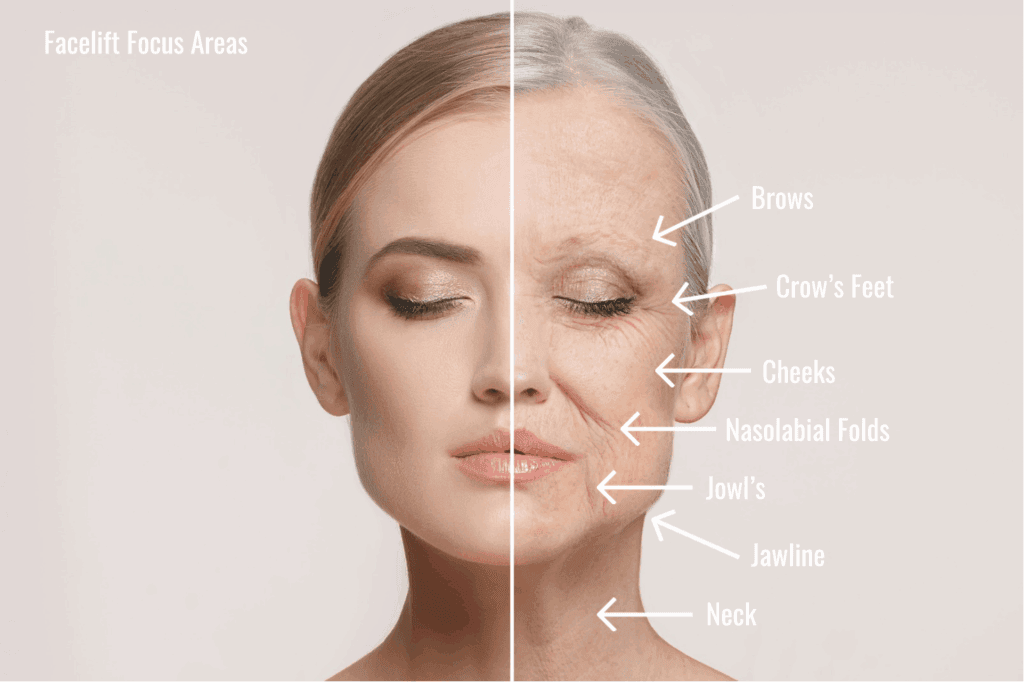
Sagging along the jawline or neck
Deepening nasolabial folds (the lines from nose to mouth)
Loss of cheek volume or facial definition
A tired or “pulled down” appearance, even when you’re well-rested
While these signs often begin in the 40s and 50s, everyone ages differently. Factors like genetics, lifestyle, sun exposure, skin quality, and even the rapid weight loss associated with the growing popularity of GLP medications can all influence how and when aging starts to appear.
What Types of Facelifts Are Available?
It’s important to understand that not all facelifts are created equal. The best approach depends on your unique anatomy, goals, and stage of facial aging.
Some popular options include:
Mini Facelift – Ideal for patients in their 40s or 50s with mild to moderate sagging. Less invasive, shorter recovery.
Quantum Facelift – A comprehensive facelift approach offered at Integrated Aesthetics to effectively target early signs of aging by combining multiple minimally invasive and non-surgical modalities.
Traditional Facelift – Addresses more significant sagging on the entire face. Often paired with a neck lift or fat grafting for volume.
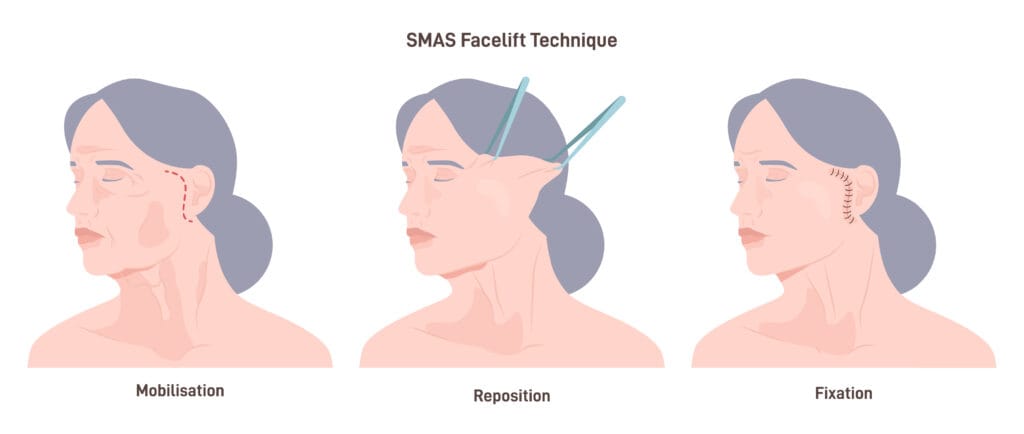
Deep Plane Facelift – A more advanced approach that lifts deeper layers of tissue, including the SMAS (Superficial Musculoaponeurotic System), for longer-lasting and more natural-looking results.
PonyTail Facelift – Follows the same principle as a Deep Plane Facelift but uses an endoscope (surgical camera) to allow for more hidden scars. Great for patients who are afraid of incisions and do not need a lot of skin excision.
What If I’m Not Ready for Surgery Yet?
If a facelift isn’t the right step for you just yet, there are still effective ways to refresh and maintain your appearance with no surgery required. These treatments can help slow visible signs of aging and keep your skin looking lifted, firm, and radiant:
Sofwave/Ultherapy – Uses ultrasound energy to tighten skin on the face and neck.
Dermal Fillers – Restores volume in the cheeks, smile lines, temples, jawlines, lips, and under eyes.
Thread Lifts – A minimally invasive way to lift sagging skin with absorbable threads.
Muscle Relaxers (Botox, Dysport, Xeomin, Daxxify) – Soften expression lines and prevent deeper wrinkles from forming.
These treatments can offer beautiful results on their own or be used to extend the life of a facelift.
Why It Matters to See a Board-Certified Plastic Surgeon
Facial rejuvenation isn’t one-size-fits-all. That’s why it’s critical to consult with a board-certified plastic surgeon like Dr. Cho, who understands both the art and science of facial anatomy. With years of experience and a reputation for natural-looking results, Dr. Cho will help you decide if now is the right time for surgery or if other treatments will serve you better.
Curious If a Facelift Is Right for You? Let’s Find Out—Together.
Whether you’re ready to move forward or simply exploring what’s next, a consultation at Integrated Aesthetics is a great place to start. Dr. Young Cho, Dr. Mihail Climov, or Dr. Melissa Chiang, along with our experienced team, will listen closely, answer your questions, and help you understand all of your options—with honesty, care, and a plan tailored just for you.
Let us help you feel more like yourself again. Schedule your consultation today and take the first step toward feeling truly good in your own skin.
What if you could press a reset button on your brain, one that brings calm, clarity, and control in just 25 minutes? It may sound futuristic, but it’s real.
Meet Exomind, the groundbreaking, FDA-cleared treatment for Major Depressive Disorder (MDD) and mood enhancement. Powered by advanced TMS technology, Exomind delivers rapid, comfortable relief without the inconvenience and discomfort of traditional TMS therapy, allowing you to experience a smarter, smoother path to better mental wellness.
Feeling Overwhelmed by Mental Health Options?
You’re not alone. The world of mental health treatment can feel confusing, overwhelming, and often out of reach. From therapy waitlists to medication side effects, the path to feeling better isn’t always straightforward.
The good news? Exomind is here to simplify, accelerate, and elevate your journey to mental clarity by offering a non-invasive, fast, and research-backed way to feel more like yourself again.
Traditional TMS vs. Exomind: What’s the Difference?
If you have heard of TMS (transcranial magnetic stimulation), you might know that it uses magnetic pulses to stimulate parts of the brain involved in mood regulation. While TMS has helped countless individuals for over 40 years, it comes with some drawbacks, such as long sessions, daily visits, and often a clinical, uncomfortable experience.
Exomind changes that.
Developed by BTL, the same company behind popular treatments like Emface and Emsculpt Neo, Exomind uses next-generation ExoTMS™ technology to deliver the benefits of TMS in a fast and comfortable way with a focus on improving cognitive function and emotional well-being.
How Does Exomind Work?
Exomind specifically targets a region of the brain called the left dorsolateral prefrontal cortex (DLPFC), the area linked to emotional regulation, decision-making, and self-control.
Through gentle, precisely targeted stimulation, Exomind encourages neuroplasticity, which is your brain’s natural ability to rewire and strengthen healthier thought patterns.
Think of it like this:
It’s a brain reboot that clears the fog, eases emotional stress, and helps you think and feel your best, without medications or downtime.
What Can Exomind Help With?
Exomind isn’t just about addressing clinical depression. It’s for anyone looking to feel more balanced, focused, and emotionally resilient. Here’s how it may help:
Emotional stability: Navigate ups and downs with greater ease.
Improved stress response: Stay calm and centered under pressure.
Enhanced focus & motivation: Reignite productivity and goal-setting.
Better decision-making: Improve clarity and confidence in choices.
Stronger relationships: Reduce emotional reactivity and communicate better.
Impulse & craving control: Support for addiction and behavioral patterns.
Mental sharpness: Strengthen your cognitive edge.
General well-being: Feel more content, grounded, and mentally refreshed.
Backed by Studies: Real Outcomes from Real People
While Exomind is a newer technology, early research and clinical observations are already showing impressive results:
Binge Eating Disorder: Participants in one study experienced improved craving control, and up to 84% of participants had weight reduction (2 to 5 pounds) linked to better emotional regulation.
Depression and Mental Wellness: In a study with 33 participants (12 of whom were diagnosed with some degree of depression), significant improvements in emotional well-being were observed over just three months.
Patient Experience: No anesthesia, no medications, no downtime—just a quick outpatient session. Patients report high satisfaction, thanks to the ease and comfort of treatment.
Ongoing studies are exploring even more potential benefits, like improving sleep, reducing chronic stress, and supporting long-term mental health maintenance.
Could Exomind Be Right for You?
You don’t have to wait until you hit a breaking point to prioritize your mental health.
If you’re facing everyday stress, emotional burnout, lack of motivation, or just want to feel more in control of your thoughts and emotions, Exomind offers a proactive, science-backed way to support your well-being.
It’s time to make mental wellness easier to access and maintain.
Ready to Reset?
Exomind is redefining what mental health care can look and feel like. No long treatment schedules. No daily disruptions. Just 30 minutes to start feeling better.
Book a consultation today to find out if Exomind is the right fit for you—and take your first step toward a clearer, calmer mind.
In the world of aesthetics, it feels like there’s always a new buzzword popping up—”skin cycling, “baby Botox, “glass skin”—but lately, facial balancing is the phrase on everyone’s lips. So is this just the latest trend in a long line of cosmetic fads, or is it simply a fresh name for something injectors have been doing for years?
With insights from Dr. Melissa Chiang, we’re breaking down what facial balancing means, how it works, and why small, strategic tweaks can create a major impact. Whether you’re new to fillers or wondering if your lips and chin are speaking the same aesthetic language, this is for you.
What Is Facial Balancing?
Facial balancing is the art (and science) of using dermal filler to create harmony across your features. It’s not about plumping one particular area, like the lips or cheeks, but taking a step back and looking at your face as a whole. With this treatment, we focus on proportion, symmetry, and structure. The goal isn’t to change your face, but to enhance your natural features so they work together more cohesively.
Think of it like editing a photo—you wouldn’t just crank up the brightness in one corner. You’d adjust the whole image to make it look its best.
Why Is Everyone Talking About It Now?
Here’s the truth: facial balancing isn’t new, but the conversation around it is shifting. For years, injectables were approached more like spot treatments. Got thin lips? Fill them. Hollow under-eyes? Add volume. Now, patients are seeking overall enhancement, focusing on structure, definition, and subtle symmetry.
Plus, thanks to social media, people are more aware than ever of how their facial proportions affect how they appear on camera and in real life.
Top Questions Patients Are Asking About Facial Balancing
If you’re filler-curious or trying to decide if facial balancing is right for you, here are some of the most common questions patients are asking:
How is facial balancing different from regular filler?
Facial balancing is a desired outcome from filler injections. We start with the shape of the face (oval, heart, long, square) and then analyze it from the frontal view and the profile. We look at how to increase the harmony of the features.
Will it make me look overfilled?
It will actually make you look more like yourself, since we are putting filler in areas that have lost volume during the aging process, or that have always been deficient (such as a weak chin). We are not limited to one specific area.
Is this only for people over 40?
No, facial balancing is a goal for any age. In patients over forty, we are often trying to balance the sagging of the face by restoring lost volume. In younger patients, we may be trying to address flat cheeks, weak chin, thin lips, or hollow eyes.
Is it permanent?
Most facial fillers last anywhere between 9 to 18 months, depending on the type and area. Maintenance is usually recommended annually, though your treatment plan may vary.
Can I undo it if I don’t like it?
If hyaluronic acid-based fillers are used, yes, they can be dissolved. Always ask your provider about reversibility before treatment.
The Takeaway
Facial balancing is more than just a buzzword; it’s a shift in how we approach injectables. It’s not about overfilling or chasing trends. It’s about subtle, strategic enhancements that work together to highlight your natural beauty.
As Dr. Chiang puts it:
“My goal is to help you look like the most refreshed version of the vision that you have for yourself.”
So if you’ve been curious about fillers but don’t want to look overdone, facial balancing might be your perfect entry point.
Ready to explore a more harmonious you?
Schedule a consultation with Dr. Chiang and our aesthetic team to discover how facial balancing can enhance your best features—no filters required.
Feeling scatter-brained, slow to recall details, or stuck in a mental haze? You are not alone, and you are not without solutions. At Integrated Aesthetics, we embrace leading-edge technology to help you look and feel your best. Our newest regenerative wellness service, Exomind, uses patented ExoTMS stimulation to reactivate key neural pathways, giving you a fast, comfortable way to sharpen your thinking and lift your mood.
Below, we explain six ways Exomind transforms foggy mornings into clear, productive days.
1. Reactivates Your Prefrontal Cortex for Faster, Sharper Decisions
Exomind’s magnetic pulses are precisely calibrated to stimulate the left dorsolateral prefrontal cortex (DLPFC)—the brain’s “CEO” for planning, prioritizing, and impulse control. Within minutes of treatment, regional blood flow and glucose metabolism rise, allowing neurons to fire more efficiently. The result? Crisper judgment, shorter reaction times, and more mental bandwidth to juggle multiple tasks without overwhelm.
2. Clears Persistent Brain Fog So You Can Power Through the Day
Brain fog often stems from underactive neural circuits that leave mental gears “idling.” By increasing synaptic signaling in networks tied to sustained attention, Exomind restores the steady mental hum you need to read, write, or analyze data for hours. Many patients describe the experience as “a dimmer switch turning up the lights” and feel and look more alert, and chores that once felt draining become routine again.
Healthy brains constantly rewire, but stress, aging, and poor sleep slows the process. Exomind boosts levels of brain-derived neurotrophic factor (BDNF), a protein that primes neurons to form new connections. Higher BDNF translates to quicker skill acquisition, better memory consolidation, and a stronger cognitive reserve against future decline.
Clinical studies of ExoTMS showed that over 60% of patients reported noticeable cognitive improvement within three sessions.
4. Lifts Mood and Builds Emotional Resilience Without Medication
Because the DLPFC helps regulate limbic (emotional) circuits, stimulating it can rebalance neurotransmitters linked to low mood and anxiety. Exomind is FDA-cleared for major depressive disorder and shows response rates on par with—and often faster than—traditional Repetitive Transcranial Magnetic Stimulation (rTMS). Patients typically feel calmer and more motivated within two weeks, without the weight gain, sedation, or emotional numbing that can accompany some antidepressants.
5. Reinforces Self-Control to Support Healthy Habits & Addiction Recovery
Stronger executive function means fewer impulsive choices. By dampening “reward-seeking” signals and enhancing top-down control, Exomind helps patients stick to nutrition plans, resist cravings, and stay focused during recovery programs for alcohol, nicotine, or stimulant use. Early research also points to improved metabolic markers—lower cortisol and steadier blood glucose—after a six-session course, giving weight-management efforts an extra boost.
6. Fits Busy Lifestyles: Walk In—Walk Out
Each session lasts under 30 minutes, is non-claustrophobic, and requires no anesthesia or downtime. Our protocol of two treatments per week for three weeks fits seamlessly between work meetings or errands. You can drive yourself home, hit the gym, or jump back into Zoom calls immediately, making Exomind the most schedule-friendly brain-optimization therapy available.
Ready to trade fog for laser-sharp focus? Call Integrated Aesthetics at (281) 404-5454 to schedule your private Exomind consultation in Spring and The Woodlands, TX, and experience clear thinking the innovative way.
Looking for more regenerative wellness treatments? We would be happy to explain our services and help you find the right holistic approach to your aesthetic and wellness needs.
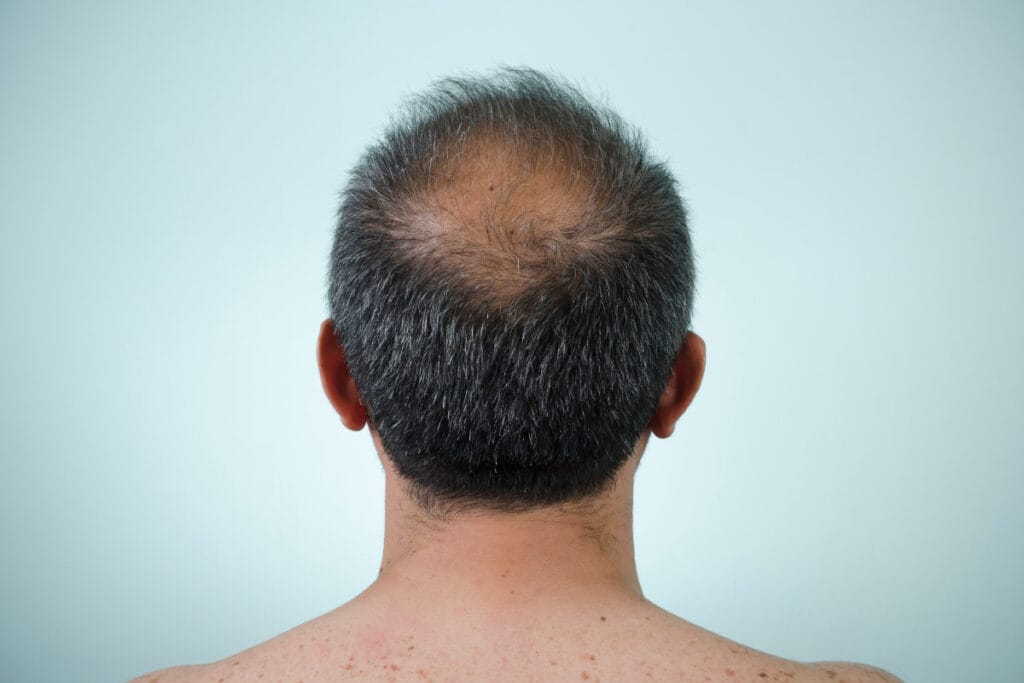
Hair thinning can feel like a blow to your confidence, but you are not out of options even after thinning has set in. At Integrated Aesthetics, our board-certified dermatologist, Dr. Melissa Chiang, and her team take a science-backed, customized approach to hair restoration for men and women. Below, we break down the most effective treatments—and when each makes sense—for different types of hair loss.
1. Start Strong: Topical & Oral Medications for Early-Stage Hair Loss
Medications remain the frontline defense against androgenetic alopecia (hair loss). Topical minoxidil (Rogaine) improves blood flow and prolongs the growth phase of individual follicles for both men and women. Oral low-dose minoxidil is gaining popularity for patients who want to avoid messy daily applications of foams or solutions to the scalp.
If you want to boost density without surgery, platelet-rich fibrin (PRF) and platelet-rich plasma (PRP) injections harness your body’s own growth factors to wake up sluggish follicles. Early studies show that exosome therapy—tiny messenger cells packed with essential proteins—may further amplify regrowth, making it ideal for patients who have plateaued on traditional treatments.
Secretomes With Stem Cell Preservation
At our practice, Acorn Stem Cell Preservation is a ground-breaking new regenerative option that taps into your personal “biological time capsule.” We harvest hair follicles by plucking 50 healthy strands from the back and sides of the head and send them off to Acorn’s lab to cryopreserve the stem cells and convert them into a potent secretome serum containing billions of your own exosomes and growth factors.
Compared with PRP/PRF, the secretome serum offers up to 34 times higher growth-factor levels, giving thinning follicles a powerful nudge back into the growth phase. We apply the serum during microneedling or scalp treatments to improve absorption and send you home with more serum to continue applying for stronger results.
3. The Gold Standard for Advanced Thinning: NeoGraft® FUE Hair Transplantation
When recession or crown thinning is significant, NeoGraft FUE offers the gold standard in natural, permanent hair restoration. We meticulously harvest individual follicular units (hair follicles) from the donor zone (areas of healthy, denser hair) and thoughtfully re-implant them to recreate youthful density and restore a natural-looking hairline—no linear scar, minimal downtime, and lifelong results.
“Dr. Chiang is hands down the best dermatologist I have ever had the pleasure of treating me. She is pleasant, knowledgeable, and is gentle in her treatment approach. She listens to my needs and gave a comprehensive treatment plan that gave natural results. Dr. Chiang also has a best in class support staff. Every single person is genuinely nice, professional and attentive. There’s no wait time and from start to finish, the experience was so amazing!”
—5-star Google review
Combination Therapy: Why One Size Never Fits All
Hair loss rarely has a single cause, so we often blend treatments—medication to halt progression, growth factor therapy to thicken existing strands and promote new growth, and hair transplants to restore density.
There are also other treatments we may recommend incorporating into your personalized procedure plan:
Low-Level Laser Therapy (LLLT): Low-level laser or red-light devices bathe the scalp in photobiomodulation, improving cellular energy and microcirculation. Used consistently, LLLT can complement medical or regenerative therapies, extending the lifespan of newly sprouting hairs.
Stress-Reduction Strategies: One of our newest treatments, Exomind, helps improve several mental health factors, including stress, which may help alleviate stress-related hair thinning. Learn more about Exomind »
Nutrition & Lifestyle Support: Physician-formulated supplements (Nutrafol® is a popular brand) may also be helpful, along with targeted lab testing to correct iron, vitamin D, or thyroid imbalances that can trigger telogen effluvium shedding.
When to See a Dermatologist (and What to Expect)
Aside from seeking hair loss treatments that actually work, red flags like sudden diffuse shedding, bald patches, or associated scalp redness warrant a professional evaluation.
During your concierge visit with dermatologist and hair loss treatment expert Dr. Chiang, she’ll review your medical history, order lab work if needed, photograph the scalp, and map a personalized plan that respects your anatomy, health, and goals.
The key to seeing optimal success with any hair loss treatment relies on your provider’s experience and assessment of why you are losing hair. For example, women dealing with postpartum shedding may require only short-term support, while men with genetic balding often benefit from an ongoing medical-plus-surgical strategy.
Hair Loss Treatments in The Woodlands & Spring, TX
Ready to reclaim thicker, healthier hair? Call Integrated Aesthetics at (281) 404-5454 to schedule your private consultation!
Join us for an exciting in-person event, Shrink, Tighten, and Tone - Powered by InMode,
where we introduce the latest advancements in aesthetic treatments and cutting-edge technology coming to our
practice that are designed to help you look and feel your best!
Thursday, October 17, 2024 ‘Lunch and Learn’ (12PM -1PM) and Happy Hour
(4-7PM)
Accessibility: If you are vision-impaired or have some other impairment covered by the
Americans with Disabilities Act or a similar law, and you wish to discuss potential accommodations
related to using this website, please contact our Accessibility Manager at (281) 247-5142.
Promotions
At Integrated Aesthetics, we offer our clients many ways to accomplish their goals with us through
custom treatment plans and special offers.
View our Specials