Let’s be real, acne is not just a teenage problem. Whether you are dealing with random breakouts or persistent pimples that just will not quit, it can be frustrating and even affect your confidence. And while TikTok skincare trends are fun to try, not all D.I.Y solutions work. In fact, some might be making things worse.
So, how do you know if your skincare routine is helping or hurting? And when is it time to stop experimenting with over-the-counter treatments and see a dermatologist? Let’s break it all down.
What’s Causing Your Breakouts?
So, what exactly is acne? Most of us can recognize it when we see it, but from a dermatologist’s perspective, acne is a condition that affects hair follicles. The hair follicles can become clogged with debris, which includes sebum (oil), bacteria, and dead skin cells. This buildup can lead to various types of breakouts, including:
Red Bumps & Pustules – Inflamed pimples that may contain pus
Deep, Painful Cysts – The kind that lingers for weeks and can leave scars
If your acne is mild (think: a few blackheads and whiteheads), you might be able to manage it at home. But if it’s red, painful, or leaving marks, you may want to change up your skincare routine and maybe even get professional help.
Are You Accidentally Making Your Acne Worse?
Before jumping into treatments, let’s make sure you are not unintentionally sabotaging your skin. Some habits might be worsening your breakouts instead of helping them. If you are dealing with minor blackheads or whiteheads, those small bumps without much redness, you can usually manage them at home with the right skincare routine. However, if your acne is inflamed, deep, or painful, it’s a sign that you should consult a dermatologist to prevent long-term damage like scarring.
Common Acne Mistakes to Avoid
Overwashing your face – Stripping away natural oils can actually trigger more oil production.
Using too many products at once – Mixing multiple acne treatments can irritate and make breakouts worse.
Picking at pimples – We know, it’s tempting. But popping pimples can lead to scarring, which is much harder to treat.
Skipping moisturizer – Maintaining the skin’s hydration is important even for oily or acne-prone skin to stay balanced.
The good news is that by making small changes it can lead to big improvements. While mild acne can often be treated at home, deeper inflammation requires professional care to prevent scarring. A dermatologist can help create a targeted plan to get your skin back on track.
When Should You See a Dermatologist?
If your breakouts are persistent, painful, or leaving scars, it is time to consider professional help. A dermatologist can create a customized plan based on your skin type, lifestyle, and whether your acne is hormonal, inflammatory, or cystic. You should book an appointment if:
Over-the-counter treatments aren’t working after 2-3 months
Your breakouts are deep, and painful, or leave dark spots and scars
Acne flares up around your cycle (hormonal acne)
You suspect an underlying issue like PCOS or Rosacea
Could It Be Something Other Than Acne?
Not every breakout is acne. If your skin is not responding to traditional treatments, it could be something else that mimics acne, such as:
Rosacea – Looks like acne but comes with redness and sensitivity
Perioral Dermatitis – Small red bumps around the mouth, often triggered by skincare or toothpaste
Sebaceous Hyperplasia – Enlarged oil glands that look like small, yellowish bumps
It is important to have a professional evaluation to confirm the diagnosis and develop the best treatment plan for you.
Take Control of Your Skin
Dealing with acne can feel frustrating, but you don’t have to navigate it alone. Whether you need a better at-home routine or prescription-strength treatments, there’s a solution for you. If you are seeking help to manage your acne, book a consultation with our board-certified dermatologist, Dr. Melissa Chiang. We can help you stop stressing over your skin and take the next step toward clear, healthy skin! Let us help you get to the root of your acne problems and take the next step toward clear, healthy skin!
We are in an era where embracing natural beauty is more than just a trend—it is slowly becoming the new norm. And guess what? The world of plastic surgery has aligned itself with this transition.
When you think of breast augmentation, you probably picture the traditional implant look. But what if that is not what you are looking for? If you are looking for a more subtle, natural enhancement, fat transfer breast augmentation could be the perfect option for you. This procedure enhances your curves using your own body fat without the use of implants.
Curious? Keep reading as we break down what fat transfer breast augmentation is, how it is done, the pros and cons, and how it compares to traditional breast augmentation.
What Is Breast Augmentation?
Breast augmentation is a cosmetic procedure that enhances the size and shape of your breasts. There are two ways to achieve this:
Breast Implants: Silicone or saline implants are inserted to increase breast size.
Fat Transfer: Your fat is used to create a fuller, natural look.
Both are very effective options, but it depends on your desired outcome and what your provider feels will provide the best and safest result.
What is Fat Transfer Breast Augmentation?
Fat transfer breast augmentation (fat grafting) is a two-in-one procedure combining liposuction and breast enhancement. Here’s how it works:
Fat is removed from areas like your stomach, thighs, or back using liposuction.
The fat is purified to remove any impurities.
The processed fat is injected into your breasts for a fuller, natural appearance.
This method gives you the best of both worlds in one procedure—enhanced breasts and a sculpted silhouette in one procedure.
Pros and Cons of Fat Transfer Breast Augmentation
Here is a quick look at why it could be a great option and a few things to keep in mind. Let’s discuss the pros and cons to help you decide if this type of breast augmentation is right for you.
Pros: Why You Will Love It
Two-in-One Procedure: You get a breast augmentation plus the benefit of liposuction in one surgery.
Natural Look and Feel: Only use your fat which delivers more natural results compared to implants.
Lower Risk of Rejection: Since your fat is used this lessens the possibility of your body rejecting compared to using breast implants.
Minimal Scarring: The incisions used are much smaller than some incisions used for breast augmentation with implants resulting in smaller/less noticeable scars.
No Implant-Related Complications: No worries about ruptures or capsular contractures.
Long-Term Results: All the fat that survives remains permanently leaving you with lasting results.
No Maintenance Required: Unlike implants, there is no need for future implant-related surgeries, like implant exchange or implant removal.
Cons: Things to Consider
Limited Size Increase: Fat transfer typically boosts your cup by one size. If you want a more dramatic change, implants might be better.
Fat Reabsorption: Some of the transferred fat (20-50%) may not survive, which can lead to uneven results.
Does Not Correct Sagging: If your breasts have significant sagging, a breast lift may be needed alongside the fat transfer.
Longer Recovery: Since liposuction is involved, healing takes longer than an implant-only procedure.
Weight changes may result in a corresponding increase/decrease in breast volume
Not Ideal for Everyone: You need enough excess fat for this procedure to be effective.
Are You a Good Candidate for Fat Transfer Breast Augmentation?
This procedure is not one-size-fits-all. Here are a few factors to consider if you are trying to decide if it is the right choice for you:
You are a Good Candidate If You:
Are in good health and can maintain a stable weight
Have enough fat for liposuction and transfer
Are a nonsmoker (or willing to quit before surgery)
Want a subtle, natural enhancement
You may not be a good candidate if you:
Have very little body fat (not enough for transfer)
Are a smoker (this impairs healing and fat retention)
Is Fat Transfer Breast Augmentation Right for You?
If you are all about enhancing your natural beauty and want fuller breasts without implants, fat-transfer breast augmentation might be your perfect match. Not only does it give you a subtle boost, but you also get the added benefit of liposuction to sculpt your body.
However, if you are looking for a major size increase or do not have enough fat for the procedure, implants might be a better option. The best way to find out is by scheduling a consultation with a qualified plastic surgeon. They will assess your body type, discuss your goals, and help you choose the best option.
Ready to take the next step? Book a consultation today at Integrated Aesthetics and let us help you start your journey toward the natural curves you have been dreaming of!
In your 20s you are concerned with making your way in the world, spending time with your girlfriends (or guy friends), and maybe even seeing the world. Most likely the last thing you are thinking about is the potential wrinkles you could have one day. But as you start to approach your 30s the thought of those lines may come to the forefront and sparks the question: How do I look like this forever? Well unfortunately you can’t be young forever but there are measures you can take to push back those signs of aging. This is where we bring up the topic of preventative Botox.
In this blog, we will chat about what “preventative Botox” means, its benefits, things to consider, and other alternatives to keep your skin looking like you are still living your best 20s.
Botox vs. Preventative Botox
So what is the difference between Botox and Preventative Botox? Botox is typically used to treat existing wrinkles and fine lines by relaxing the muscles that cause them. People usually get it when lines have already formed, especially on areas like the forehead, crow’s feet, and frown lines.
Preventative botox, on the other hand, is used before wrinkles become deeply set. It works by relaxing facial muscles early on, preventing the repetitive movements (like squinting or frowning) that lead to fine lines over time. This is why many people in their mid-to-late 20s start considering it—to delay visible signs of aging.
When Should You Start Preventative Botox?
While there is no magic number, most experts suggest beginning treatments in your mid-to-late 20s or early 30s, depending on your skin type, lifestyle, and genetics. A good indicator is when you start noticing “static lines”— wrinkles that linger even when your face is at rest.
Factors like sun exposure, genetics, and how expressive you are can also play a role in when you might consider starting. If you notice faint forehead lines or crow’s feet lingering longer than before, preventative Botox can help slow things down.
Other factors like sun exposure, genetics, and how expressive you are also play a role. If you’re unsure, book a consult with a qualified injector to find out what’s best for you.
The Benefits of Starting Early
Now you may be wondering: Why start in your 20s or early 30s instead of waiting until your 40s? Here’s why getting ahead of wrinkles can make all the difference.
Stop Wrinkles Before They Start
Wrinkles form from years of repetitive facial movements—like squinting, frowning, and raising your eyebrows. Preventative Botox relaxes those muscles early on, so deep lines don’t have a chance to set in. If you wait until your 40s, those wrinkles may already be etched into your skin, making them harder to smooth out.
Use Less Botox Over Time
When you start early, your muscles don’t get as strong, meaning you’ll likely need fewer Botox units and less frequent treatments compared to someone who starts later. Think of it like skincare—preventing a problem is easier than fixing it!
Keep a Natural, Effortless Look
Starting Botox in your 20s or early 30s allows for a subtle, gradual approach, keeping your expressions natural without a drastic change. If you wait until deep wrinkles appear, you might need higher doses, which can sometimes create a more “done” look.
Slow Down the Aging Process
Botox doesn’t stop aging, but it slows down the visible effects by keeping your skin smooth for longer. Those who start in their 20s or early 30s tend to look fresh and youthful well into their 40s and 50s, while those who start later may need more aggressive treatments like fillers or even surgery later on.
Confidence That Lasts
When you feel good about your skin, it shows. Instead of waiting until wrinkles become a concern, preventative Botox lets you stay ahead of them and feel confident in your skin at every age.
The Best Areas to Treat
Preventative Botox works by targeting the areas where frequent facial movements can lead to early signs of aging. The key? Focusing on the muscles that move the most to stop wrinkles before they even start. Here are the top spots to consider treating:
Forehead Lines
Raising your eyebrows repeatedly can cause horizontal lines to form across your forehead. Even if these lines are barely noticeable now, they can deepen with time.
Frown Lines (“11’s”)
The vertical lines that form between your eyebrows when you frown or concentrate are known as “11s.” These lines can become etched in your skin over time, especially if you often furrow your brow.
Crow’s Feet
Those little lines at the corners of your eyes are a sign of joy—whether you’re laughing or squinting in the sun. But they can deepen with age. Botox in this area smooths out crow’s feet while allowing you to smile and express yourself naturally.
Bunny Lines
Bunny lines are the fine wrinkles that form on the sides of your nose when you scrunch it (think: laughing or sneezing). While these are subtle, early Botox can prevent them from deepening over time.
Lip Lines (“Smoker’s Lines”)
Even if you don’t smoke, fine lines can develop around your lips from everyday movements like sipping or puckering. A small amount of Botox can help prevent these lines from becoming more prominent.
Dimpled Chin (“Orange Peel Chin”)
If you notice a bumpy, textured look on your chin when you tense the area, Botox can help. Treating the chin with Botox can smooth out the muscle contractions and preventing deeper lines.
Things to Consider Before Getting Preventative Botox
Before getting preventative Botox, there are a few things to consider. Ideally, start in your mid-20s to early 30s to prevent wrinkles before they form, but Botox works at any age. Your lifestyle matters too—if you’re exposed to the sun, smoke, or make a lot of facial expressions, you may benefit more. Botox is a long-term commitment, requiring treatments every 3-4 months, so it’s important to budget for it. While the risks are low, choose a licensed professional to minimize any issues. Botox is subtle and gradual, not a drastic change, so be realistic about expectations.
Complements to Preventative Botox
While preventative botox is the only treatment that keeps muscles from creasing the skin, there are other, complementary treatments, which can help to strengthen the skin or maintain the overall health of the skin. Some of those options include:
A healthy lifestyle is key to healthy skin. Protect your self from the sun and pollution, stay hydrated, eat a balanced diet, and sleep!
Topical treatments, including retinoids, antioxidants, and exosomes boost collagen production and help with pigmentation.
Microneedling is a minor procedure that creates micro-injuries to the skin to stimulate collagen and elastin production. These small injuries can improve skin texture, reduce fine lines and help with overall skin tone. For an added benefit try treatments like Morpheus8 which combines microneedling with radiofrequency to do all of the above plus tighten the skin.
Sofwave and Ultherapy are great non-invasive options. Both treatments use ultrasound technology to stimulate collagen production deep within the skin, helping to lift, tighten, and smooth fine lines without injections.
Chemical peels exfoliate the skin by using acids to remove the top layer of dead skin cells, revealing fresher, younger skin underneath. Regular peels can help reduce fine lines and give your complexion a healthy glow.
Preventative Botox is a game-changer for keeping your skin smooth, fresh, and youthful for years to come. Starting now can slow down the aging process. And if injectables aren’t your thing, no worries—there are ways to maintain and strengthen your glow. The key? Find what works for you!
If you are curious about whether preventative Botox is right for you, our expert injectors at Integrated Aesthetics are here to help! Schedule a consultation today and let’s create a personalized plan to keep your skin looking its best now and in the future—invest in your glow!
Aging is inevitable, but who says you can’t age gracefully and with minimal effort? If the thought of major surgery makes you hesitant to tackle fine lines, volume loss, or changes in skin texture, the Quantum Facelift might be your dream solution. This innovative approach to facial rejuvenation combines cutting-edge techniques to address multiple concerns, leaving you looking refreshed and revitalized.
In this blog, we will discover what the Quantum Facelift is, explore its unique benefits, and compare it to traditional facelifts to help you decide if it’s the right choice for you.
What is the Quantum Facelift?
The Quantum Facelift is not just a procedure, it is a revolutionary approach to facial rejuvenation based on Dr. Young Cho’s “5 R’s of Facial Rejuvenation” concept, developed at Integrated Aesthetics. These five categories target various levels of facial aging, combining surgical, minimally invasive, and non-surgical modalities for a truly comprehensive transformation.
Here is how the 5 R’s integrate into the Quantum Facelift:
Relax Muscles (R1): Treat dynamic wrinkles such as frown lines, forehead lines, and crow’s feet with wrinkle relaxers like Botox.
Restore Skin and Tissue Quality (R3): Rejuvenate the skin’s surface with advanced technologies like QuantumRF, Facetite, and/or Morpheus8.
Reposition Tissue (R4): Lift sagging areas with minimally invasive thread lifts like Instalift and MyEllevate.
Reduce Volume (R5): Sculpt the face and neck with Vaser liposuction, QuantumRF, or Facetite.
By addressing multiple layers of aging simultaneously, the Quantum Facelift provides natural-looking long-lasting results with minimal downtime.
“I always have a 5-star experience at Integrated Aesthetics. Dr. Cho and his team are incredibly knowledgeable and stay up-to-date on the latest technology. I wouldn’t go anywhere else and highly recommend them for any type of cosmetic work. On top of their expertise, the entire staff is incredibly kind and helpful, making every visit a pleasant experience.”
—5-star Google review
Unique Benefits of the Quantum Facelift
Comprehensive Rejuvenation: The combination of techniques targets multiple aspects of aging, offering a holistic transformation.
Tailored Treatment Plans: Treatments are customized to each patient’s needs and wants.
Minimal Downtime: Most components of the Quantum Facelift are minimally invasive, allowing quicker recovery than traditional facelifts.
Natural Results: By enhancing your natural features, the Quantum Facelift ensures you look like a refreshed version of yourself.
Preventive Aging Solution: Ideal for those in their 30s to 50s, the Quantum Facelift helps combat early signs of aging before they become more pronounced.
Quantum Facelift vs. Traditional Facelift
If you are wondering how the Quantum Facelift compares to a traditional facelift, here is a side-by-side look:
Quantum Facelift
Traditional Facelift
Combines non-surgical and minimally invasive techniques
Virtually scar-less
Ideal for early to moderate signs of aging
Moderate downtime
Involves surgical procedures
Subtle and hidden scars
Best suited for moderate-to-severe signs of aging
A more extensive recovery period
The Quantum Facelift is typically best for individuals who want significant results without committing to surgery.
Is the Quantum Facelift Right for You?
This procedure is designed for individuals with mild-to-moderate signs of aging. You might be an ideal candidate if you are experiencing any of the following aesthetic concerns:
If you are noticing these changes but aren’t ready for a full surgical approach, the Quantum Facelift offers a specialized solution to help you look and feel your best.
What to Expect During the Quantum Facelift Process
Your journey begins with a personalized consultation at our Spring, TX plastic surgery center. During this session, your provider will assess your skin, facial structure, and specific concerns to create a customized treatment plan. The actual procedure will vary based on the techniques used but typically involves:
Pre-Treatment Preparation
Your provider will explain the process and may recommend pre-treatment skincare to enhance results.
Procedure Day
Based on your personalized treatment plan, various procedures can be scheduled at different times or performed during your Quantum Facelift. Most treatments will take place during the facelift itself, incorporating multiple modalities from the 5R’s concept. The timing and sequence of these procedures are tailored to the treatment plan you and your provider establish.
Post-Treatment Care
Recovery is minimal, but you will be provided with detailed post-care instructions to ensure optimal results.
Ready to Find Out What Quantum Can Do For You?
The Quantum Facelift delivers stunning, natural-looking results without the need for major surgery. Whether you want to soften fine lines, restore volume, or enhance your skin’s texture, this procedure could be the perfect solution for your needs.
Don’t let the signs of aging hold you back from feeling confident in your skin. Schedule your consultation at Integrated Aesthetics today with one of our expert providers and discover how the Quantum Facelift can transform your appearance and change the way you age.
Skincare is for everyone, regardless of your background, skin type, or tone, it is essential to maintaining healthy, glowing skin. However, if you have a darker complexion, you might have faced unique challenges in finding treatments that work for you. Some options can even do more harm than good. Don’t worry—we are here to make finding what’s for you easier. In this blog, we’ll explore how darker skin tones respond to certain treatments, highlight those to avoid, and share safe, effective options at our Spring, TX medspa to help you maintain a radiant and healthy glow.
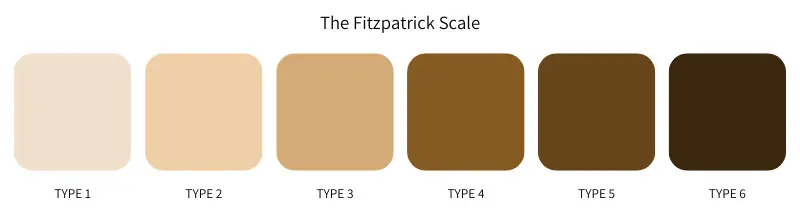
Understanding Darker Complexions with the Fitzpatrick Scale
Let’s start with the basics: What qualifies as a “darker complexion”? The Fitzpatrick Scale is a helpful guide that classifies skin types based on melanin levels—the pigment that gives your skin its color and influences how it reacts to the sun and treatments. Knowing your place on the scale is key to tailoring the right skincare routine.
Type 1: Ivory – Always freckles, burns/peels easily, never tans.
Type 2: Fair or pale – Often freckles, burns/peels, rarely tans.
Type 3: Fair to beige with golden undertones – Sometimes freckles, burns occasionally, may tan.
Type 4: Olive or light brown – Rarely freckles, rarely burns, often tans.
Type 5: Dark brown – Rarely freckles, seldom burns, always tans.
Type 6: Deeply pigmented dark brown – Never freckles, never burns, always tans.
Understanding your Fitzpatrick skin type is essential for avoiding treatments that could irritate your skin or trigger pigmentation changes. Consulting with a qualified provider is key to accurately determining your skin type and tailoring a skincare plan that suits your needs.
Unique Skin Concerns for Darker Complexions
Melanin-rich skin is naturally beautiful but tends to be more susceptible to certain concerns, such as:
Scarring: Higher melanin levels can cause excess or uneven pigmentation during healing, making scars (dark or light spots) more noticeable.
Hyperpigmentation: Dark spots caused by excess melanin production.
Hypopigmentation: Light patches where melanin is reduced, often appearing as stark contrasts on darker skin.
Treatments to Avoid
Not all treatments are skin-tone-friendly. Some can irritate or damage darker skin, leading to unwanted discoloration or scarring as discussed above. Approach these treatments with caution:
Aggressive chemical peels: High-strength peels can cause uneven pigmentation.
Ablative lasers: CO₂ lasers may lead to burns or discoloration.
Intense Pulsed Light (IPL): Can unevenly target melanin, increasing dark spots.
Microdermabrasion: Overly harsh exfoliation can irritate and discolor the skin.
“Jackie gave me the BEST facial & recommended laser genesis for my acne prone skin. She was so gentle with the extractions and explained the entire process while helping me relax. Would highly recommend!”—5-star Google review
Safe Treatments for Darker Skin Tones
The good news is that there are plenty of safe, effective treatments designed to enhance melanin-rich skin without risk. Here are some of our top picks:
Gentle chemical peels: Light chemical peels with ingredients like salicylic or glycolic acid smooth and brighten without irritation.
Injectables: Treatments such as Botox for fine lines, dermal fillers for volume, Skinvive for hydration, and biostimulators for collagen stimulation are all safe for those with darker skin when performed by a skilled provider.
Microneedling or Morpheus8: These treatments are great for boosting collagen, improving texture, and minimizing scars with minimal risk of pigmentation.
Non-ablative lasers: Options like Nd YAG lasers (Laser Genesis) are safe and effective for deeper skin tones.
Topical treatments:Medical-grade skincare with ingredients like niacinamide, hyaluronic acid, or retinoids can help even out skin tone and maintain your overall skin health.
Key Takeaways for Melanin-Rich Skin
Caring for darker skin doesn’t have to be complicated. Begin by educating yourself and partnering with a knowledgeable provider like Dr. Chiang, our board-certified dermatologist here at Integrated Aesthetics, who understands the unique needs of melanin-rich skin. With treatments tailored to your specific skin type, you can safely achieve and maintain a vibrant, glowing complexion.
Remember, your skin is unique and beautiful—embrace it and treat it with the care it deserves!
If only the Fountain of Youth were real, offering a magical sip that would keep us forever young, we would have the ultimate secret to stopping the clock. While aging is inevitable, what if I told you there are a few secrets from a top-tier dermatologist in Spring, TX that can act as your personal fountain for defying aging?
This blog will share timeless tips to enhance and maintain your natural beauty as you age gracefully.
What Does Aging Look Like?
Aging begins subtly but becomes more apparent over time. It often shows itself as:
Fine lines and wrinkles
Sagging and thinning skin
Volume loss
Changes in skin texture and tone
These signs tend to first appear around the eyes, neck, and hands. Why? The skin in these areas is thinner and more delicate, making them early indicators of the aging process. For many, these changes become noticeable in their late 20s and early 30s.
Why Take Preventative Measures?
So why is it so vital to take preventative measures you might ask? Let’s face it, most of us want to feel youthful inside and out for as long as possible. By taking proactive steps to care for your skin, it can make a world of difference in delaying visible signs of aging. By understanding how to maintain your skin’s health, you set the stage for aging with confidence.
Simple Yet Timeless Secrets to Minimizing Signs of Aging
1. Stick to a Balanced Diet
Your skin is a reflection of what you eat. A diet rich in antioxidants, vitamins, protein, and healthy foods can work wonders for your complexion. Also, don’t forget to stay hydrated! Drinking plenty of water helps flush out toxins and plump up fine lines and wrinkles for a fresh, youthful glow.
2. Make Positive Lifestyle Choices
Get Enough Sleep: Beauty sleep is not a myth! Proper and sufficient rest allows your skin to repair and rejuvenate.
Manage Stress: Chronic stress can accelerate aging, so practice mindfulness, yoga, or meditation to keep it in check.
3. Establish a Consistent Skincare Routine
Your skincare routine should be your daily ritual. Here’s a simple framework to follow:
Morning: Cleanse, moisturize, and apply SPF.
Night: Cleanse, use a retinol product, and moisturize.
Looking for more targeted solutions? Add products like Vitamin C serums to brighten and rejuvenate or incorporate cutting-edge exosome technology like Plated to repair and restore your skin’s vitality.
4. Incorporate Professional Treatments
Sometimes, a little extra help goes a long way. Consider these dermatologist-approved treatments:
Biostimulators: Products like Radiesse or Sculptra can help maintain your collagen levels and promote a youthful appearance.
Start Early, Age Gracefully
It is never too early, or too late, to start adding these secrets into your routine. In fact, by building a strong foundation sooner than later, you will find it easier to embrace aging with grace and ease.
If you are interested in learning more tips, schedule a consultation with our board-certified dermatologist, Dr. Melissa Chiang, or one of our expert providers at Integrated Aesthetics. Together, we will craft a personalized anti-aging treatment plan tailored just for you—your very own Fountain of Youth.
Your sexual wellness can be a tough topic to talk about, but it plays a significant role in your life even if it is not often discussed. What if there was a way to address common concerns like urinary incontinence, weakened pelvic floor muscles, and even core strength, all at once? With Emsella, a revolutionary non-invasive treatment, you can take back control of your sexual wellness and become a stronger, more confident you.
In this blog, we will uncover what Emsella is, how it works, and the incredible benefits it can offer for both men and women looking to improve their health and vitality.
What is Emsella?
Emsella is a non-surgical solution designed to strengthen weakened pelvic floor muscles which is the root cause of many issues like urinary incontinence, both stress and urge-induced, reduced sexual satisfaction, and even poor core stability. By using High-Intensity Focused Electromagnetic (HIFEM) technology, Emsella delivers thousands of kegel-like contractions during one treatment.
These deep muscle contractions work to restore function at a neuromuscular level, helping to rebuild strength and support where it matters most. The HIFEM technology can also help to desensitize the bladder wall thereby reducing symptoms of urge urinary incontinence.
Why Is a Strong Pelvic Floor So Important?
The pelvic floor muscles are essential for supporting core stability, controlling bladder and bowel movements, and enhancing sexual function and satisfaction. However, factors such as childbirth, menopause, weight fluctuations, aging, or even a sedentary lifestyle can weaken these muscles over time. When compromised, this can lead to urinary incontinence (such as leakage during sneezing, laughing, or exercising), reduced sexual satisfaction, and weakened core stability, which can cause poor posture and an increased risk of injury. Emsella offers a powerful solution to these challenges, helping you to live a better and stronger life.
Key Benefits of Emsella
Now that you know just what and how Emsella works, you may be wondering what it can do for you. With Emsella there are plenty of benefits, here are just a few of its remarkable benefits:
Reduce urinary incontinence: Regain control of your bladder.
Quick and easy treatment: Six 30-minute sessions (twice a week) with no downtime.
Comfortable experience: Treatments are non-invasive and performed fully clothed.
Restore pelvic muscle strength: Improve core stability and function.
The Bigger Benefits
Emsella is not just about treating incontinence, it’s about transforming your overall wellness. While most commonly used for women, men can also experience significant benefits. For men, Emsella can address urinary incontinence and help with pelvic floor-related issues, such as improving blood flow to the penis which is important to achieve and maintain erections.
Furthermore, for both men and women, Emsella can have a lot of other life-changing benefits. Some of the additional benefits of Emsella include:
A boost to overall confidence and quality of life.
Emsella can even be combined with complementary treatments to enhance its benefits. For women, options include the O-Shot and UltraFemme360, while men may benefit from the P-Shot and Z-Wave. These additional modalities can work hand-in-hand to further boost the benefits of Emsella.
Is Emsella Right for You?
If you are dealing with urinary incontinence, weakened pelvic floor muscles, or concerns about sexual wellness and core strength, Emsella may be the perfect solution for you. This innovative solution is designed to strengthen pelvic muscles and help you regain control, confidence, and overall wellness.
Are you curious if Emsella is right for you? We encourage you to schedule a consultation with one of our qualified providers here at Integrated Aesthetics today. Let us help you determine how Emsella can transform your wellness and bring you closer to a stronger, healthier, and more empowered you.
This year, don’t just invest in a gym membership to kickstart the “new you”. At Integrated Aesthetics, we offer specialized weight loss memberships designed to assist with your weight loss journey to deliver life-changing results. In this blog, we will discuss the value and benefits of membership, what your membership would look like, and your treatment options to reach your goals.
How Our Weight Loss Membership Can Benefit You
You might be wondering how our weight loss membership stands out from any others. Well, we have a few unique benefits that make ours so valuable here at Integrated Aesthetics. Those benefits include:
Access to Proven Weight Loss Medications: Benefit from popular medications like semaglutide and tirzepatide, both of which are effective for weight loss.
Guided Treatment Plans: Receive personalized plans from expert plastic surgeons and providers to address both weight loss and aesthetic concerns.
Our treatment plans go beyond focusing on weight. We focus on body composition with particular emphasis on preserving and/or building muscle.
Exclusive Discounts: Enjoy discounts on a wide range of aesthetic and injectable treatments, as well as skincare products.
Overall, our weight loss memberships offer personalized plans, regular check-ups, expert guidance, and access to powerful weight loss medications. With ongoing support, accountability, and the latest technology, we are committed to helping you achieve and maintain long-term success.
Semaglutide: A proven injectable medication that targets GLP-1 receptors, it’s a reliable option for weight loss with fewer side effects.
Tirzepatide: This medication targets both GLP-1 and GIP receptors, often leading to greater weight loss. While it may cause slightly more side effects, it can deliver stronger results, particularly for those seeking enhanced blood sugar control and significant weight loss.
Why One May Be Better Than the Other:
Tirzepatide may be better suited for individuals seeking more substantial weight loss or improved blood sugar control.
Semaglutide could be ideal for those who prefer a proven, effective solution with minimal side effects.
Choosing the right treatment depends on your unique medical needs, preferences, and tolerance. Our weight loss membership ensures you will receive a personalized treatment plan tailored to your needs, with monthly check-ups to keep you on track and optimize your weight loss journey.
What to Expect from Your Weight Loss Membership
Your treatment plan is designed to help you lose weight safely and effectively while minimizing side effects, and as part of our membership program, your journey to weight loss will follow a personalized path tailored to your unique needs. Here’s what you can expect:
Initial Consultation: During your first appointment, your provider will assess your medical history, weight loss goals, and overall health to create a customized plan. You’ll also receive an InBody body composition scan to measure your starting point.
Starting Dose: GLP medications are typically administered as a once-weekly injection. A lower dose is used initially to reduce side effects, like nausea.
Dose Titration: Over time, the dose will be gradually increased to ensure consistent progress and allow your body to adjust to the medication.
Progress Monitoring: Regular check-ups, usually once a month, to track weight loss, and changes in body composition, assess any side effects, and adjust dosing as needed.
Lifestyle Support: Along with the medication, your plan will include guidance on nutrition, exercise, behavior changes, and treatments such as Emsculpt Neo to enhance your results.
Ongoing Adjustments: Depending on your progress, your provider may make any necessary adjustments to your plan based on your progress, ensuring continued success.
Choosing the Right Membership for You
Now that you have a clearer understanding of our weight loss memberships, it is time to discover which option is the best fit for you. If you are ready to learn more about our memberships or weight loss, schedule a consultation today with one of our expert providers at Integrated Aesthetics. Let us help you create a “New You” this New Year.
As the new year approaches, many of us reflect on ways to refresh and rejuvenate not only our goals but also how we present ourselves to the world. If you have noticed tired, droopy eyelids or puffiness that don’t match how you feel inside, it might be time to consider blepharoplasty, also known as eyelid surgery. This often-underrated procedure is your opening to step into the new year with a brighter, more youthful appearance that reflects the you that you see inside.
What Is Blepharoplasty?
Blepharoplasty is a surgical procedure designed to enhance the appearance of the eyelids. Whether you are addressing sagging skin on the upper eyelids, puffiness bags under the eyes, or both, this procedure can help restore a more refreshed and alert look.
Upper Eyelid Surgery: Corrects drooping skin that may impair vision or create a tired appearance.
Lower Eyelid Surgery: Targets under-eye bags, puffiness, and wrinkles for a smoother, more youthful look.
Quad Eyelid Surgery: Addresses any of the above concerns by combining the upper and lower eyelid surgery in one procedure.
If you are not ready to take the surgical route to enhance the appearance of your eyelids, here at Integrated Aesthetics we offer a range of non-surgical treatments to handle these concerns. These minimally invasive options can help you achieve noticeable results without the need for surgery. Some of the procedures available include:
Micropunch Blepharoplasty: This minimally invasive procedure combines a skin-tightening chemical peel with micro-punches to lift and firm the eyelids, giving a naturally refreshed, lifted look without surgery.
Wrinkle relaxers: Temporarily relax the muscles around the eyes to smooth out fine lines, reduce crow’s feet, and lift the brows.
Dermal Filler: Restores volume to the under-eye or upper-eye areas, smooths out hollows or dark circles, and lifts sagging skin. By plumping the skin, fillers can reduce the appearance of puffiness and bags under the eyes.
Sofwave and Ultherapy: Uses advanced ultrasound technology to stimulate collagen production and tighten the skin around the eyes. This treatment targets both the upper and lower eyelids to reduce sagging, smooth fine lines, and improve skin elasticity for a subtle lift.
Laser Treatments (fractional CO2, Morpheus8): Enhance collagen production and tighten skin.
Thread Lifts (eyebrow): Offer a minimally invasive alternative to surgical blepharoplasty by lifting and tightening the skin around the eyes.
Why Consider Blepharoplasty?
Your eyes are one of the first areas to show signs of aging, often making you look older or more fatigued than you feel. Blepharoplasty can take care of various concerns, including:
Excess skin creates a heavy or droopy look.
Under-eye bags that resist creams and lifestyle changes.
Impaired vision that is caused by sagging upper eyelids.
Wrinkles and fine lines around the eyes for a smoother, rejuvenated appearance.
Benefits of Blepharoplasty
This procedure is not just about aesthetics, it can also improve your quality of life. Some key benefits include:
Enhanced vision: Removing excess skin from the upper eyelids can improve your range of vision.
Regain confidence: A refreshed appearance can help you feel more confident in your everyday life.
Lasting results: Blepharoplasty offers long-term improvements, with many patients enjoying their results for years.
Minimal visible scarring: Incisions are carefully placed in natural creases, making scars nearly invisible once healed.
Who Is a Good Candidate?
Blepharoplasty is ideal for individuals who are in good health and want to address the physical or functional issues related to their eyelids. You may be a great candidate if:
You have excess skin or puffiness around your eyes.
Your drooping eyelids are obstructing your vision.
You’re seeking a long-lasting solution to tired or aged eyes.
You have realistic expectations and a commitment to post-surgery care.
What to Expect from the Procedure
Blepharoplasty is typically performed on an outpatient basis and can be done under local anesthesia with oral or IV sedation or general anesthesia. Your doctor may also evaluate your brow position as this may contribute to the excess upper lid laxity. A brow lift can be combined with your blepharoplasty procedure. Recovery time is relatively short, with most people returning to normal activities within 1-2 weeks. Common recovery milestones include:
Initial swelling and bruising subsided within the first two weeks.
Full results will be visible in 4-6 weeks as healing progresses but will continue to mature over the next several months.
Why the New Year Is the Perfect Time
The new year is all about fresh starts, making it the ideal time to invest in yourself. A blepharoplasty can help you look as energized and vibrant as possible, setting the tone for a year of confidence and self-assurance. Plus, winter weather and holiday downtime often provide the perfect conditions for a smooth recovery.
Ready to See a New You?
If you are ready to rejuvenate your appearance and welcome the new year with a brighter, more refreshed look, a blepharoplasty might be the perfect solution. Schedule a consultation with one of our expert providers here at Integrated Aesthetics today to learn more about how this procedure can help you transform your look this year.
Winter brings cozy sweaters, hot cocoa, and unfortunately…dehydrated skin. While the colder season has charm, it can also wreak havoc on your skin. Dehydrated skin appears dull and may have fine lines and wrinkles; it can also feel tight and itchy.
But here’s the good news: dehydrated skin is temporary, and with the right skincare routine and general lifestyle habits, you can restore your skin’s glow! Below, learn the differences between dry and dehydrated skin, common winter skin issues, and tips to keep your skin healthy and hydrated throughout the season.
Dry Skin vs. Dehydrated Skin: Know the Difference
It’s easy to confuse dry skin with dehydrated skin, but it’s important to know that they are not the same:
Dry skin is a skin type that doesn’t secrete enough oil and often requires ongoing care.
On the other hand, dehydrated skin is a temporary condition caused by a lack of moisture. Even oily skin types can become dehydrated. The good news is that dehydrated skin is completely treatable with the right approach once you understand what causes it and how to address it.
“I recently had a dermal infusion facial with the esthetician, Shelly. She was amazing! Shelly explained what she would be doing and made sure I was comfortable the entire time. Shelly was very kind and the treatment was amazing! My skin was so smooth and glowing afterward. I will definitely be back to see Shelly soon!!! If you want great skin call Shelly today to set up an appointment!”
—5-star Google review
Causes of Dehydrated Skin in Winter
Wondering why your skin feels tighter and duller during winter? Here are some of the main reasons:
Climate Changes: When temperatures drop, so does humidity. This lack of moisture in the air leaves your skin feeling parched.
Indoor Heating: The warm air indoors may feel comfortable, but it strips the moisture out of your skin, contributing to dryness and dehydration.
Hot Showers: Hot water may feel great when it’s cold outside, but it can also dehydrate your skin by stripping away its natural oils. Lower the water temperature and shorten your shower time to help.
Aging: As you age, your skin naturally becomes thinner and produces less oil, making it more susceptible to dehydration.
Unhealthy Diets: Indulging in your favorite treats and sweets may be satisfying, but these sugary and processed foods can affect your skin’s hydration levels as well.
Lifestyle Choices: Certain activities like smoking, drinking alcohol, or too much caffeine deplete the skin’s moisture and can make dehydration worse all year round, especially during the winter months.
Signs of Dehydrated Skin: What to Look For
How do you know if your skin is dehydrated? Here are some tell-tale signs:
Lack of Water: Your skin feels dry and tight, which is a clear indicator that it is lacking hydration.
Dull Appearance: Dehydrated skin often looks dull and lacks that healthy glow.
Tight, Itchy, Scaly, and Sensitive: Your skin might feel uncomfortable, flaky, and more sensitive than usual.
Lack of Radiance: Your skin may lose its usual vibrancy and feel less comfortable.
Fine Lines and Wrinkles: Dehydrated skin can emphasize fine lines and under-eye bags, making you appear older.
“As always my experience was 10/10. I am not usually a facial girl but the Diamond Facial was wonderful. They always go the extra mile. Every experience is personal and never rushed.”
—5-star Google review
Winter Skincare Tips to Keep Your Skin Hydrated
Combatting dehydrated skin during the colder months requires a combination of good skincare habits and lifestyle changes. Here are some tips to keep your skin hydrated:
Create a Winter Skincare Routine: Adjust your routine for the season by using thicker moisturizers, hydrating serums, and more gentle cleansers to protect your skin’s moisture barrier and lock in moisture.
Stay Hydrated and Maintain a Balanced Diet: Healthy, glowing skin starts from within. Drink plenty of water and eat a balanced diet rich in fruits and vegetables to support skin hydration.
Consider Injectable Treatments: Treatments like HA+ fillers (i.e. Restylane) or Skinvive can help boost hydration from within, plumping up the skin and reducing the appearance of fine lines.
Professional Facial Treatments: Try a rejuvenating professional facial such as a Diamond Glow facial, which exfoliates and infuses hydrating serums into your skin, leaving it refreshed and radiant.
Struggling with dehydrated skin this winter? Schedule a consultation with our board-certified dermatologist, Dr. Chiang, or book a skincare assessment with one of our expert aestheticians at Integrated Aesthetics. We’ll help you create a personalized winter skincare routine to keep your skin healthy and glowing all season long. Call (281) 404-5454 to get started today!
Join us for an exciting in-person event, Shrink, Tighten, and Tone - Powered by InMode,
where we introduce the latest advancements in aesthetic treatments and cutting-edge technology coming to our
practice that are designed to help you look and feel your best!
Thursday, October 17, 2024 ‘Lunch and Learn’ (12PM -1PM) and Happy Hour
(4-7PM)
Accessibility: If you are vision-impaired or have some other impairment covered by the
Americans with Disabilities Act or a similar law, and you wish to discuss potential accommodations
related to using this website, please contact our Accessibility Manager at (281) 247-5142.
Promotions
At Integrated Aesthetics, we offer our clients many ways to accomplish their goals with us through
custom treatment plans and special offers.
View our Specials