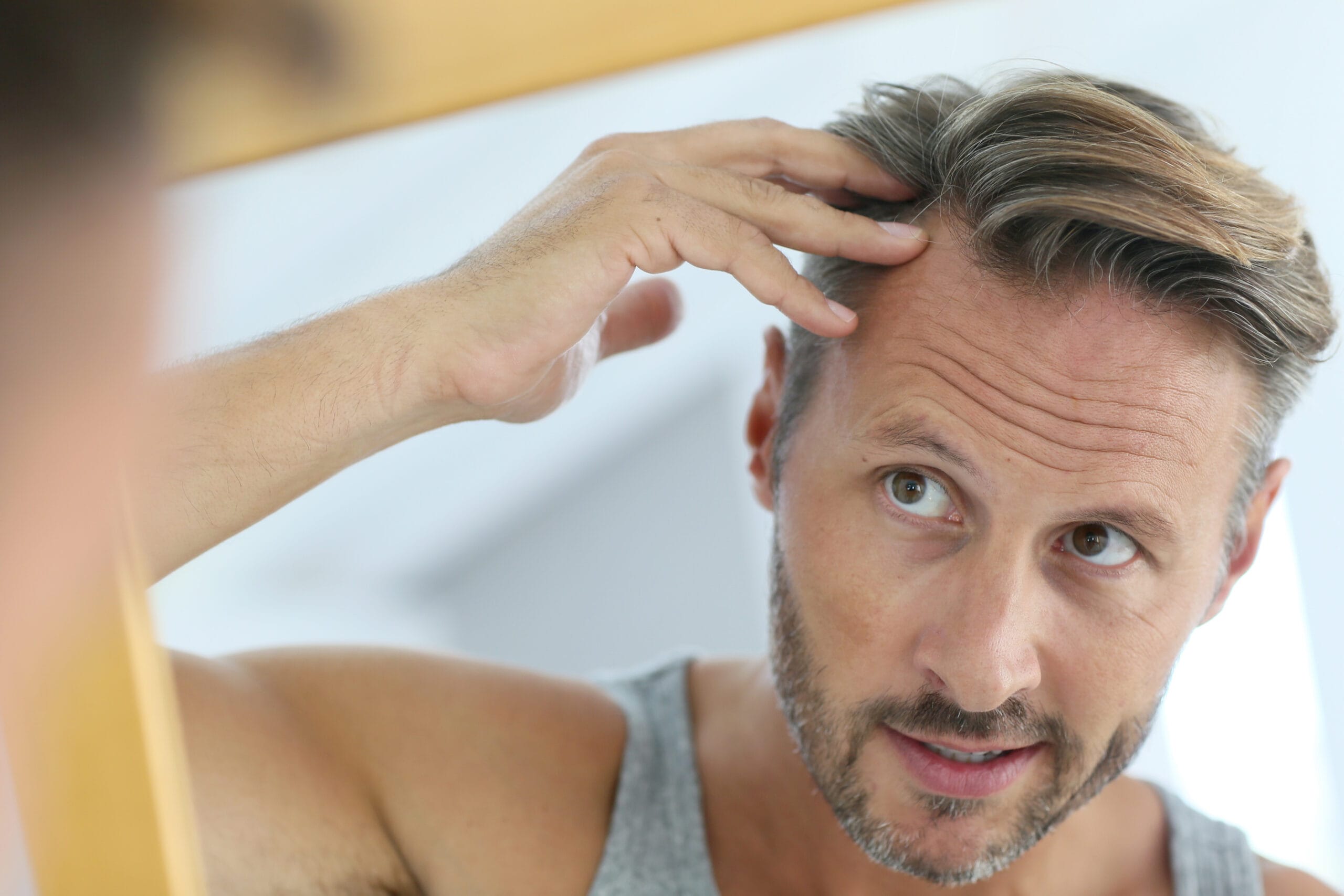
Hair loss affects millions of men, but when you’re the one seeing more hair in the shower, noticing a wider part, or spotting a thinning crown in photos, it feels personal. Many men assume hair loss is something they “just have to live with,” but today we understand the root causes better than ever, and that means better solutions.
At Integrated Aesthetics, our approach to hair restoration starts with patient education. Understanding why hair loss is happening is the foundation for creating a custom treatment plan that supports long-term results.
Below, we break down the top causes of male hair loss, what each one looks like, and what it means for treatment.
Male Pattern Baldness (Androgenetic Alopecia)
This is the most common cause of hair loss in men, accounting for up to 95% of all cases. Male pattern baldness is driven by a combination of genetics and a sensitivity to DHT. Over time, DHT causes hair follicles to shrink, grow thinner strands, and eventually stop producing hair.
How it shows up:
- A receding or “M-shaped” hairline
- Thinning at the crown
- Overall loss of density across the top of the scalp
- Gradual progression over the years
Why early action matters:
Hair follicles don’t die overnight; they shrink slowly. Hair restoration treatments are most effective when follicles are still active, even if they’re producing fine or wispy hairs. By being proactive, early intervention can:
- Slow down hair follicle shrinkage
- Stabilize shedding
- Restore thicker, healthier strands
Due to this type of hair loss following a predictable pattern, many men begin to see signs in their 30s and 40s, making proactive care key.
Stress-Related Shedding (Telogen Effluvium)
Stress doesn’t just have an effect on your mental health; it can also affect your hair growth cycles. In times of physical or emotional stress, your body directs energy towards necessary functions and away from hair growth. This causes hair follicles to enter the “resting” phase too early.
Common triggers include:
- Illness or surgery
- Intense emotional stress
- Significant weight changes
- A demanding work or travel schedule
- Recovery from an infection
How it shows up:
- Rapid shedding
- Increased hair shedding in the shower or on your pillow
- Overall hair thinning rather than patterned loss
- Occurs 2 to 3 months after the stress trigger
The good news is that this type of hair loss is usually temporary, and follicles typically recover. However, stress-related shedding can expose or accelerate genetic thinning, which is why a professional evaluation helps determine whether both are happening simultaneously.
Nutritional Deficiencies
Hair is one of the fastest-growing tissues in the body, which means it requires a steady supply of nutrients. Even small deficiencies can affect hair growth and strength.
Key nutrients linked to hair health:
- Iron: supports oxygen delivery to hair follicles
- Vitamin D: essential for hair follicle cycling
- Zinc: Involved in DNA repair and hair protein structure
- Protein: Builds the main component of hair, Keratin
If you’re noticing that your hair feels brittle, breaks easily, or seems thinner across your entire scalp, especially if you’ve recently started a restrictive diet or changed your eating habits, nutritional deficiencies may be playing a role. Supporting your body with balanced nutrition and targeted supplementation not only strengthens your hair from within but can also significantly enhance the results of both surgical and non-surgical hair restoration treatments.
Medications and Medical Treatments
Several commonly prescribed medications can cause or contribute to shedding. Some of the potential culprits include:
- Blood pressure medications
- Antidepressants
- Anticoagulants (blood thinners)
- Testosterone-suppressing or hormone-altering therapies
- Acne medications (such as Accutane)
- Chemotherapy
The reason these medications can have this effect is that they disrupt the normal hair growth cycle of hair follicles, pushing hairs prematurely into the shedding phase. If you experience hair loss shortly after starting a new medication, it’s important to bring this up during your consultation. Being that sometimes shedding is temporary, while other times additional treatment is recommended to strengthen the hair follicles.
Hormonal Imbalances
Your hormones play an essential role in regulating hair growth, and they naturally shift as men get older. Some common hormonal causes of hair loss include:
- Low testosterone
- Thyroid disorders (hypo- or hyperthyroidism)
- Elevated DHT levels
You may notice symptoms such as thinning of the hair or beard, fatigue, decreased energy, unexpected weight changes, or shifts in mood. Addressing the underlying hormonal imbalance not only supports healthier hair growth but also improves your overall health and well-being.
Traction Alopecia (Hair Loss from Tension)
This form of hair loss is associated with repeated tension on the hair, which damages the follicles over time. While this is often seen in individuals with longer hair, it affects men more than you think.
Common causes include:
- Tight ponytails or man buns
- Helmets worn for long periods
- Consistent hair tension
- Aggressive brushing or styling
This type of hair loss typically shows up as thinning around the hairline or temples, small areas of breakage, soreness, or sensitivity at the scalp. Addressing the cause of stress early allows follicles to recover before the damage becomes permanent.
Scalp Conditions
Having and maintaining a healthy scalp is essential to having healthy hair. Chronic inflammation or buildup can interfere with the follicle’s ability to produce strong, full strands.
Conditions that may contribute to hair loss:
- Psoriasis
- Seborrheic dermatitis
- Folliculitis
- Fungal infections
Some possible clues to look for are itching or flaking, redness or irritation, greasy or scaly patches, and tenderness or small bumps. Treating conditions helps create an ideal environment for hair restoration treatments to work effectively.
Autoimmune-Related Hair Loss (Alopecia Areata)
This form of Alopecia causes the immune system to mistakenly attack hair follicles, causing sudden round patches of hair loss. Characteristics to look for are smooth bald spots, rapid onset, hair loss on the scalp, beard, or eyebrows, and may come and go over time.
While this form of hair loss can be unpredictable, it is often manageable with a combination of medical therapies and regenerative treatments. Options such as PRP or PRF injections, exosome therapy, and low-level laser therapy can help reduce inflammation, support follicle recovery, and encourage regrowth.
Natural Aging
Even without genetics or medical factors, age alone can impact hair loss. As we age, follicles become less active and produce finer, shorter hairs.
Typical signs of age-related thinning:
- Reduced density
- Finer texture
- Slower growth
- More visible scalp
This process is gradual but can be improved with targeted treatments that energize and strengthen follicles as they age.
Hair Restoration at Integrated Aesthetics
At Integrated Aesthetics, we offer comprehensive, customized solutions for men experiencing hair loss, including both surgical and non-surgical options designed to treat the root cause and support long-term hair health.
Our focus on hair loss includes:
- Accurate diagnosis
- Scalp and follicle health optimization
- Regenerative therapies
- Surgical hair restoration, such as Neograft, when appropriate
- Ongoing maintenance and prevention treatment plans
A personal and optimized treatment plan allows men to achieve the most natural-looking, long-lasting results.
Schedule Your Hair Restoration Consultation
If you’re noticing shedding, a receding hairline, or thinning that’s becoming hard to ignore, early action makes a significant difference.
Schedule your consultation at Integrated Aesthetics in Spring or The Woodlands, TX, to learn what’s causing your hair loss and explore the most effective solutions for restoring thickness, density, and confidence.