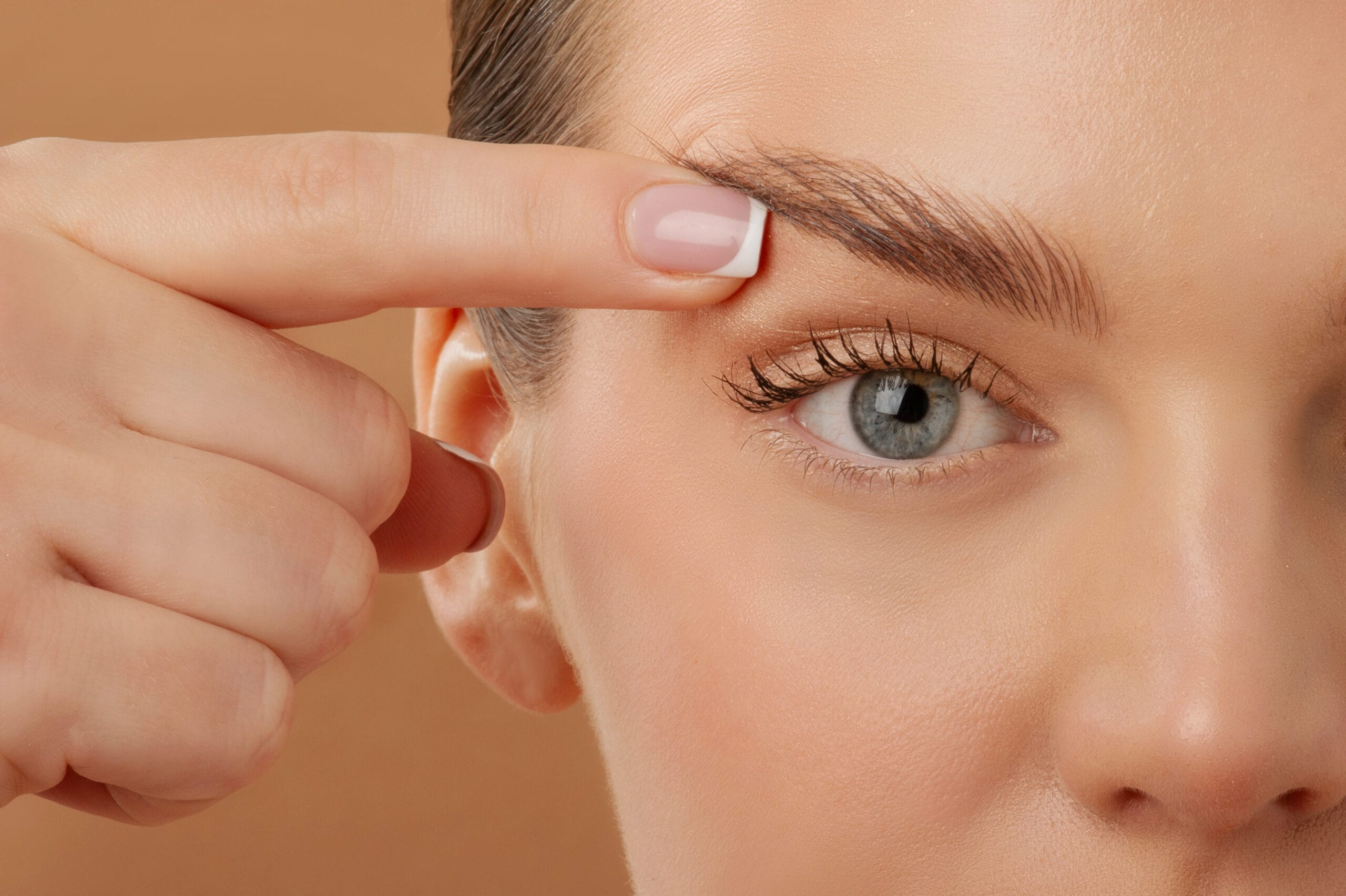
If you’re frustrated by crepey eyelid skin or wondering whether surgery is your only option, you’re not alone. Today, we’re comparing two powerful approaches: Micropunch Blepharopeeling and Blepharoplasty. They’re not competitors—they’re complementary. Here’s what you need to know.
What Is Micropunch Blepharopeeling?
Micropunch Blepharopeeling is a skin-focused rejuvenation technique that combines:
- Micropunch removal of tiny sections of sagging skin
- A deep croton oil + phenol peel for scarless healing and collagen stimulation
Benefits include:
- Smoother texture
- Tighter, firmer skin
- Lightened pigment and reduced dark circles
Treatment areas: Upper eyelids, lower lids, and crow’s feet.
Why the Controversy?
Some surgeons worry that this technique competes with blepharoplasty. The truth? They address different problems:
- Micropunch Blepharopeeling regenerates and tightens skin
- Blepharoplasty corrects deeper structural issues like excess skin, muscle laxity, and fat herniation
Understanding this difference is crucial for selecting the appropriate treatment.
Micropunch vs. Blepharoplasty: Quick Comparison
Micropunch Blepharopeeling is best for:
- Thin crepey eyelid skin
- Mild pigmentation or dark halos
- Surface texture changes
Blepharoplasty is best for:
- Significant excess skin
- Muscle laxity
- Fat herniation (“puffiness”)
- Eyelid droop or asymmetry
Bottom line: Micropunch improves skin quality. Blepharoplasty fixes structure.
Ideal Candidates for Micropunch
- Crepey upper eyelid skin resistant to skincare or Botox
- Mild pigment or dark circles
- Fitzpatrick skin types I–III
- No true ptosis or fat prolapse
If you have lid droop or vision obstruction, surgery may be necessary.
Recovery: What to Expect
Micropunch Blepharopeeling:
- Days 1–14: Crusting, oozing, peeling
- 2 weeks: Fresh pink skin
- 1–6 months: Redness fades as collagen remodels
(“Three months of redness is worth ten years of collagen!”)
Blepharoplasty:
- About 2 weeks of swelling/bruising
- Pinkness may linger if combined with resurfacing
Risks & Skin Type Considerations
- Best for lighter skin tones (Fitzpatrick I–III)
- Phenol can lighten skin; darker types may see temporary hyperpigmentation
- When done correctly, micropunch leaves no visible scars
Can You Combine Blepharoplasty & Micropunch Blepharopeeling?
Absolutely—and often that’s the gold standard.
- Blepharoplasty restores shape
- Micropunch improves texture and tone
How to Choose the Right Treatment
Ask yourself:
- Is my concern skin quality or lid structure?
- Do I want smoother, tighter skin or a reshaped contour?
- How much downtime can I handle?
Often, the best results are achieved by combining both approaches.
The Takeaway
Micropunch Blepharopeeling is not a replacement for blepharoplasty—it’s a powerful complement for patients focused on skin quality. If you’re considering eyelid rejuvenation, schedule a consultation at Integrated Aesthetics in Spring & The Woodlands, TX. We’ll help you choose the safest, most effective plan for your eyes.
Dr. Melissa Chiang and Dr. Young Cho break down micropunch blepharopeeling—one of today’s most talked-about non-surgical eye rejuvenation treatments. In this video, they compare it to traditional blepharoplasty, discuss who’s a good candidate, and explain why the technique is gaining so much attention. A great watch if you’re exploring non-surgical eye lift options or trying to decide between a peel and surgery.