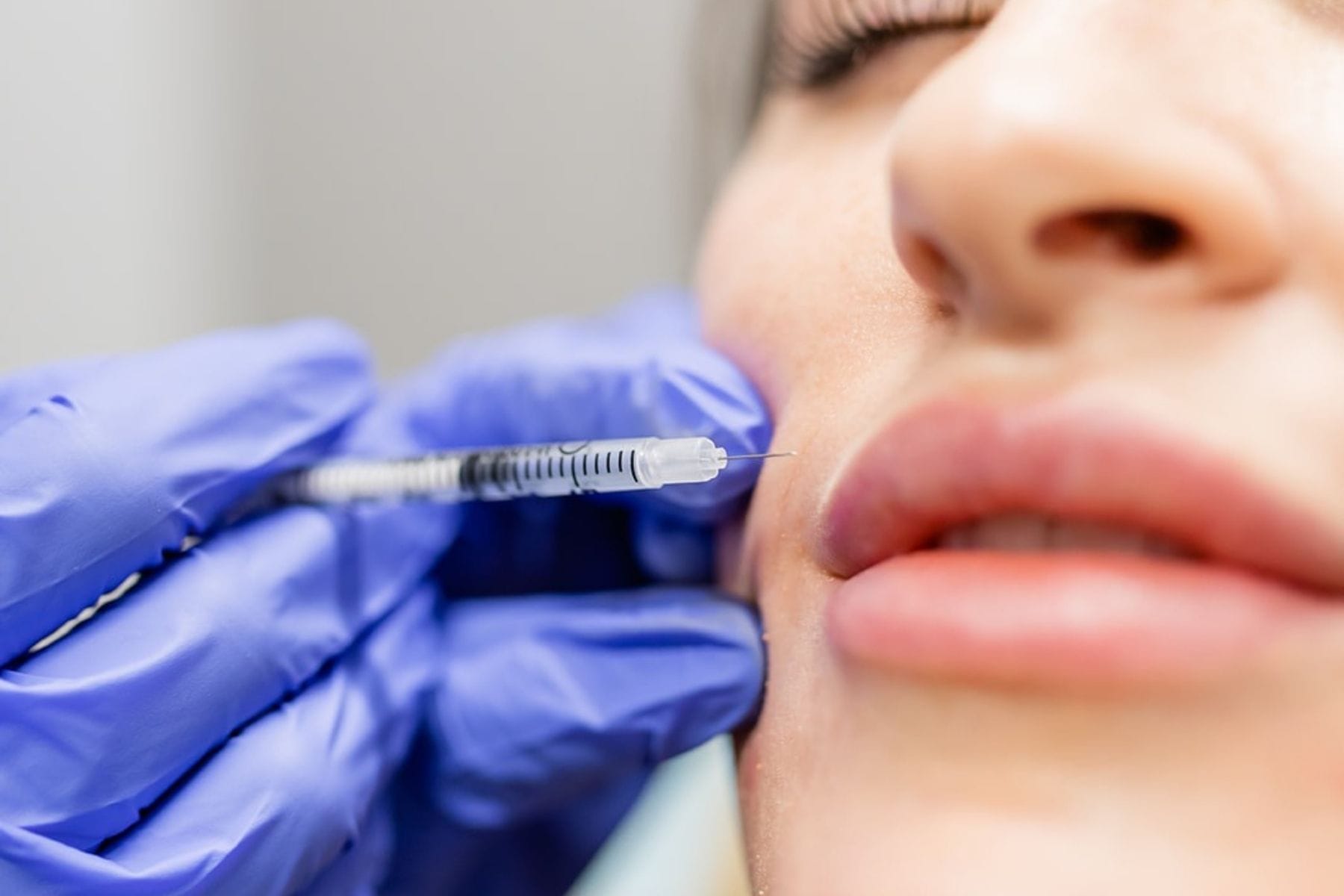
Permanent lip fillers may look appealing at first, but the long-term risks can far outweigh the short-term results. Injectable silicone and other unregulated, long-lasting fillers have been known to cause chronic inflammation, migration, deformity, and complications that are extremely difficult, or impossible, to fully correct.
If you’re considering lip or facial injections, understanding the difference between safe, FDA-approved temporary fillers and dangerous permanent products is critical for protecting both your appearance and your health.
What Are Permanent Silicone Fillers?
Injectable silicone is a free-flowing substance placed into soft tissue to add volume. Unlike solid silicone implants used in certain surgical procedures, such as breast surgery, injectable silicone can be injected diffusely into the tissue.
Important to know:
- Injectable silicone is not FDA-approved for cosmetic use in the lips or face
- Once injected, it cannot be dissolved or safely reversed
- Over time, it may migrate from the original injection site
Despite this, some providers still use silicone or silicone-like substances illegally or without full patient disclosure.
Other Semi-Permanent or Permanent Fillers to Avoid
In addition to silicone, there are other permanent or semi-permanent fillers that may be unregulated or FDA-approved for other indications that are marketed as “long-lasting” or “permanent alternatives” to hyaluronic acid (HA). These products may be:
- Administered in non-medical settings
- Poorly labeled or misrepresented
- Injected without the patients fully understanding what’s being used
Many patients only discover years later that they received a permanent filler when complications arise, and the product cannot be dissolved.
Why Permanent Fillers Are So Risky
Permanent fillers carry serious, lifelong risks:
No Reversal Options
Hyaluronic acid fillers can be dissolved with hyaluronidase. Silicone and permanent fillers have no antidote.
Migration & Facial Deformity
Free-flowing materials can shift over time, causing:
- Lumps and nodules
- Distorted lip shape
- Asymmetry and altered facial expression
Chronic Inflammation
The body may treat the filler as a foreign object, triggering:
- Granulomas
- Redness and tenderness
- Persistent swelling and irritation
Delayed Complications
Problems may appear years or even decades later, long after the initial injections seemed “successful.”
Extremely Difficult Removal
Because silicone disperses into the surrounding tissue:
- Complete removal is rarely possible
- Surgery often focuses only on symptomatic areas
- Full removal could cause significant tissue damage
Permanent Fillers vs. Hyaluronic Acid (HA) Fillers
FDA-approved hyaluronic acid fillers—such as Juvederm, Restylane, Versa, and RHA—are the gold standard for lip augmentation.
Why HA Fillers Are Safer:
- FDA-approved for cosmetic use
- Temporary and fully reversible
- Predictable results
- Can be adjusted or dissolved if needed
Advanced diagnostic tools like ultrasound or MRI can often distinguish HA fillers from silicone or other permanent substances, helping guide safe treatment decisions.
Red Flags to Avoid Dangerous Filler Injections
Protect yourself by watching for these warning signs:
- Prices that seem too good to be true
- Non-medical or “pop-up” injection settings
- Providers who refuse to show product packaging
- Lack of medical credentials or injector training
A qualified injector should always be transparent about what product is being used and why.
Signs You May Have Permanent or Problematic Filler
You may be dealing with a permanent filler if you experience:
- Lumps or firm nodules in the lips or face
- Gradual changes in contour or symmetry
- Recurrent redness or inflammation
- Pain while chewing or frequent lip biting
- Failed attempts to dissolve the filler
What to Do If You Suspect Permanent Filler
If you think you may have silicone or another permanent filler, early evaluation matters.
Recommended steps:
- See a provider experienced in filler complications
- Obtain diagnostic imaging (ultrasound, MRI, or biopsy if needed)
- Discuss treatment options, which may include:
- Medical management of inflammation
- Targeted surgical removal
- Ongoing monitoring
Complete removal is rarely possible, so care must be precise and expert-led.
Case Example: When Silicone Causes Late Complications
One patient received silicone injections over 20 years ago and remained symptom-free for decades. Recently, she developed chronic inflammation and a visible inner-lip outgrowth. Accidental biting and irritation worsened the condition, ultimately requiring surgical intervention to relieve symptoms and restore comfort.
Final Recommendations from Our Expert Providers
Permanent injectable fillers have no place in the lips or face. If you want full, more defined lips, choose FDA-approved hyaluronic acid fillers administered by highly trained medical professionals in a regulated clinical setting.
At Integrated Aesthetics, lip injections are performed by expert providers Dr. Young Cho and Dr. Melissa Chiang, both known for their advanced injector training, anatomical expertise, and commitment to patient safety. Our team prioritizes natural-looking results, reversibility, and long-term facial health.
Ready to Choose Safe, Expert Lip Filler Treatment?
If you’re considering lip filler or concerned about previous injections, don’t guess. Get expert guidance from providers who specialize in both aesthetic results and complication management.
Schedule a consultation at Integrated Aesthetics today to meet with Dr. Young Cho or Dr. Melissa Chiang and receive a personalized, safety-first treatment plan you can trust.
Your face deserves expertise—not shortcuts.