Procedure at a Glance
| Surgical Metric | Patient Case Specifications |
|---|---|
| Patient Profile | 61-Year-Old Female | Retired Firefighter | Spring, TX Local |
| Anatomical Concerns | Severe structural laxity in the midface, lower face, and neck; deep, etched-in wrinkles; heavy jowling; and environmental damage from heat, chemical vapor, and smoke exposure. |
| Surgical Procedure | Extended Facelift (Comprehensive lower face, midface, and deep structural neck lift) |
| Anatomical Approach | Extended SMAS (Superficial Musculoaponeurotic System) release, deep retaining ligament dissection, and muscular suspension. |
| Anesthesia & Facility | General Anesthesia | Performed in our state-of-the-art, accredited surgical suite in Spring, TX. |
| Recovery Timeline | Surgical swelling and bruising peaked at 7–10 days; returned to normal social and light professional routines at 2 weeks; final natural results achieved at 2 months. |
Environmental factors can significantly accelerate the natural facial aging process. For individuals exposed to harsh conditions, such as extreme heat, toxic chemicals, and smoke, the structural components of the skin can break down prematurely. This case study details a surgical facial rejuvenation demonstrating how an extended facelift can restore definition and reverse severe environmental damage.
At Integrated Aesthetics, we utilize our 5Rs Framework to Facial Rejuvenation to address aging at every layer. In this clinical review, I detail how I used R4 (Reposition the Tissue) to restore youthful facial structure for a 61-year-old retired female firefighter from the Spring, TX area.
Patient Presentation: Assessing Environmental Aging and Loss of Support
This 61-year-old female patient came to our practice seeking options for severe facial aging. As a career firefighter, her face had been exposed to extreme heat, smoke, and environmental toxins for decades. These factors, combined with a history of smoking, caused significant elastosis, breaking down her skin’s elasticity and causing deep, etched-in lines.
Upon evaluation, her facial structure showed several complex concerns:
- Severe Midface Sagging: Total descent of the cheek fat pads, which deepened her nasolabial folds and flattened her midface.
- Pronounced Jowling: Loose tissue along the lower jawline that completely obscured her natural jaw structure.
- Severe Neck Laxity: Significant sagging of the neck skin and muscles, creating vertical bands and a heavy, aged profile.
Because her concerns involved deep structural changes, non-surgical options would not provide the comprehensive result she desired. She required an extended surgical lift to address the underlying muscle and tissue layers.
The Surgical Plan: Extended Deep Plane SMAS Dissection and Muscular Suspension
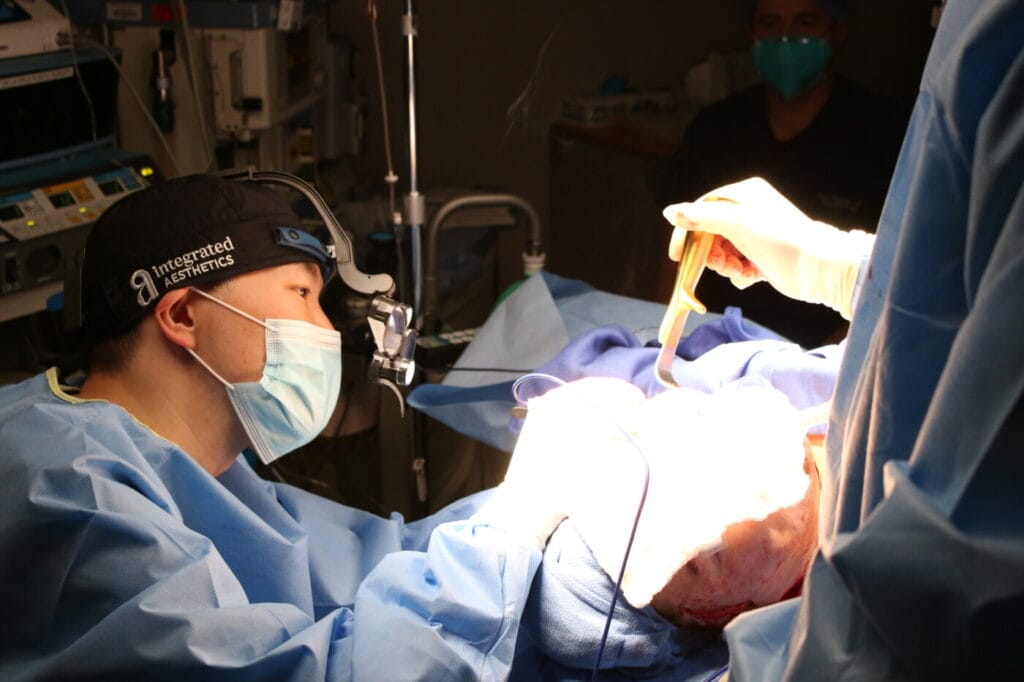
To safely lift and reshape tissues damaged by heat and smoking, I performed an extended facelift and structural neck lift. This technique focuses on repositioning the underlying deep tissue structures rather than simply pulling the surface skin, avoiding a tight or unnatural appearance.
Anatomical Details of the Surgical Procedure
- Extended Deep Plane SMAS Release: I extended the surgical dissection deep beneath the Superficial Musculoaponeurotic System (SMAS) layer. Releasing the retaining ligaments in the midface allowed me to lift the deep cheek fat pads back to their natural, youthful position.
- Lower Face and Mandibular Definition: The lax muscular framework along the lower jaw was lifted and secured, removing jowling and creating a smooth, defined jawline.
- Deep Structural Neck Lift: I tightened the platysma muscle and removed excess subplatysmal fat, flattening vertical bands and defining the angle between the chin and the neck.
- Skin Management: After addressing the deep structural layers, the excess, environmentally damaged skin was trimmed away and closed with precise, low-tension techniques to ensure minimal scarring.
Clinical Results: A Natural, Restored Appearance
Despite significant pre-existing skin damage from environmental exposure, repositioning the deep muscle layers allowed the patient to heal with natural, long-lasting facial contours. Her final outcomes are documented below:
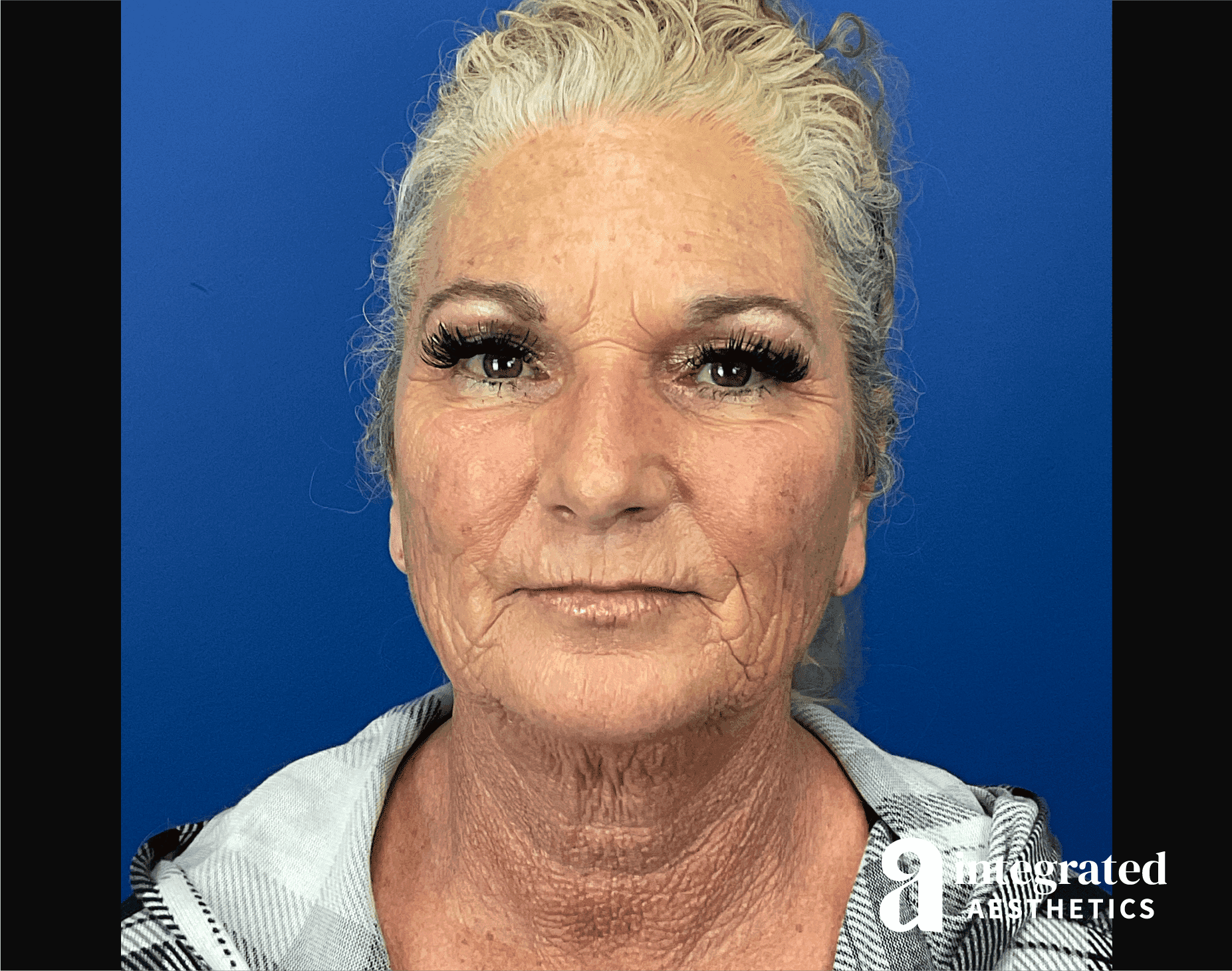
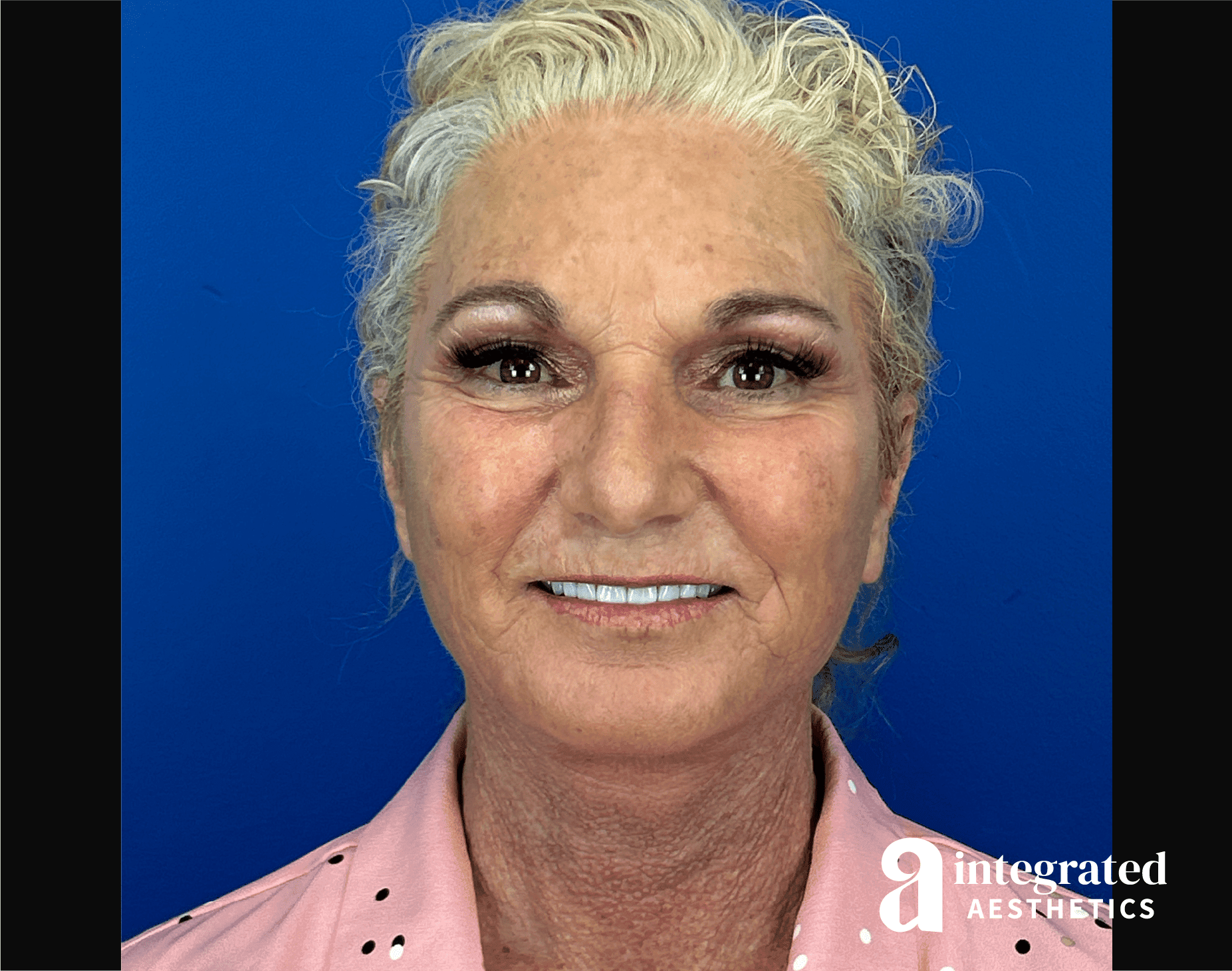
To view the official clinical photos showing this patient’s results at two months post-procedure, visit our live Integrated Aesthetics Surgical Gallery.
Want to Explore Our Complete Surgical Framework?
This case study demonstrates the power of deep-tissue facial repositioning. To learn more about our surgical options, recovery timelines, and patient safety protocols at Integrated Aesthetics, read our comprehensive guide:
→ The Complete Guide to Advanced Facelift and Neck Lift Procedures in North Houston
Frequently Asked Questions
How does smoking affect facelift surgery and recovery?
Smoking constricts blood vessels, which reduces oxygen delivery to healing tissues and increases the risk of skin healing complications or noticeable scarring. I require all patients to stop smoking completely for a specific period before and after surgery to ensure safe healing and optimal results.
What is the benefit of an extended facelift compared to a traditional mini lift?
A mini lift only addresses superficial skin laxity along the lower jawline. An extended facelift repositions the deep muscular layers (SMAS) of both the midface and neck, providing a more comprehensive, natural-looking lift that addresses deep wrinkles and severe sagging.
Where are the surgical incisions placed for an extended facelift?
Incisions are carefully hidden along the natural contours of the ear structure, extending up into the temple hairline and around the back of the ear lobule. This precise placement ensures that scars fade into natural skin creases and remain well-concealed.