Hair is constantly renewing itself through a natural cycle of growth and rest. At any given moment, thousands of tiny hair follicles on your scalp are moving through this rhythm; some are actively growing, some are transitioning, and others are resting before they naturally shed.
In a healthy scalp, the vast majority of your hair stays in the active growth phase. However, when patients visit our clinics in Spring and The Woodlands experiencing hair thinning, that balance has thrown itself out of whack. Fewer hairs stay in the growth phase, more enter the resting phase too early, and over time, the entire cycle shortens. The result? Hair that looks and feels progressively thinner, shorter, and less dense.
At Integrated Aesthetics, when local patients visit me dealing with hair thinning or sudden shedding, they want to know if those expensive home gadgets actually live up to the online marketing. As a board-certified dermatologist, my goal is to break down the real science so you can separate proven treatments from internet hype.
Explore Your Options: If you are noticing a widening part line or more “scalp show” during your morning routine, take a closer look at our personalized approaches to Female Hair Loss and custom plans for Male Hair Loss.
1. How Does Red Light Therapy Stimulate Hair Regrowth?
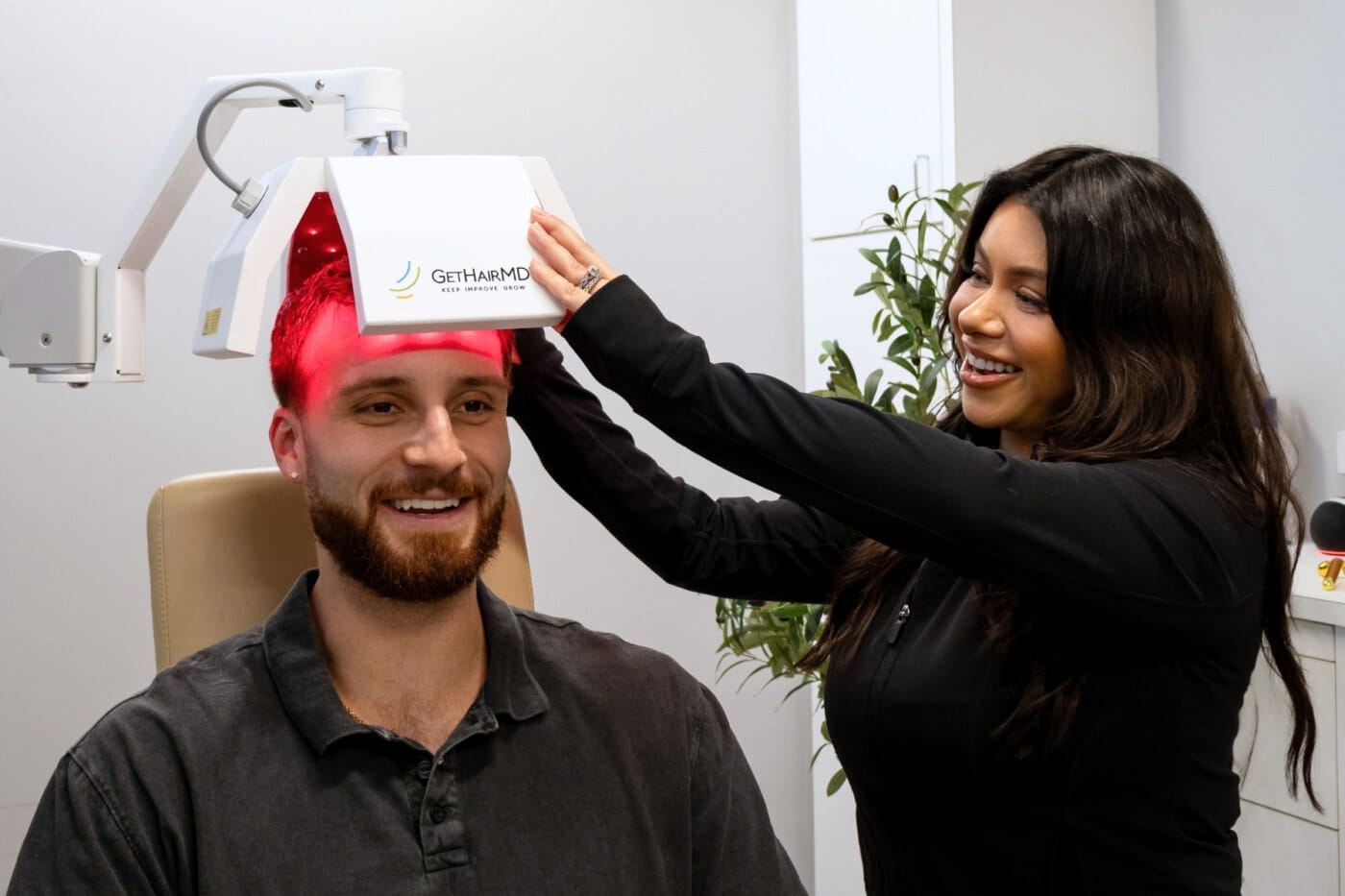
Red light therapy, which doctors call photobiomodulation (using light to stimulate cells), isn’t a new gimmick. Its origins date back to the 1960s when scientists accidentally discovered that low-level red light caused hair to grow back rapidly by stimulating tissue at a cellular level.
Rather than creating brand-new hair follicles where they don’t exist, red light supports the ones you already have. Think of it like charging a battery: specific wavelengths of light stimulate the “powerhouses” of your cells (the mitochondria). This boost in cellular energy jumpstarts sluggish or resting hair roots, waking them up and pushing them back into the active growth phase while increasing healthy blood flow to your scalp.
As a dermatologist, I look closely at how these treatments interact with your skin. This gentle, non-invasive stimulation is incredibly valuable for soothing a sensitive scalp and creating the ideal environment for your hair to thrive.
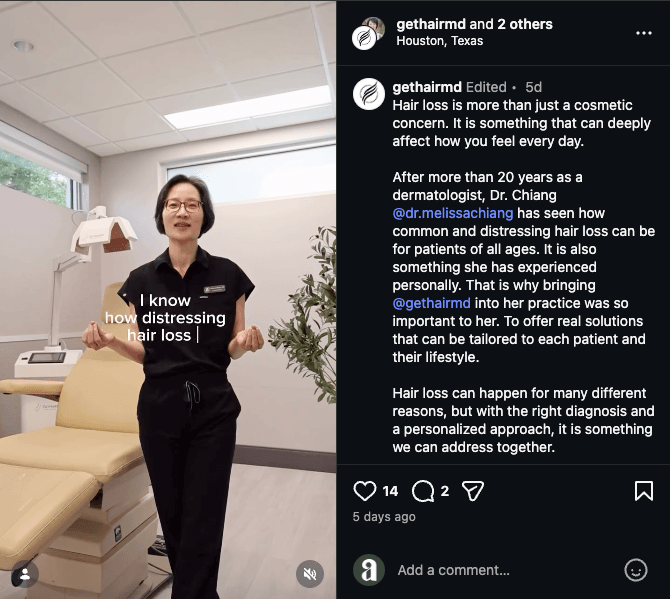
A Note from Dr. Melissa Chiang: “Many patients come to our Spring office feeling completely overwhelmed by the sheer volume of hair loss products online. What I tell them is simple: red light therapy is grounded in real science, but it isn’t a standalone miracle. It works best as an accelerator when paired with medical treatments that fix the root causes of thinning.”
2. The Catch: Why Cheap Amazon Devices Often Fail
If the science is proven, why do so many people buy a red light cap online and see absolutely zero results?
It all comes down to proper dosing. In the medical world, we know that light therapy follows a very specific rule called a biphasic dose response. In plain English, that means the amount of energy you get matters immensely:
| Energy Level | Result |
| Too Low Energy | No Effect (Under-stimulation) |
| Optimal Window | Maximum Repair and Growth (The Sweet Spot) |
| Too High Energy | Benefits Blocked or Stunted Growth (Overstimulation) |
The Goldilocks Rule of Light: Too little light energy produces no changes at all, but too much energy can actually overload the cells and stunt your hair growth. There is a very specific therapeutic “sweet spot,” and getting results depends entirely on staying inside it.
The market is completely flooded with caps, helmets, and combs. They differ wildly in their light wavelength and power, yet they are marketed the same way. The question shouldn’t be “Does red light work?” It should be “Is this specific device actually delivering the exact energy my scalp needs?”
3. What to Expect: Timelines and the “Shedding” Anxiety
Two of the most frequent questions I hear in our offices along the I-45 corridor are: When will I see results? And will it make my hair fall out first?
First, patience is mandatory. Because human hair only grows at an average rate of about half an inch per month, seeing structural changes takes time.
- Months 1–2: You will typically see your daily shedding slow down and stabilize.
- Months 3–4: Existing hairs begin to grow in thicker and stronger, which we can easily track under clinical magnification.
- Months 6+: Visible improvements in overall scalp coverage and hair thickness become noticeable to the naked eye.
Does Red Light Therapy Cause Initial Shedding?
Yes, and while it feels scary, it is actually a great sign! When red light wakes up a dormant, resting hair root, it forces that follicle to quickly drop its old, thin, weak hair shaft to make room for a brand-new, much thicker strand. This temporary shift usually happens in the first few weeks and clears up quickly.
4. Maximizing Your Results with a Complete Strategy
In my practice, I don’t treat red light therapy as a casual, standalone fix. Instead, I integrate highly calibrated, medical-grade protocols into a comprehensive, multi-modality strategy. Clinical data show that light therapy acts as a powerful multiplier when paired with traditional treatments.
Through our physician-led GetHairMD Hair Restoration Program, we pair advanced, non-surgical clinical light systems with prescription topical formulas, specialized hair products, and precise digital scalp tracking so we can watch your progress in real-time.
Depending on your specific goals and the root cause of your hair thinning, we often combine red-light stimulation with:
- Platelet-Rich Fibrin (PRF) Therapies: Using your body’s own natural growth factors, injected precisely into the scalp to feed fading roots.
- Customized Medical Topicals: Compounded prescription formulas tailored directly to your lifestyle and hair type.
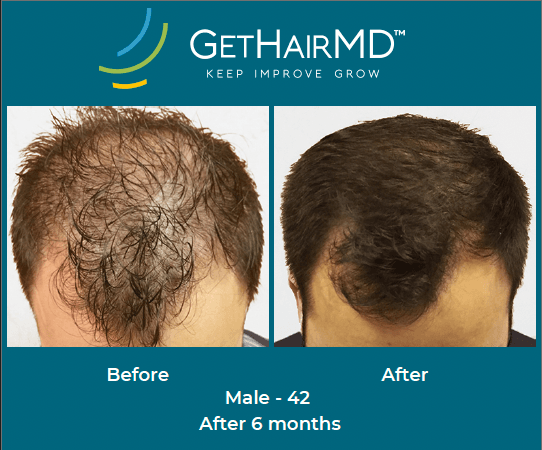
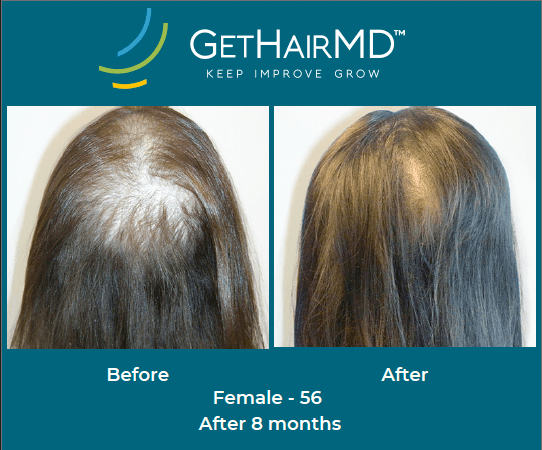
*Images represent clinical outcomes achieved using the GetHairMD™ protocol across corporate provider networks. Individual results vary based on the customized, comprehensive restoration plans managed under the board-certified supervision of Dr. Melissa Chiang at our Spring, TX location.
When used thoughtfully with medical-grade guidance, red light is a comfortable, proven tool that visibly improves hair density. The magic isn’t just in the light, but also in the complete plan.
Let’s Find Out What Your Hair Needs
Every scalp is unique, and treating hair loss successfully means finding the exact roadmap that works for your biology. If you’re tired of guessing with over-the-counter products and want a professional evaluation, let’s look at your scalp together.
Meet Dr. Melissa Chiang, MD, FAAD
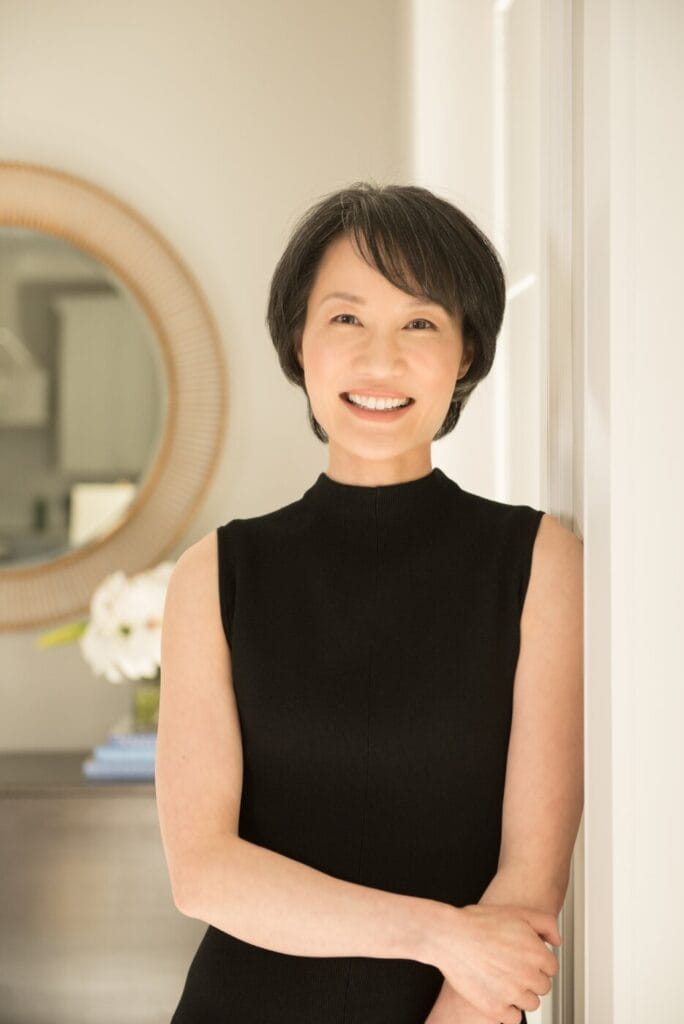
Dr. Melissa Chiang is a dual board-certified dermatologist and fellowship-trained dermatopathologist who brings a rare level of microscopic diagnostic expertise to hair and scalp health. Serving patients across Spring and The Woodlands, she blends advanced medical dermatology with a compassionate, patient-centered approach. Dr. Chiang specializes in uncovering the root biological causes of hair thinning, designing custom, non-surgical restoration protocols that deliver healthy, sustainable, and reliable results.