Weight‑loss medications like Ozempic, Wegovy, and other GLP‑1 receptor agonists have transformed countless lives. Patients are experiencing improved metabolic health, reduced appetite, and significant weight loss.
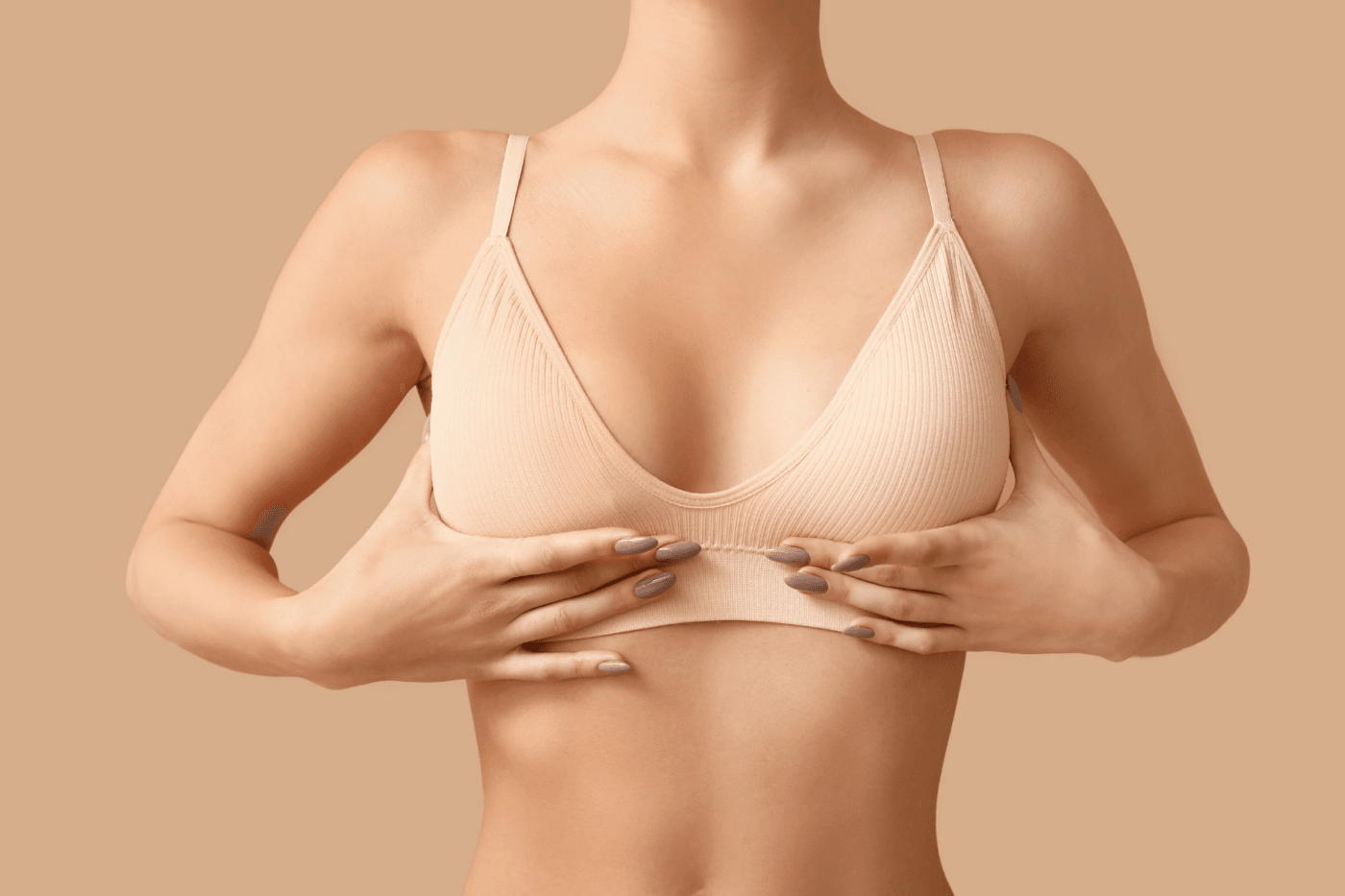
However, with major weight loss comes major body changes, and one of the newest conversations in aesthetics is something many are calling “Ozempic Breasts.” This term describes the volume loss, sagging, and skin laxity that can appear in the breasts after rapid or substantial weight loss.
As a result, more women are choosing to downsize their breast implants, revise previous augmentations, or pursue breast lift procedures to restore a natural, balanced shape.
Let’s break down what’s happening and how modern aesthetic surgery can help.
What Are GLP-1s?
GLP‑1 receptor agonists are medications originally developed to treat Type 2 diabetes. Today, they’re widely prescribed for weight loss due to their ability to:
- Reduce appetite
- Slow gastric emptying
- Improve insulin sensitivity
- Support long‑term weight management
Popular GLP‑1 medications include Ozempic, Wegovy, Mounjaro, and Zepbound. While the benefits are significant, the rapid fat loss they trigger can lead to changes in areas of the body that naturally store fat–including the breasts.
What Are “Ozempic Breasts”?
“Ozempic Breasts” is a non-medical but increasingly popular term describing breast changes after GLP-1-related weight loss. These changes can include:
- Loss of upper‑pole fullness
- Deflated or “empty” appearance
- Skin laxity
- Drooping or sagging
- Visible implant edges in patients with previous augmentation
Since the breasts are made up of a large amount of fatty tissue, rapid weight loss can dramatically alter their shape and volume.
What Causes This Issue?
The primary cause is fat loss, which GLP-1 medications accelerate. When the breast tissue shrinks faster than the skin can contract, the result is:
- Deflation: The breast envelope becomes looser.
- Loss of support: Ligaments and skin stretch and thin.
- Implant visibility: Existing implants may appear too large or sit unnaturally.
Patients who previously loved their implant size may now feel their breasts look disproportionate to their new, slimmer frame.
Why Are More Women Downsizing Their Breast Implants?
There has been a noticeable shift toward smaller, more natural‑looking breast augmentation results, and GLP‑1 weight loss has played a part in this trend.
Women are choosing to downsize because:
- Their body proportions have changed after weight loss.
- Larger implants may now feel too heavy or out of balance.
- They want a more athletic, natural silhouette.
- Skin laxity makes larger implants harder to support.
- They prefer a subtle enhancement rather than a dramatic look.
This shift reflects a broader aesthetic movement toward refinement, proportion, and natural beauty.
How Can We Address Ozempic Breasts?
The right solution depends on your anatomy, goals, and the degree of volume loss. Common treatment options include:
1. Breast Implant Downsizing
Switching to smaller implants or complete removal can restore harmony to your new body shape. Downsizing often pairs well with a breast lift to correct sagging.
2. Breast Lift (Mastopexy)
A lift reshapes the breast, removes excess skin, and repositions the nipple for a youthful, elevated look. This is especially important after significant weight loss.
3. Implant Exchange with Breast Lift
For patients who want to maintain volume but improve shape, exchanging older implants for newer, more natural‑feeling options can help.
4. Fat Grafting
Fat transfer can add subtle volume and improve contour, especially when combined with a lift or implant revision.
5. Combination Procedures
Many patients benefit from a breast lift and downsizing, or a lift and implant exchange to achieve the most natural, long‑lasting results.
You Don’t Have to Live With “Ozempic Breasts”
GLP‑1 medications have empowered so many people to reclaim their health—but your aesthetic confidence matters, too. If you’re experiencing breast changes after weight loss, you’re not alone, and you have options.
At Integrated Aesthetics, Dr. Young Cho specializes in breast implant revision, downsizing, and post‑weight‑loss breast rejuvenation. With a personalized, artistic approach, he can help you achieve a natural, balanced, and confident result that fits your new body.
Ready to Restore Your Shape?
Schedule a consultation with Dr. Young Cho at Integrated Aesthetics to explore your options and create a treatment plan tailored to your goals.