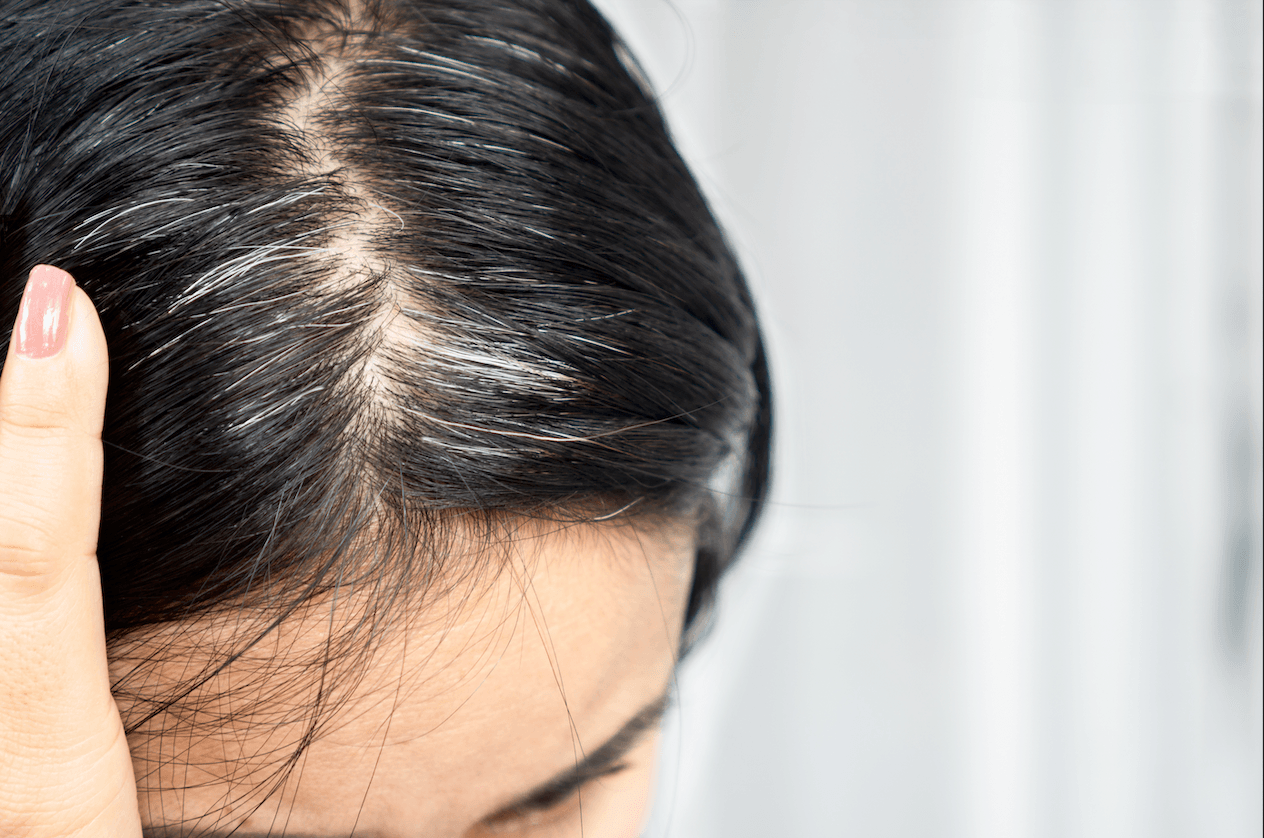
Noticing your hair thinning or shedding more than usual in your 30s, 40s, or 50s can feel unsettling, but it’s also incredibly common. During these years, hormonal changes, genetics, stress, and lifestyle habits all begin to play a bigger role in hair health. Many adults also start to see the cumulative effects of years of styling, coloring, or environmental exposure.
The good news? Hair loss at this stage is often manageable, and with the right treatments, many people can slow, stop, or even reverse thinning. Below, we break down the most common causes of hair loss in your 30s–50s, what symptoms to look for, and how Integrated Aesthetics can help you restore fuller, healthier hair.
Understanding Hair Loss in Your 30s–50s
Hair loss in this age range can be influenced by a combination of biological and lifestyle factors. While genetics remains the leading cause, other contributors become more prominent as we age.
Common Types of Hair Loss in Adults 30–50
Androgenetic Alopecia (Pattern Hair Loss)
The most common cause of hair thinning in both men and women. By age 50, up to half of adults experience some degree of pattern hair loss. Men often see recession and crown thinning, while women notice diffuse thinning and a widening part.
Hormonal Hair Loss
Hormonal shifts such as pregnancy, postpartum changes, thyroid disorders, and perimenopause or menopause can significantly impact hair density.
Alopecia Areata
An autoimmune condition that can appear or worsen in adulthood, causing patchy hair loss.
Telogen Effluvium
Triggered by stress, illness, surgery, or nutritional deficiencies, this condition causes sudden shedding that may last several months.
Traction Alopecia
Years of tight hairstyles, extensions, or heavy styling can lead to permanent follicle damage if not addressed early.
Lifestyle Factors That Influence Hair Loss in Your 30s–50s
As responsibilities grow, such as careers, families, and aging parents, so does stress. Combined with lifestyle habits, these factors can accelerate hair thinning.
Stress & Cortisol
Chronic stress increases cortisol levels, which can disrupt the hair growth cycle and trigger shedding.
Diet & Nutrient Deficiencies
Low iron, vitamin D, protein, and essential fatty acids can weaken hair and slow regrowth.
Medications
Certain medications, including those for blood pressure, depression, and hormonal regulation, may contribute to hair thinning.
Hair Care Practices
Years of coloring, heat styling, chemical treatments, and tight hairstyles can weaken follicles and lead to breakage or thinning.
What Hair Loss Looks Like in Men
Men often notice:
- Receding hairline progressing into an “M” or “U” shape
- Thinning at the crown
- Widening bald spot
- Overall reduced density
- Increased shedding in the shower or during grooming
By their 40s and 50s, many men see more advanced stages of the Norwood-Hamilton scale.
What Hair Loss Looks Like in Women
Women typically experience:
- Diffuse thinning across the top of the scalp
- A widening part
- Reduced ponytail thickness
- More visible scalp in bright light
- Texture changes (hair becoming finer or more brittle)
These changes often follow the Ludwig scale for female pattern hair loss.
What You Can Do About Hair Loss in Your 30s–50s
The earlier you take action, the better your long-term results. At Integrated Aesthetics, we offer advanced, medically guided solutions designed to treat hair loss at every stage.
NeoGraft® Hair Restoration
A minimally invasive FUE transplant procedure that restores natural density without linear scarring. Ideal for men and women with moderate to advanced thinning.
PRF (Platelet-Rich Fibrin) Injections
PRF is a regenerative treatment that uses your body’s own growth factors to stimulate follicles, improve thickness, and support healthier regrowth.
GetHairMD™ Suite of Solutions
A comprehensive program of non-surgical hair restoration solutions that may include:
- Prescription-strength topical treatments
- Oral medications (when appropriate)
- Low-level laser therapy
- Scalp health optimization
- Nutritional support
This multi‑layered approach addresses both the symptoms and root causes of hair loss.
Addressing Your Hair Loss at Integrated Aesthetics
Hair loss can feel overwhelming, but you don’t have to navigate it alone. At Integrated Aesthetics, we combine advanced diagnostics with personalized treatment plans to help you understand why you’re losing hair and how to restore it.
Start With a HairMetrix™ Diagnostic Scan
This non-invasive imaging tool evaluates:
- Follicle density
- Hair diameter
- Growth patterns
- Scalp health
It gives you a clear baseline and helps us tailor the most effective treatment plan for your needs.
Take the First Step Toward Healthier, Fuller Hair
Schedule a consultation at Integrated Aesthetics to begin your customized hair restoration journey and receive your HairMetrix™ diagnostic scan.